Tokenized Real World Assets: Bridging Traditional Finance with Blockchain Innovation
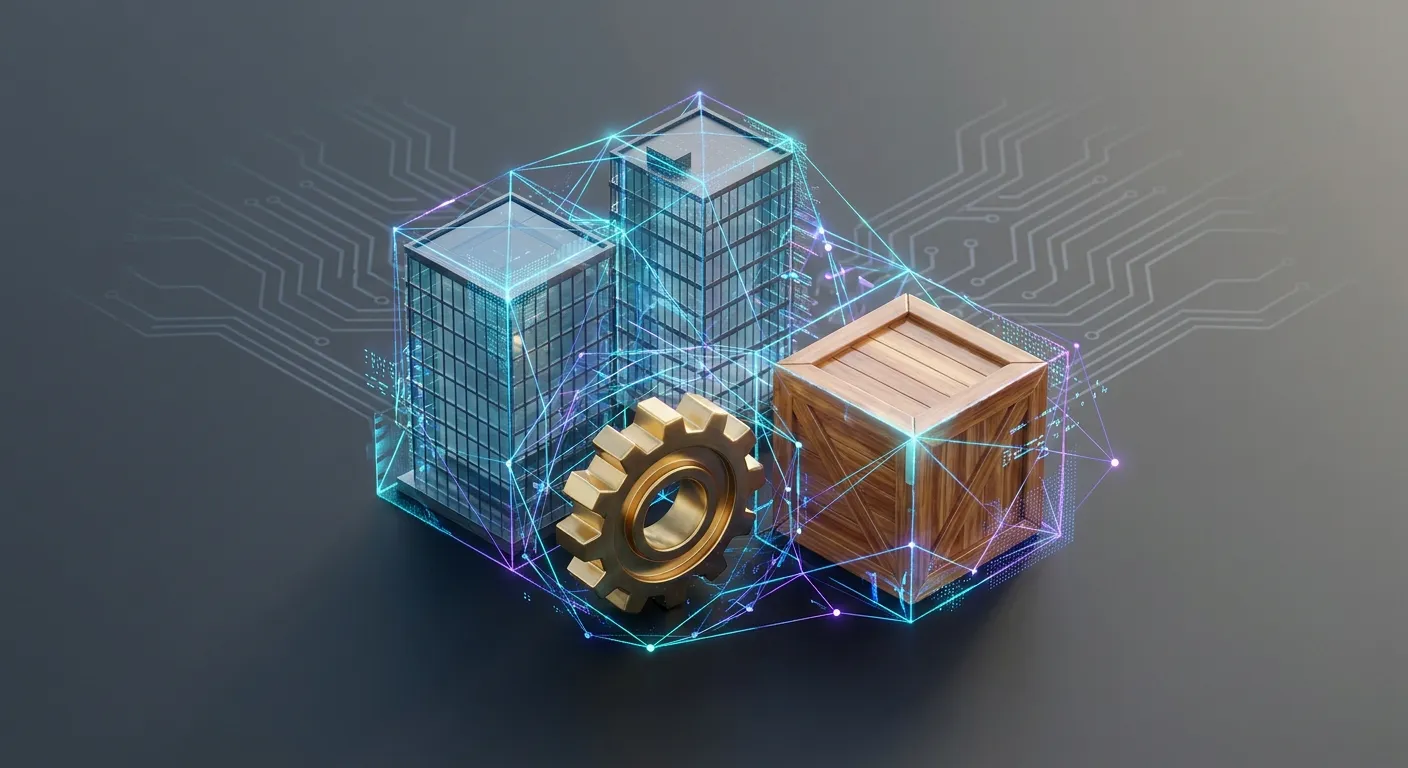
The emergence of tokenized real world assets marks a significant inflection point in the digital economy, bridging traditional finance with blockchain innovation. For crypto investors and enthusiasts, understanding this rapidly evolving sector is crucial for identifying new opportunities and staying ahead of market developments. The shift from speculative interest to foundational infrastructure, particularly between 2025 and 2026, has underscored the importance of clear, actionable insights.
The Rise of Tokenization: From Pilots to Production
Asset tokenization, the process of converting rights to an asset into a digital token on a blockchain, has moved beyond theoretical discussions and pilot projects. By the first half of 2025, tokenized real-world assets (RWAs) had already surged by over 260%, reaching approximately $23 billion. This substantial growth indicates a maturation of the underlying technology and a growing acceptance among institutions and sophisticated investors. Furthermore, this trend highlights a broader industry shift.
Historically, assets like real estate, government bonds, and private credit have been illiquid and difficult to fractionalize. Blockchain technology fundamentally changes this by enabling fractional ownership, instant settlement, and enhanced transparency. This is particularly attractive for a market that has seen its total capitalization surpass $4 trillion by 2025, with Bitcoin reaching a new high of $126,000, driven by a broader maturation of the industry. Consequently, new investment avenues are opening.
Key Categories of Tokenized Real World Assets
The RWA sector is diverse, encompassing various asset classes:
- Tokenized Government Bonds: These offer a digital representation of traditional sovereign debt, providing investors with regulated, on-chain exposure to stable fixed-income assets. This trend aligns with the increasing institutional preference for compliant, regulated market access, as highlighted by a 2025 Coinbase and EY-Parthenon survey indicating 62% of institutions favoring registered vehicles over spot holdings.
- On-Chain Money Market Funds: These provide a blockchain-based alternative to traditional money market funds, offering liquidity and yield opportunities within the digital asset ecosystem. They represent a significant step towards integrating mainstream financial products into decentralized finance (DeFi). For more insights, consider how RWA DeFi Integration Creates Confusion for Users.
- Tokenized Private Credit and Real Estate: By tokenizing these traditionally illiquid assets, investors gain access to fractional ownership and increased liquidity. This can democratize access to high-value assets that were once exclusive to institutional investors or high-net-worth individuals.
Why Tokenization Matters for Investors
1. Enhanced Liquidity: Tokenization breaks down large assets into smaller, tradable units, significantly improving liquidity. This means investors can buy or sell smaller portions of an asset more easily, reducing barriers to entry. Therefore, a broader range of investors can participate.
2. Increased Transparency: Blockchain’s immutable ledger provides a transparent record of ownership and transactions. This reduces fraud and increases trust among participants. Moreover, it simplifies auditing processes.
3. Fractional Ownership: High-value assets like real estate or fine art can be divided into smaller tokens, making them accessible to a wider pool of investors. This democratizes investment opportunities. Consequently, smaller investors can now participate in markets previously out of reach.
4. Reduced Costs: By eliminating intermediaries and streamlining processes, tokenization can lower transaction fees and administrative overhead. This makes investments more efficient. Therefore, the overall cost of ownership decreases.
5. Global Accessibility: Blockchain operates 24/7, allowing for global trading without geographical or time zone restrictions. This opens up new markets for investors worldwide. In addition, it enhances market efficiency.
The Core Mechanics of Asset Tokenization
The process of tokenizing an asset involves several key steps, each critical for ensuring the integrity and usability of the digital representation. Firstly, a legal framework must be established to define the ownership rights attached to the token. This often requires collaboration between legal experts and blockchain developers. Secondly, the physical asset undergoes a due diligence process to verify its existence, value, and legal ownership. This step ensures that the underlying asset is legitimate and securely held.
Next, a smart contract is developed on a chosen blockchain platform, such as Ethereum or Solana. This smart contract codifies the rules governing the token, including its issuance, transfer, and any associated rights or obligations. For instance, it might define dividend distribution for tokenized equities or rental income for tokenized real estate. Once the smart contract is deployed, the tokens are minted and distributed to investors. These tokens can then be traded on secondary markets, offering immediate liquidity. Importantly, the security and immutability of the blockchain ensure that ownership records are tamper-proof.
The underlying infrastructure supporting tokenized real world assets is constantly evolving. Advances in layer-2 scaling solutions are enhancing transaction speeds and reducing costs, making tokenization even more practical for high-frequency trading. Furthermore, interoperability protocols are allowing these assets to move seamlessly between different blockchain networks, expanding their reach and utility. These technological improvements are vital for the sustained growth of the sector.
Challenges and Regulatory Landscape for Tokenized Real World Assets
Despite its promise, the tokenization of real-world assets faces several challenges. Regulatory uncertainty remains a significant hurdle. Different jurisdictions have varying approaches to classifying and regulating digital assets, creating a fragmented legal landscape. This complexity can deter institutional investors who require clear compliance guidelines. For example, securities regulators are still defining how existing laws apply to tokenized securities, leading to a cautious approach from many financial institutions. Additionally, the technological infrastructure needs to continue maturing to handle the scale and security requirements of traditional finance.
Another challenge is the integration with existing financial systems. While blockchain offers advantages, bridging the gap between traditional banking and decentralized finance requires robust technological solutions and standardized protocols. Issues such as identity verification (KYC) and anti-money laundering (AML) compliance must be seamlessly integrated into tokenization platforms. Moreover, the legal enforceability of tokenized ownership rights across different jurisdictions is still being tested. Addressing these issues is crucial for the mainstream adoption of tokenized real world assets.
Furthermore, the custody of tokenized assets presents a unique set of considerations. While the tokens themselves reside on a blockchain, the underlying physical assets still require traditional custody and management. This dual custody model necessitates strong legal agreements and robust operational procedures to ensure investor protection. For instance, who is responsible for the maintenance of a tokenized property, or the interest payments on a tokenized bond? These questions require clear answers to build investor confidence. Consequently, a comprehensive ecosystem of service providers is emerging to address these needs.
Impact on Traditional Finance and Decentralized Finance (DeFi)
The impact of tokenized real world assets extends across both traditional finance (TradFi) and decentralized finance (DeFi). In TradFi, tokenization offers a pathway to increased efficiency, transparency, and liquidity for traditionally illiquid assets. Financial institutions are exploring how to use blockchain to streamline back-office operations, reduce settlement times, and create new investment products. For instance, major banks are piloting tokenized bond issuances to reduce costs and improve market access. This represents a significant modernization of existing financial processes.
For DeFi, tokenized real world assets bring stability and diversification. By collateralizing DeFi protocols with stable, regulated assets like tokenized government bonds, the overall risk profile of the DeFi ecosystem can be reduced. This allows for the creation of more robust and reliable lending and borrowing platforms. However, integrating RWAs into DeFi also introduces complexities, such as the need for oracles to feed off-chain data onto the blockchain and the management of real-world legal risks within a decentralized framework. Understanding the intricacies of RWA Yield Generation and Why Users Get Confused is important here.
The convergence of TradFi and DeFi through these assets is creating a hybrid financial system. This new system promises the best of both worlds: the regulatory compliance and stability of traditional finance combined with the efficiency and accessibility of blockchain. As this integration deepens, we expect to see innovative financial products and services emerge, fundamentally reshaping how value is created and exchanged. Indeed, this evolution is a key area of focus for Coin Best News.
Future Outlook and Investment Opportunities
The future of tokenized real world assets appears promising, with projections indicating substantial growth. Analysts predict the market for tokenized assets could reach trillions of dollars in the coming decade, driven by increasing institutional adoption and technological advancements. As financial institutions become more comfortable with blockchain technology, they will likely expand their offerings of tokenized products. This will create new investment avenues for both institutional and retail investors. Furthermore, the development of clearer regulatory frameworks will undoubtedly accelerate this growth.
For investors, identifying opportunities in this sector requires careful consideration. Investing in platforms that facilitate the tokenization of high-demand assets, such as real estate or private equity, could yield significant returns. Additionally, projects focusing on regulatory compliance and robust legal frameworks are likely to gain traction. Investors should also monitor the development of stablecoins backed by real-world assets, which offer a bridge between fiat currencies and the crypto economy. Institutional Crypto Investing Lessons for Wealth can offer further guidance.
The long-term vision involves a global, interconnected financial system where virtually any asset can be tokenized and traded efficiently on a blockchain. This would lead to unprecedented levels of liquidity, transparency, and accessibility, democratizing investment on a global scale. While challenges remain, the trajectory of tokenized real world assets suggests a transformative impact on the global financial landscape. Staying informed through resources like the CoinBestNews Blog is essential.
Conclusion
The journey of tokenized real world assets from a nascent concept to a rapidly expanding sector highlights the profound potential of blockchain technology to reshape traditional finance. By enabling fractional ownership, enhanced liquidity, and increased transparency, tokenization is democratizing access to a wide array of assets. While regulatory complexities and technological integration challenges persist, the clear trajectory points towards a future where digital and physical assets seamlessly intertwine. For investors, understanding these developments and identifying key opportunities is paramount to navigating this evolving landscape successfully. The continued growth of this sector will undoubtedly be a central theme for Coin Best News in the years to come.
FAQ
What are tokenized assets?
Tokenized assets are digital representations of real-world assets, such as real estate, gold, or government bonds, stored on a blockchain. These digital tokens represent ownership or fractional ownership of the underlying asset, allowing for easier transfer, fractionalization, and improved liquidity compared to traditional asset management.
How do real-world asset tokens benefit investors?
Real-world asset tokens offer several benefits to investors, including enhanced liquidity by enabling fractional ownership, increased transparency through blockchain’s immutable ledger, and global accessibility for trading. They can also reduce transaction costs by cutting out intermediaries and democratize access to high-value investments previously exclusive to institutional players.
What types of assets can be tokenized?
Virtually any asset with verifiable value and ownership can be tokenized. Common examples include real estate, government bonds, private credit, art, commodities like gold, and even intellectual property. The versatility of tokenization means new asset classes are constantly being explored for this digital transformation.
What are the main challenges for tokenization of assets?
The main challenges for the tokenization of assets include navigating a complex and fragmented regulatory landscape across different jurisdictions, ensuring seamless technological integration with existing financial systems, and establishing robust legal frameworks for the enforceability of tokenized ownership rights. Custody of the underlying physical assets also presents ongoing considerations.
Will tokenized assets replace traditional investments?
While tokenized assets offer significant advantages and are rapidly growing, they are more likely to complement rather than fully replace traditional investments in the near future. They represent an evolution, enhancing the efficiency and accessibility of financial markets by bridging traditional finance with blockchain technology, creating a hybrid financial ecosystem. The integration process is ongoing and will likely continue to expand investment options.