Tokenized Real-World Assets: The Next Frontier in Digital Finance
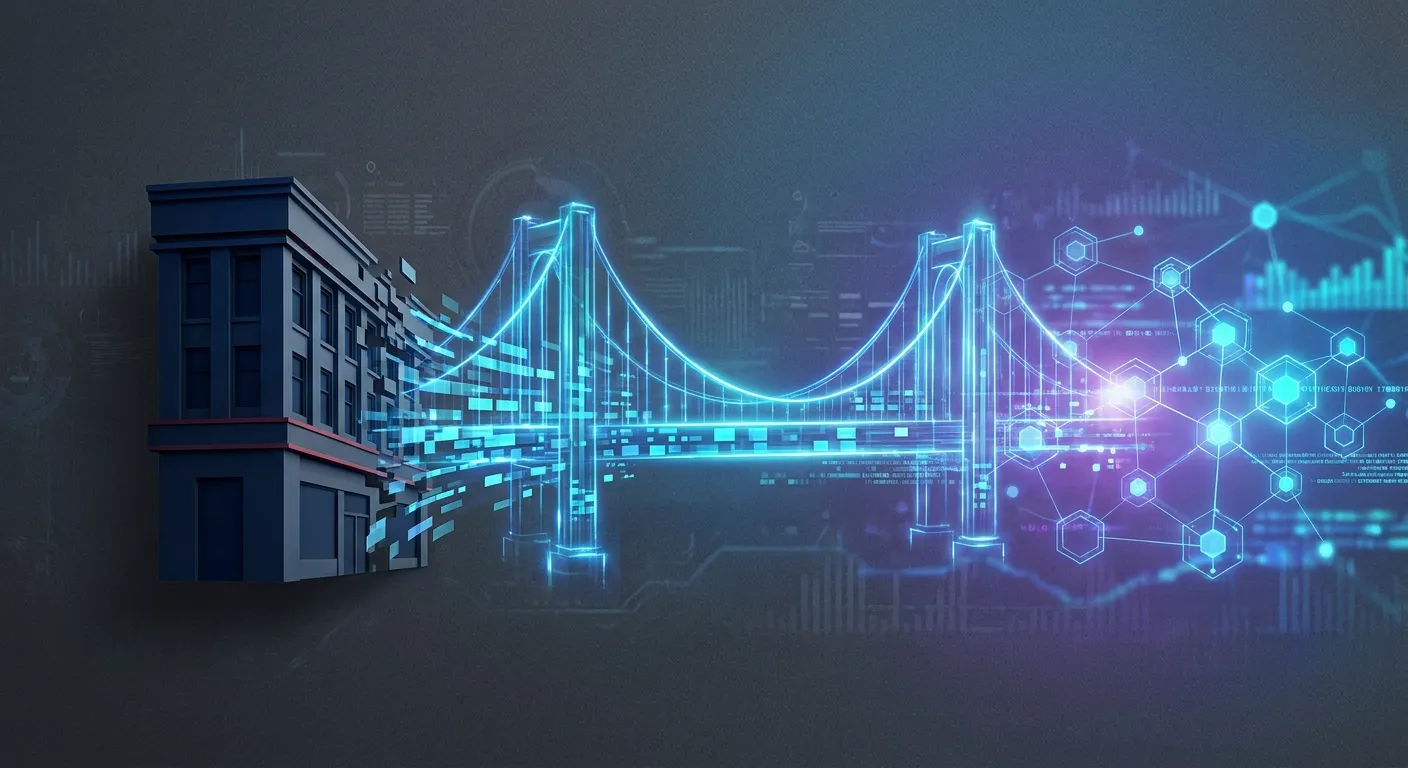
The digital asset landscape is constantly evolving, and one of the most transformative trends emerging is the tokenization of real-world assets (RWAs). This innovative process converts tangible and intangible assets—from real estate and government bonds to private credit and art—into digital tokens on a blockchain. The concept of tokenized real-world assets is no longer theoretical; it’s rapidly becoming a tangible force driving innovation in the digital finance landscape, moving decisively from experimental pilots to production-grade infrastructure.
Between 2025 and 2026, the cryptocurrency, blockchain, and digital asset industry witnessed significant maturation, characterized by increasing institutional adoption and advanced technological innovations. This period solidified the industry’s shift from speculative interest to foundational infrastructure, with RWA tokenization at the forefront of this evolution. Consequently, understanding this shift is crucial for investors and market observers.
Tokenized Real-World Assets: An Inflection Point
Asset tokenization is reaching a critical inflection point, signaling a profound shift in how value is created, exchanged, and managed. This transition is fueled by the inherent advantages of blockchain technology: enhanced liquidity, fractional ownership, transparent record-keeping, and streamlined transferability. What was once confined to niche experiments is now scaling into robust, production-ready systems that promise to deliver unprecedented efficiency and accessibility in global markets. Therefore, its impact extends across various sectors.
The $23 Billion Surge in RWAs
The market for tokenized RWAs has experienced an explosive growth trajectory. In the first half of 2025 alone, tokenized real-world assets surged by over 260%, reaching an approximate valuation of $23 billion. This remarkable expansion underscores the accelerating interest from both retail and institutional investors recognizing the value proposition of bringing traditional assets onto the blockchain. Notably, this growth is not merely speculative; it represents a fundamental re-architecture of asset ownership and investment. Furthermore, it highlights the increasing trust in blockchain-based financial instruments.
Diverse Applications: From Bonds to Real Estate
The versatility of RWA tokenization is evident in the breadth of assets being brought on-chain. For instance:
- Tokenized Government Bonds: Representing ownership in sovereign debt, these offer a stable, yield-bearing asset class with the added benefits of blockchain’s efficiency and fractionalization.
- On-Chain Money Market Funds: Digital representations of traditional money market funds provide investors with liquid, low-risk investment options accessible 24/7 on the blockchain.
- Tokenized Private Credit: This allows for more efficient syndication and distribution of private debt, opening up illiquid assets to a broader investor base.
- Real Estate: Fractional ownership of properties through tokens can democratize access to high-value real estate, making it more liquid and accessible to a wider range of investors.
How Tokenized Real-World Assets Function
The process of tokenizing assets involves several key steps. First, a real-world asset is identified, and its legal ownership is verified. Next, the asset is typically held by a special purpose vehicle (SPV) or a custodian, ensuring its legal separation and clear ownership. Subsequently, digital tokens representing fractional or full ownership of this asset are minted on a blockchain. Each token carries specific rights and obligations, mirroring those of the underlying asset. For example, a token representing a share in a property might entitle its holder to a portion of rental income or sale proceeds. This technical infrastructure is crucial for the integrity and functionality of the entire system.
Furthermore, smart contracts play a pivotal role in automating various aspects of asset management, such as dividend distribution, voting rights, or even the liquidation process. This automation significantly reduces administrative overhead and potential for human error. Therefore, the efficiency gains are substantial. The choice of blockchain platform also matters, with various networks offering different levels of security, scalability, and programmability. Ethereum and Solana are common choices, but other enterprise-grade blockchains are also gaining traction for these applications.
The Role of Oracles and Legal Frameworks
To ensure that the digital tokens accurately reflect the value and status of their physical counterparts, reliable data feeds known as oracles are essential. Oracles bridge the gap between off-chain real-world data and on-chain smart contracts, providing crucial information like asset valuations, interest rates, or legal status updates. Without robust oracles, the integrity of many tokenized real-world assets would be compromised. Simultaneously, a clear legal framework is paramount. Regulators worldwide are working to establish guidelines that address ownership, transferability, and dispute resolution for these digital representations of physical assets. This legal clarity is vital for mainstream adoption and investor protection, offering a pathway for institutional crypto investing lessons for wealth management.
Benefits of Tokenized Real-World Assets for Investors
The advantages of investing in tokenized assets are multifaceted, appealing to a broad spectrum of investors, from individuals to large institutions. One primary benefit is enhanced liquidity. Traditionally illiquid assets, such as real estate or private equity, can be bought and sold more easily on secondary markets when tokenized. This increased liquidity allows investors to enter and exit positions with greater flexibility, reducing the typical holding periods associated with these assets. Moreover, it opens up new avenues for capital formation and investment. For more insights on market dynamics, you can check out our Market Cap page.
Fractional Ownership and Accessibility
Fractional ownership is another significant advantage. High-value assets that were once only accessible to wealthy individuals or institutions can now be divided into smaller, affordable units. This democratization of investment means that a broader base of investors can participate in markets previously out of reach. For instance, an individual might own a fraction of a commercial building or a rare piece of art. Consequently, this lowers the barrier to entry and diversifies investment opportunities for many. This accessibility is a core tenet of the decentralized finance (DeFi) movement, though RWA DeFi integration can sometimes create confusion for users, as explored in another article.
Transparency and Efficiency
Blockchain technology inherently provides transparency and efficiency. Every transaction involving tokenized real-world assets is recorded on an immutable ledger, offering a clear and auditable history of ownership and transfers. This transparency reduces the need for intermediaries, thereby cutting down on costs and processing times. The removal of these intermediaries also minimizes the risk of fraud and errors, creating a more secure and trustworthy investment environment. Furthermore, the automation provided by smart contracts streamlines many processes that traditionally required extensive manual effort.
Challenges and Considerations for Tokenized Real-World Assets
Despite their significant potential, tokenized assets face several challenges that need careful consideration for widespread adoption. Regulatory uncertainty remains a major hurdle. Different jurisdictions have varying approaches to classifying and regulating digital assets, creating a complex legal landscape. Harmonizing these regulations globally is essential for fostering cross-border investment and ensuring legal certainty for all participants. Without clear rules, institutional investors may hesitate to fully commit to this emerging asset class.
Technological Infrastructure and Interoperability
The underlying technological infrastructure also presents challenges. While blockchain technology is robust, issues such as scalability, security, and interoperability between different blockchain networks need continuous improvement. For tokenized real-world assets to truly flourish, seamless interaction between various chains and legacy financial systems is crucial. Developing secure and efficient bridges between these ecosystems is a priority for developers and innovators. Furthermore, the complexity of managing digital wallets and private keys can be a barrier for less tech-savvy investors. Sometimes, RWA yield generation can also be confusing for users.
Valuation and Custody Risks
Accurate valuation of the underlying real-world assets is another critical aspect. Unlike publicly traded securities with readily available market prices, many RWAs require expert appraisal, which can be subjective and time-consuming. Ensuring that the token’s value accurately reflects the physical asset’s value is paramount for investor confidence. Moreover, the custody of the underlying physical asset and its digital representation must be robust. Legal and physical custody must be clearly defined and securely managed to prevent fraud or loss. This dual custody requirement adds layers of complexity that traditional assets do not always possess. For more information about CoinBestNews, feel free to visit our About Us page.
The Future of Tokenized Real-World Assets
The trajectory for tokenized real-world assets points towards continued expansion and integration into mainstream finance. Industry experts predict that the market capitalization for these assets could reach trillions of dollars in the coming years. This growth will likely be driven by increasing institutional participation, clearer regulatory frameworks, and technological advancements that enhance scalability and user experience. Consequently, we anticipate a future where a significant portion of global assets exists both in physical and tokenized forms.
Integration with Decentralized Finance (DeFi)
The synergy between tokenized real-world assets and decentralized finance (DeFi) is particularly promising. Integrating these assets into DeFi protocols can provide new sources of collateral, liquidity, and yield opportunities, bridging the gap between traditional finance and the crypto ecosystem. Imagine using a tokenized bond as collateral for a DeFi loan, or earning yield on a tokenized real estate asset through a decentralized lending platform. However, this integration requires careful consideration of risks and robust infrastructure to prevent systemic failures. Indeed, the potential for innovation is vast. You can find more articles on similar topics by visiting our Blog section.
Impact on Global Markets
Ultimately, the widespread adoption of tokenized assets could fundamentally reshape global financial markets. It promises to enhance efficiency, reduce costs, and democratize access to investment opportunities on an unprecedented scale. This transformation will likely impact everything from how individuals save and invest to how corporations raise capital and manage their balance sheets. While challenges remain, the clear benefits and ongoing innovation suggest that tokenized real-world assets are poised to become a cornerstone of the digital economy. As a result, staying informed about these developments is increasingly important for anyone involved in finance or technology.
As the sector matures, we expect to see more sophisticated financial products built upon this foundation, further blurring the lines between traditional and digital assets. This evolution will not only create new investment vehicles but also foster greater financial inclusion globally. The journey of these tokenized assets is just beginning, yet its potential to revolutionize finance is undeniable. The path forward will involve continuous collaboration between technologists, regulators, and financial institutions to build a robust and equitable digital asset ecosystem. This will ensure that the benefits of tokenized real-world assets are realized responsibly and sustainably, ultimately benefiting a wider global audience. For further reading, consider exploring insights on the future of financial assets from reputable sources such as the World Bank or the International Monetary Fund (IMF).
Conclusion
The rise of tokenized real-world assets represents a significant paradigm shift in the digital finance landscape. By converting tangible and intangible assets into digital tokens on a blockchain, this innovation is unlocking enhanced liquidity, fractional ownership, and unprecedented transparency. While regulatory complexities and technological hurdles persist, the rapid growth and diverse applications of these assets underscore their transformative potential. As institutions increasingly embrace tokenization and integration with DeFi deepens, tokenized real-world assets are set to redefine how value is stored, exchanged, and managed across global markets. Investors and market participants should continue to monitor this evolving sector closely to capitalize on the opportunities it presents.
FAQ
What exactly are real-world assets on a blockchain?
Real-world assets on a blockchain are physical or intangible assets, like real estate, art, or commodities, that have their ownership or value represented by digital tokens on a blockchain. This process, known as tokenization, allows for fractional ownership, increased liquidity, and transparent tracking.
How do asset tokens benefit investors?
Asset tokens offer several benefits, including increased liquidity for traditionally illiquid assets, fractional ownership, which democratizes access to high-value investments, and enhanced transparency through blockchain’s immutable ledger. They can also streamline transactions and reduce intermediary costs.
What types of assets can be tokenized?
A wide range of assets can be tokenized, including real estate (commercial and residential), government bonds, private credit, fine art, collectibles, intellectual property, and even commodities. Essentially, any asset with verifiable ownership and value can be represented digitally.
What are the main challenges for asset tokenization?
Key challenges include navigating regulatory uncertainties across different jurisdictions, ensuring robust technological infrastructure and interoperability between blockchain networks, and accurately valuing the underlying physical assets. Secure custody of both the physical and digital asset is also a critical consideration.
Will digital asset representations become mainstream?
Many industry experts believe that digital asset representations are on a path to becoming mainstream. Increasing institutional adoption, clearer regulatory frameworks, and continuous technological advancements are driving this trend. They are expected to play a significant role in the future of global finance.