NFT Market Strategy for Long-Term Growth
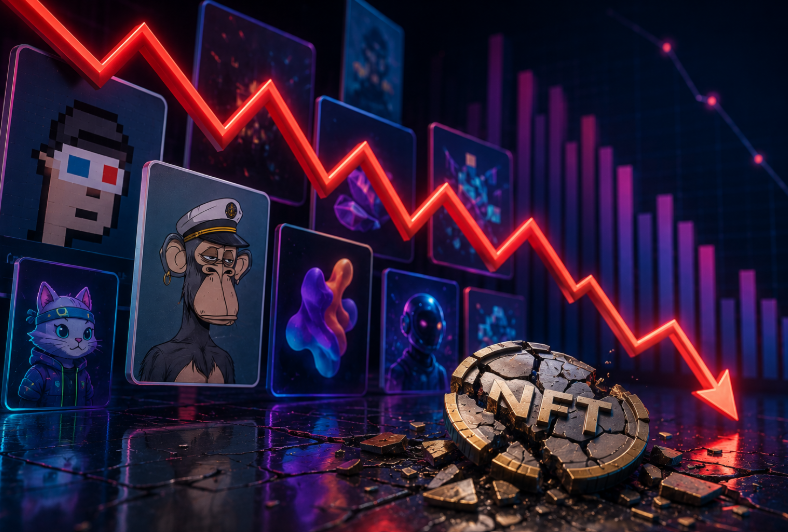
The NFT industry experienced explosive growth during its early years as digital collectibles, blockchain art, and virtual ownership captured global attention. Artists, investors, gaming platforms, and major brands rushed into the space hoping to benefit from rapidly expanding digital markets. However, the market evolved quickly, and many NFT projects struggled to maintain relevance once the initial excitement faded. As competition intensified, NFT market strategy became one of the most important factors separating successful projects from declining collections.
Many early projects relied heavily on hype and short-term speculation. While this approach created temporary demand, it often failed to build sustainable ecosystems capable of surviving market downturns. Buyers eventually became more selective, focusing on projects offering real utility, strong communities, and long-term value.
The NFT market also matured alongside broader blockchain adoption. Users now expect more than simple digital ownership. They increasingly look for experiences, interoperability, governance participation, gaming integration, and creator engagement connected to NFT ecosystems.
Competition has expanded dramatically as well. Thousands of collections launch regularly across multiple blockchain platforms, making visibility and differentiation far more difficult. Without clear positioning and long-term planning, many projects quickly lose market share to stronger competitors.
As a result, creators and companies now recognize that long-term success requires far more than attractive artwork or temporary social media attention. Sustainable growth depends on strategic planning, community development, utility expansion, and consistent innovation.
Why Many NFT Projects Lose Momentum
The NFT market moves extremely quickly. New trends emerge constantly, and user attention often shifts toward the latest innovation or viral collection. Projects lacking long-term planning frequently struggle to maintain relevance after initial launches.
NFT market strategy becomes essential because short-term hype rarely supports lasting growth on its own. Many collections experience strong early sales yet fail to build active ecosystems capable of retaining users over time.
One common problem involves limited utility. Some projects focus entirely on collectible ownership without offering additional experiences, rewards, or functionality. As interest declines, holders may lose motivation to remain engaged.
Weak community management also contributes to declining market share. NFT ecosystems depend heavily on active user participation, social interaction, and ongoing communication. Projects that neglect community engagement often experience rapid decreases in activity.
Oversaturation creates additional challenges. The NFT market now contains countless collections competing for attention across art, gaming, music, sports, and entertainment sectors. Without differentiation, projects easily become lost within crowded marketplaces.
Roadmap failures frequently damage trust as well. Some teams promise ambitious features but fail to deliver meaningful updates consistently. Once confidence declines, liquidity and trading activity often weaken quickly.
Market conditions additionally influence momentum. Broader cryptocurrency downturns frequently reduce speculative spending, making sustainable value even more important during bearish periods.
Importantly, projects relying solely on celebrity promotion or viral marketing often struggle once attention shifts elsewhere.
The Importance of Utility in NFT Ecosystems
Utility has become one of the most critical drivers of long-term NFT performance. Buyers increasingly expect digital assets to provide benefits beyond simple ownership or speculative trading potential.
NFT market strategy now focuses heavily on creating experiences that encourage ongoing participation. Projects integrating gaming, exclusive access, staking rewards, governance rights, or metaverse functionality often maintain stronger engagement over time.
Gaming ecosystems demonstrate this shift clearly. Players increasingly use NFTs for in-game assets, character ownership, virtual land, and transferable digital economies. Functional assets usually generate more consistent activity than purely collectible items.
Membership communities also create value. Some projects provide exclusive events, educational resources, networking opportunities, or premium content for holders.
Interoperability continues growing in importance too. NFTs capable of functioning across multiple platforms and virtual worlds may attract broader demand because users gain additional flexibility.
Creator interaction additionally strengthens utility. Projects maintaining active communication, regular updates, and community involvement often build stronger long-term loyalty.
Token integration can further support ecosystem growth. Some NFT collections connect with broader blockchain economies through governance systems or reward structures.
Importantly, utility should remain meaningful rather than artificially added after launch. Projects performing best typically design ecosystem value from the beginning instead of relying on temporary marketing tactics.
How Branding Shapes Market Position
Strong branding plays a major role in helping NFT projects remain competitive within crowded digital markets. Successful collections often create recognizable identities that extend beyond visual artwork alone.
NFT market strategy depends heavily on branding because users increasingly view collections as communities, lifestyles, and digital identities rather than isolated assets.
Visual consistency matters significantly. Cohesive design, storytelling, and recognizable themes help projects stand out among thousands of competing collections.
Narratives additionally strengthen emotional connection. Many successful NFT ecosystems build compelling stories or missions that encourage long-term engagement and community loyalty.
Authenticity has become especially important as the market matures. Users increasingly favor projects with clear purpose, transparent leadership, and consistent communication rather than overly aggressive promotion.
Partnerships also influence brand perception. Collaborations involving gaming studios, entertainment companies, artists, or blockchain platforms often improve visibility and credibility.
Social media presence remains critical too. Active engagement across Discord, X, Telegram, and other platforms helps projects maintain relevance and attract new audiences.
Community-generated content can strengthen branding further. Memes, fan art, educational content, and collaborative events often expand organic visibility more effectively than traditional advertising.
Importantly, branding should align closely with actual project value. Overpromising without delivering meaningful experiences often damages reputation quickly within blockchain communities.
Community Engagement Drives Long-Term Value
Communities form the foundation of most successful NFT ecosystems. Unlike traditional digital products, NFT projects often depend heavily on user participation, social interaction, and decentralized culture.
NFT market strategy must prioritize community engagement because active users contribute directly to visibility, trading activity, and ecosystem growth.
Transparent communication builds trust significantly. Holders expect regular updates, honest discussions, and clear development progress from project teams.
Interactive experiences strengthen loyalty too. Events, voting systems, live discussions, contests, and collaborative initiatives help communities remain active during slower market periods.
Feedback loops additionally improve ecosystem development. Projects listening carefully to community input often adapt more effectively to changing user expectations and market conditions.
Exclusivity can also increase engagement when balanced properly. Limited access events or special rewards often strengthen community identity and retention.
Global participation continues expanding as blockchain adoption grows internationally. Successful projects frequently support diverse audiences through multilingual communication and inclusive engagement strategies.
Education has become another important component. Many users still enter NFT markets without deep blockchain knowledge. Communities providing guidance and resources often build stronger long-term participation.
Importantly, communities cannot remain active through incentives alone. Sustainable engagement usually depends on genuine value, shared culture, and meaningful interaction.
The Role of Innovation in Staying Competitive
Innovation remains essential within rapidly evolving blockchain markets. NFT ecosystems that stop improving often lose relevance quickly as technology and user expectations continue advancing.
NFT market strategy should include long-term innovation planning rather than relying solely on initial launches. Successful projects consistently expand features, partnerships, and ecosystem functionality over time.
Metaverse integration has become increasingly common. Virtual environments allow NFT holders to use assets socially, commercially, or recreationally across immersive digital experiences.
Artificial intelligence also influences development trends. Some projects now integrate AI-generated customization, interactive avatars, or adaptive content experiences into NFT ecosystems.
Dynamic NFTs continue gaining attention too. Unlike static collectibles, these assets evolve based on user activity, gameplay achievements, or external data inputs.
Cross-chain compatibility may further strengthen competitiveness. Projects supporting multiple blockchain ecosystems often reach broader audiences and improve liquidity opportunities.
Sustainability considerations increasingly affect innovation as well. Energy-efficient blockchain solutions attract greater attention from environmentally conscious users and organizations.
Mobile accessibility has become important too. User-friendly applications and simplified onboarding experiences help attract mainstream adoption beyond highly technical audiences.
Importantly, innovation should support actual user needs rather than following trends blindly. Projects introducing useful improvements generally maintain stronger engagement than those constantly chasing temporary hype.
Marketplaces and Visibility Challenges
Visibility has become far more difficult as NFT marketplaces expand rapidly. New collections launch daily across multiple platforms, making discovery increasingly competitive.
NFT market strategy must account for marketplace positioning because exposure directly influences trading activity and community growth.
Listing on major marketplaces often improves credibility and accessibility. However, competition within these platforms remains intense due to the massive number of available collections.
Search optimization and metadata quality also influence discoverability. Clear descriptions, category organization, and accurate tagging help collections appear more effectively within marketplace algorithms.
Social proof affects visibility too. Trading volume, holder counts, and verified status often influence buyer confidence significantly.
Secondary market performance additionally impacts reputation. Collections maintaining active trading and stable communities often receive stronger marketplace promotion organically.
Royalties continue shaping creator strategies as well. Some marketplaces reduced royalty enforcement, creating new challenges for artists and development teams seeking sustainable revenue.
Analytics tools now play a larger role in visibility planning. Teams increasingly monitor floor prices, trading activity, wallet distribution, and engagement metrics to refine strategies.
Cross-platform promotion helps strengthen exposure further. Successful projects frequently combine marketplace presence with social media campaigns, influencer collaborations, and partnership initiatives.
Importantly, visibility alone cannot sustain long-term success without meaningful ecosystem value supporting ongoing engagement.
The Impact of Market Cycles on NFT Projects
The NFT market remains closely connected to broader cryptocurrency trends. Bullish periods often attract rapid capital inflows and speculative activity, while bearish conditions reduce trading volume and user participation significantly.
NFT market strategy becomes especially important during downturns because weaker projects frequently lose momentum quickly when speculative demand declines.
Bear markets often reveal which ecosystems provide genuine value beyond hype. Communities built on utility, engagement, and innovation usually demonstrate stronger resilience during difficult conditions.
Liquidity management also becomes critical. Projects with healthy treasury planning and diversified revenue streams generally navigate market volatility more effectively.
Holder retention influences long-term stability too. Communities maintaining active participation during downturns often recover more successfully when market conditions improve.
Economic cycles additionally affect creator behavior. Some artists and developers leave the market during slow periods, while others continue building stronger ecosystems despite reduced attention.
Institutional participation may influence future market cycles as well. Larger organizations increasingly explore NFTs for gaming, branding, ticketing, and digital ownership applications.
Importantly, market downturns sometimes create opportunities for stronger projects to expand while weaker competitors disappear from the ecosystem.
How Strategic Partnerships Improve Growth
Partnerships continue playing a major role in NFT ecosystem expansion. Collaborations involving brands, gaming companies, artists, influencers, and blockchain platforms often increase visibility and user engagement.
NFT market strategy frequently includes partnership development because external collaboration helps projects access new audiences and strengthen credibility.
Gaming integrations remain especially valuable. NFT collections connected to active gaming ecosystems often generate stronger long-term participation through interactive experiences.
Entertainment partnerships also influence adoption significantly. Music artists, sports organizations, and media brands increasingly use NFTs for fan engagement and digital collectibles.
Technology collaborations may improve functionality too. Partnerships involving blockchain infrastructure providers, wallet developers, or metaverse platforms often strengthen usability and scalability.
Educational initiatives can additionally support ecosystem growth. Some projects collaborate with creators or analysts to provide learning resources and onboarding support for new users.
Cross-community partnerships often create mutual benefits as well. Collaborative events or asset integrations encourage interaction between different blockchain audiences.
Importantly, partnerships should align with project identity and long-term goals rather than serving purely promotional purposes.
Conclusion
NFT market strategy has become essential for long-term survival and growth within increasingly competitive blockchain ecosystems. Early hype and speculative demand no longer guarantee lasting success as users now expect meaningful utility, strong communities, and continuous innovation.
Projects maintaining relevance typically combine clear branding, active engagement, practical functionality, and long-term development planning. At the same time, strategic partnerships, marketplace visibility, and ecosystem adaptability continue shaping competitive performance across the NFT industry.
The market itself continues evolving rapidly through gaming integration, metaverse development, decentralized finance, and expanding digital ownership models. Consequently, collections capable of delivering genuine value beyond speculation may maintain stronger long-term positioning.
As blockchain adoption grows globally, NFTs will likely continue transforming how people interact with digital identity, entertainment, ownership, and online communities. Projects building sustainable ecosystems rather than temporary hype may emerge as the strongest leaders within the future digital economy.
FAQ
1. Why Do Some NFT Projects Lose Popularity Quickly?
Many projects rely too heavily on hype without building long-term utility, strong communities, or meaningful ecosystem value.
2. How Does Utility Improve NFT Performance?
Utility gives holders additional benefits such as gaming access, rewards, governance participation, or exclusive experiences.
3. Why Is Community Engagement Important for NFTs?
Active communities support visibility, trading activity, loyalty, and long-term ecosystem growth.
4. How Do Partnerships Help NFT Collections Grow?
Collaborations improve exposure, expand audiences, and strengthen ecosystem functionality across multiple platforms.
5. Can NFT Markets Recover During Future Growth Cycles?
Yes. Strong projects with sustainable ecosystems often recover more effectively when market conditions improve.