NFT Market Saturation Is Fueling Creator Burnout

NFT market saturation is becoming one of the biggest challenges facing creators, buyers, collectors, and project teams as digital ownership continues to evolve. What once felt like a fresh creative movement now feels crowded for many participants. New collections, utility promises, gaming assets, membership passes, dynamic NFTs, AI-generated art, token-gated communities, and brand-backed drops appear constantly. While this innovation can create opportunity, it can also make the market harder to understand, harder to trust, and harder to navigate without feeling exhausted.
The problem is not that NFT innovation is bad. In fact, new tools can help creators build better relationships with supporters and give buyers more interesting ways to participate in digital culture. However, when every project claims to be different, every roadmap promises utility, and every launch demands attention, users begin to feel overwhelmed. Creators feel it too. They may believe they must keep adding features, managing communities, releasing updates, and responding to holders just to remain relevant.
Why the NFT Space Feels So Crowded
The NFT space feels crowded because launching digital assets has become easier than building lasting value. A creator or team can release a collection quickly, promote it across social platforms, and promise future benefits before a full business model exists. This speed can be useful for experimentation. However, it also leads to too many projects competing for the same attention.
NFT market saturation grows when supply expands faster than meaningful demand. Buyers only have so much time, trust, and capital. When hundreds of projects compete for their attention, they become more selective. Some stop exploring altogether because the market feels too noisy. Others only focus on established names, which makes it harder for new creators to gain traction.
This creates a difficult cycle. New projects try to stand out by adding more features, louder marketing, or bigger promises. Then other projects copy those tactics. Soon, what once felt innovative becomes expected. As a result, creators must work harder just to achieve the same level of interest.
The market also becomes confusing because many projects use similar language. Words like utility, community, access, ownership, and innovation appear everywhere. Yet the actual value behind those words can vary widely. Buyers may struggle to tell which projects have real direction and which ones are only using popular terms.
How Fast Innovation Creates Buyer Fatigue
Buyer fatigue happens when people feel tired of evaluating too many choices. In NFTs, this fatigue can build quickly because every project asks buyers to understand artwork, rarity, smart contracts, roadmaps, rights, utility, tokenomics, community quality, and resale potential. That is a lot to process before making a decision.
NFT market saturation makes this worse by increasing the number of launches and updates buyers must review. A collector may begin with excitement, but after seeing endless mints, allowlists, reveal events, staking promises, and partnership announcements, the process can feel repetitive. Eventually, even good projects may struggle to earn attention because buyers have become numb to new claims.
This fatigue can also reduce trust. When buyers see too many projects fail to deliver, they become skeptical of future promises. A team may have a genuine plan, but buyers may assume it is another overhyped launch. This makes honest communication more important, yet it also makes marketing harder.
Buyer fatigue does not mean people no longer care about digital ownership. It means they need clearer reasons to care. Projects that explain their value simply, deliver consistently, and avoid unnecessary complexity may stand out more than those that chase every new trend.
Why Creators Feel Pressure to Keep Expanding
Creators often enter NFTs because they want more control over their work. They may want direct support from collectors, better ownership tools, or a stronger community around their art. However, once they enter the market, they may feel pressure to become much more than creators.
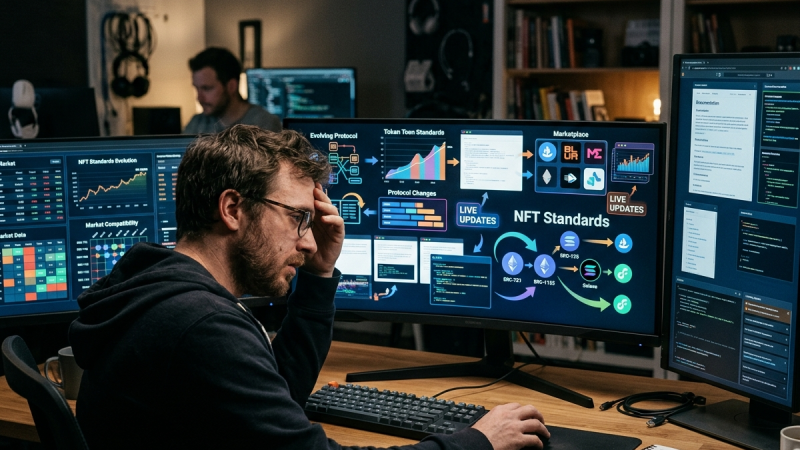
They may need to run Discord servers, plan roadmaps, manage moderators, explain smart contracts, deliver utility, create social content, handle criticism, and keep holders excited. This pressure can be intense, especially for independent artists who do not have a large team. As expectations rise, creative work can become only one part of a much larger workload.
NFT market saturation increases this pressure because creators feel they must compete with bigger projects. If another team offers events, merch, a game, or token rewards, a smaller creator may feel that simple art is not enough. Instead of focusing on creative quality, they may add benefits they cannot sustain.
Burnout often follows when creators promise too much. They may work constantly to satisfy holders, but still feel behind. If the floor price drops or engagement slows, they may feel personally responsible. Over time, the emotional weight of managing a public project can weaken the creative energy that started it.
The Problem With Utility Overload
Utility was meant to make NFTs more useful. It can include access, membership, gaming features, discounts, rights, experiences, physical goods, or community benefits. In the right context, utility can strengthen a project. However, utility overload happens when projects add too many features without a clear reason.
NFT market saturation pushes teams toward utility overload because plain promises no longer feel special. A project may add staking, token rewards, virtual events, merchandise, and future game plans because buyers expect more. Yet every added feature increases delivery pressure. If the team cannot execute, trust suffers.
Utility should solve a real need. A music NFT might offer early listening sessions. A gaming asset might unlock playable content. A creator pass might provide behind-the-scenes access. These benefits make sense when they match the audience. However, random utility can confuse buyers and distract creators.
Overloaded roadmaps also make projects harder to understand. New buyers may ask what the NFT actually does, only to receive a long list of uncertain features. A simple, clear value proposition is often stronger. In a crowded market, clarity can matter more than feature count.
Why Communities Become Exhausted
NFT communities often begin with excitement. Early members share announcements, welcome new holders, discuss art, and support the project’s launch. However, maintaining that energy is difficult. If the project relies on constant hype, the community may burn out quickly.
Community exhaustion appears when members feel they must always promote, defend, or monitor the project. Holders may check floor prices daily, ask for updates, debate roadmap changes, and worry about market sentiment. Instead of enjoying the community, they become anxious about whether the project is losing momentum.
NFT market saturation adds to this exhaustion because communities compare themselves with other projects constantly. If another collection announces a major partnership, holders may demand something similar. If another project pumps, people may ask why theirs is not moving. This comparison culture can make steady building feel inadequate.
Healthy communities need more than price talk. They need shared purpose, useful updates, realistic expectations, and activities that do not depend only on market performance. Without that balance, members may leave even if the project still has potential.
How Oversupply Weakens Launch Quality
Oversupply does not only affect buyers. It also affects launch quality. When too many projects compete for attention, teams may rush to launch before the market moves on. This can lead to weak planning, poor communication, unclear terms, and unfinished utility.
A rushed launch may still attract early buyers if the branding is strong. However, problems usually appear after the mint. The team may not have a clear delivery schedule. The community may not understand the long-term plan. The creator may not have enough support. As expectations rise, the project can lose direction.
NFT market saturation makes strong preparation more important. A project needs a clear audience, realistic roadmap, transparent rights, and a communication plan before launching. It also needs a reason to exist beyond being another collection. Without that foundation, even good art may struggle to hold attention.
Launch quality also affects trust across the wider market. Each failed or abandoned project makes buyers more cautious. This hurts serious creators because they must overcome skepticism created by others. Better launches can help rebuild confidence, but they require patience and discipline.
Why Innovation Can Become Performative
Innovation becomes performative when projects add new features mainly to look advanced. A team may announce AI tools, metaverse spaces, token systems, or dynamic metadata because those ideas sound current. However, if they do not improve the holder experience, they may only create noise.
NFT market saturation encourages performative innovation because projects need ways to stand out. Unfortunately, flashy announcements can hide weak fundamentals. Buyers may be impressed at first, but they eventually ask whether the feature is useful, usable, and worth keeping.
True innovation should make something better. It may improve access, ownership, creativity, engagement, rights management, or community participation. It does not need to be complicated. Sometimes a simple tool that helps collectors understand benefits is more valuable than a complex system nobody uses.
Projects should ask whether each feature supports the core purpose. If the answer is unclear, the feature may be a distraction. In a saturated market, focus can become more innovative than adding another trend-driven layer.
The Role of Marketplaces and Platforms
Marketplaces and platforms also shape NFT saturation. They make it easier for creators to mint, list, promote, and sell digital assets. This access is valuable because it opens the market to more people. However, it also increases the number of projects competing for visibility.
When platforms prioritize volume, they may encourage more launches without helping users understand quality. Buyers see endless collections but limited context. Creators gain tools but not always strategy. As a result, the market becomes bigger but not necessarily clearer.
NFT market saturation could improve if platforms provided better discovery, clearer utility labels, rights summaries, and project delivery history. Buyers need better filters than price, volume, and rarity. They also need to understand whether a project has active benefits, completed milestones, and transparent communication.
Creators would benefit from better onboarding too. Minting tools should help them think about supply, pricing, rights, royalties, and long-term workload. If platforms help creators launch more responsibly, the whole ecosystem can become healthier.
How Buyers Can Avoid Burnout
Buyers can protect themselves by slowing down. They do not need to evaluate every launch or join every allowlist. A more selective approach can reduce stress and improve decision-making. Instead of chasing constant novelty, buyers can focus on projects that match their interests, values, and risk tolerance.
A simple checklist can help. Buyers should ask what the NFT offers today, what the team has already delivered, what rights are included, how active the community is, and whether they would still want the asset if resale demand dropped. These questions reduce emotional buying.
NFT market saturation makes patience more valuable. If a project is strong, it should not require buyers to ignore every warning sign. Urgency can be part of a launch, but extreme pressure should raise caution. Buyers should feel comfortable walking away when they do not understand the value.
It also helps to separate collecting from investing. If someone buys because they love the art or community, they may judge the purchase differently than someone seeking returns. Confusing those motivations can create disappointment.
How Creators Can Reduce Burnout
Creators can reduce burnout by setting boundaries before launching. They should decide what they can realistically deliver, how often they will communicate, and what type of community they want to build. Clear limits can protect both the creator and the holders.
NFT market saturation can make creators feel that bigger is always better. However, smaller projects can be stronger when they are focused and manageable. A limited collection with clear benefits may create more trust than a large roadmap filled with uncertain promises.
Creators should also avoid copying utility models that do not fit their work. An artist does not need to build a game just because another project did. A writer does not need a token economy to create value. A musician does not need a complex membership system if simple access works better.
Support systems matter as well. Moderators, collaborators, legal guidance, and technical help can reduce pressure. Independent creators should not feel they must carry every part of a project alone. Sustainable building often requires help.
What Stronger NFT Projects Do Differently
Stronger projects usually focus on clarity. They explain what they are, who they serve, and what holders can expect. They do not rely only on vague future promises. Instead, they build trust through consistent delivery.
They also pace innovation carefully. Rather than adding every new feature, they choose what fits their audience. If they introduce utility, they explain how it works and why it matters. If they experiment, they label it as an experiment instead of presenting it as guaranteed value.
NFT market saturation rewards projects that respect attention. Buyers and holders do not want endless announcements with little substance. They want useful updates, honest timelines, and proof of progress. Teams that communicate simply can stand out in a noisy market.
Strong projects also measure engagement beyond floor price. They look at active holders, repeat participation, community health, creator output, and delivery history. These signals provide a better view of long-term strength.
The Future of NFTs Needs Less Noise
The NFT market does not need to stop innovating. It needs innovation that is easier to understand and more connected to real demand. Buyers need fewer vague promises and more clear explanations. Creators need fewer unrealistic expectations and more sustainable models. Platforms need better discovery tools and stronger education.
NFT market saturation may eventually push the space toward higher standards. When attention becomes harder to earn, projects must become more thoughtful. They need clearer positioning, stronger delivery, and more honest communication. This may reduce the number of low-quality launches and help serious creators stand out.
Burnout is a warning sign, not the end of the market. It shows that the current pace is not sustainable for many people. If the ecosystem responds with better tools, clearer norms, and more realistic expectations, NFTs can become healthier.
The next stage may favor projects that are smaller, clearer, and more useful. Instead of asking how many features a project can announce, buyers may ask whether the experience is worth returning to. That shift could make the market more mature.
Conclusion
NFT innovation has opened the door to new forms of ownership, access, creativity, and community. However, rapid innovation has also created a crowded market where buyers feel overwhelmed and creators feel stretched thin. Too many projects, too many promises, and too much pressure can weaken trust across the ecosystem.
NFT market saturation is not only about the number of collections. It is about attention, clarity, and sustainability. When buyers cannot tell which projects matter, they become fatigued. When creators feel forced to overbuild, they burn out. When platforms reward constant launching over thoughtful building, quality suffers.
The healthier path is not less creativity. It is better focus. Creators should build what they can sustain. Buyers should research before reacting to hype. Teams should communicate honestly and deliver before expanding. Platforms should make quality easier to discover. If the NFT space can reduce noise and improve clarity, innovation can become more useful instead of exhausting.
FAQ
1. Why does the NFT market feel oversaturated?
The market feels oversaturated because new collections, tools, utilities, and launches appear constantly. Buyers have limited attention, so many projects struggle to stand out.
2. How does saturation affect creators?
Saturation increases pressure on creators to market more, add utility, manage communities, and compete with larger projects. This can lead to stress and burnout.
3. Why are buyers becoming fatigued?
Buyers are tired of reviewing endless launches, vague promises, and complicated roadmaps. Many have also seen projects fail to deliver, which reduces trust.
4. Can utility help a project stand out?
Utility can help when it matches the audience and is delivered clearly. However, random or unrealistic utility can create confusion and disappointment.
5. What makes an NFT project more sustainable?
A sustainable project usually has clear purpose, realistic promises, consistent communication, strong delivery, and a community built on more than price speculation.