NFTs in gaming opportunities – play-to-earn explained
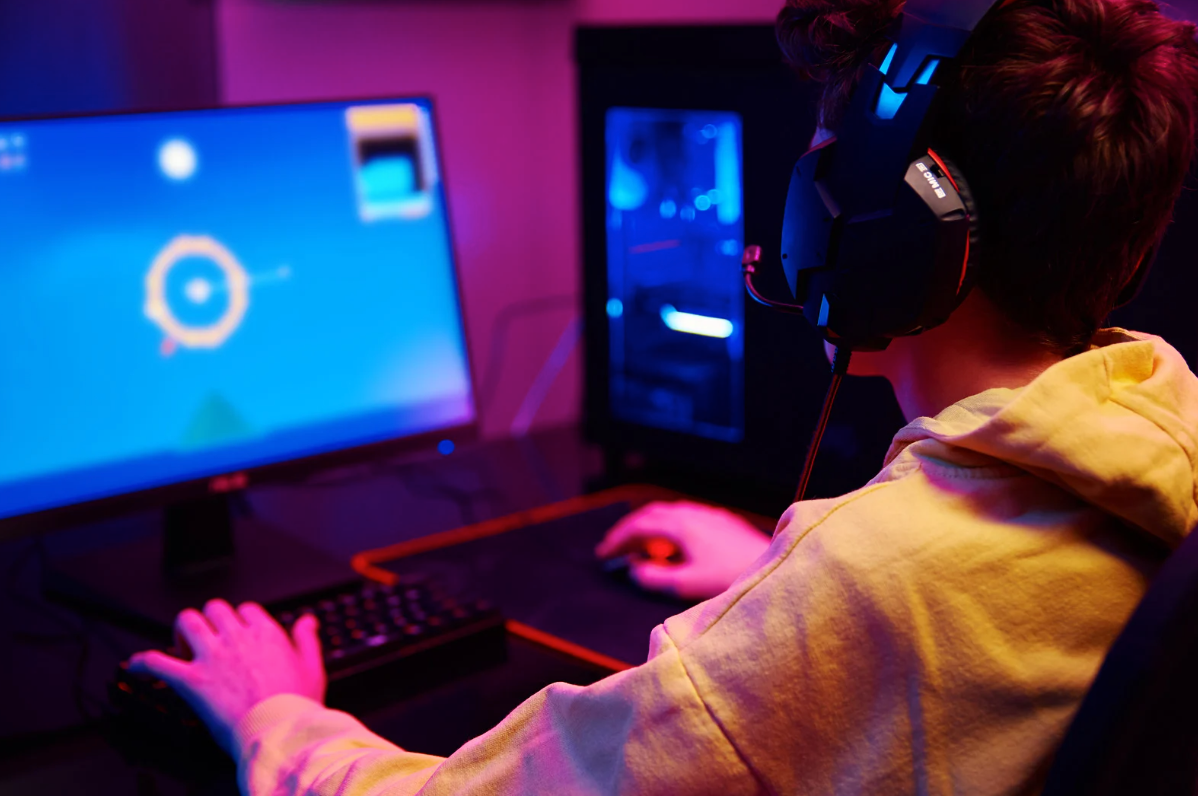
Imagine playing your favorite game and actually earning something valuable for your time. No, not just bragging rights or digital badges—but real, tradable assets with market value. That’s what NFTs in gaming opportunities are all about. In 2025, this play-to-earn revolution is rewriting the rules of the gaming industry. Players are no longer just consumers; they’re investors, traders, and digital entrepreneurs.
In this article, we’ll explore how NFTs are reshaping the gaming world, how play-to-earn systems work, and why this model is creating financial opportunities for players worldwide. Whether you’re a gamer, investor, or simply curious about digital ownership, understanding this shift could be your key to catching the next big wave.
The rise of NFTs in gaming
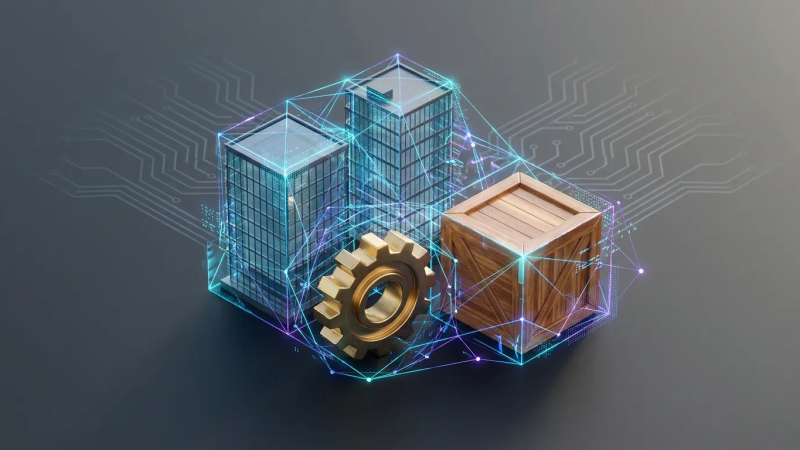
A few years ago, the term “NFT” was mostly tied to digital art and collectibles. But now, it’s deeply woven into gaming ecosystems. NFTs, or non-fungible tokens, represent unique digital items that players can truly own. Think of them as certificates of authenticity on the blockchain—each weapon, skin, or avatar you earn in a game can be verifiably yours.
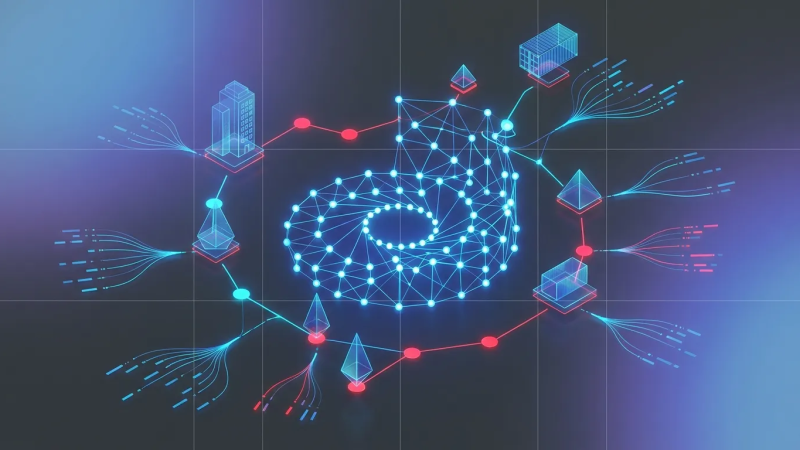
This ownership transforms gaming economics. Instead of renting digital assets within a closed system, players now control them. They can trade, sell, or lend these items in secondary markets for cryptocurrency or real money. It’s a concept that merges fun with finance—making gaming both entertaining and profitable.
Developers have caught on too. Game studios are launching blockchain-based titles where NFTs form the backbone of the economy. From adventure games to virtual metaverses, the integration of NFTs in gaming opportunities is opening up entirely new business models.
What makes NFTs valuable in gaming
Not all in-game items are created equal. Traditional games often limit ownership—your hard-earned sword or skin disappears if the server shuts down. NFTs change that by granting permanence and portability.
Here’s why NFTs in gaming have real value:
- True ownership: The blockchain records ownership publicly, ensuring your assets can’t be deleted or replicated.
- Scarcity: NFT items often have limited supply, which increases their demand.
- Utility: These assets can serve functional roles—like weapons, plots of land, or characters that affect gameplay.
- Interoperability: In some ecosystems, NFTs move between games or platforms, expanding their usefulness.
Think of it like collecting baseball cards that can actually play in different leagues. The value isn’t just sentimental—it’s practical and potentially profitable.
Understanding play-to-earn mechanics
So, how do play-to-earn systems actually work? It’s simple: instead of paying to play, players earn rewards that have real-world value. These rewards come in the form of NFTs or tokens. The more you play, the more assets you collect.
For example, you might complete missions, win battles, or level up your character—and earn NFTs as a result. You can then sell those NFTs on marketplaces like OpenSea or Magic Eden. In some games, you earn the project’s native token, which you can swap for cryptocurrency or fiat money.
Essentially, NFTs in gaming opportunities create a cycle of effort, ownership, and reward. Unlike traditional gaming economies, where the developer holds all the value, play-to-earn games share it with players.
Why players love play-to-earn models
There’s something empowering about knowing your time and skill have tangible worth. Traditional gaming rewarded players emotionally; play-to-earn games reward them financially too.
For gamers in emerging economies, these opportunities can be life-changing. During the early NFT gaming boom, players in countries like the Philippines used games like Axie Infinity as a source of income. Even though the market has evolved, the concept remains powerful—earn while doing something you enjoy.
Play-to-earn also encourages community participation. Players often become ambassadors, content creators, and even partial stakeholders in the games they love. The relationship between developers and players has never been more collaborative.
How game developers benefit from NFTs
While players gain ownership, developers also benefit from NFT integration. Selling NFT-based assets provides new revenue streams. Developers can earn royalties every time an NFT changes hands, thanks to smart contracts.
Moreover, blockchain games create self-sustaining ecosystems. Instead of releasing endless sequels, developers can build expanding worlds with long-term economies. Each update or event drives more engagement and trading activity.
By adopting NFTs in gaming opportunities, developers move from one-time sales models to continuous, player-driven economies. That’s the future of digital gaming monetization—fairer, more engaging, and more profitable for all parties.
Popular examples of NFT play-to-earn games
Let’s explore a few standout projects that have shaped this new frontier:
1. Axie Infinity – The pioneer of play-to-earn. Players collect creatures called Axies, breed them, and battle for tokens. Despite challenges, it remains a cornerstone of NFT gaming.
2. The Sandbox – A metaverse experience where players can build, own, and monetize virtual land and assets as NFTs. The Sandbox has partnered with major brands and creators.
3. Illuvium – A visually stunning RPG built on Ethereum. Players capture and battle NFT creatures in an open-world environment with tradable assets.
4. Star Atlas – A space exploration game combining strategy, NFT ownership, and an intergalactic economy driven by blockchain.
5. Gods Unchained – A competitive card game where every card is an NFT, giving players complete ownership of their decks.
These examples show how diverse NFT gaming opportunities can be—spanning genres, styles, and reward systems.
Challenges of NFTs in gaming opportunities
Like any disruptive innovation, NFT gaming comes with growing pains. The most common challenges include:
1. Market volatility
NFT values can fluctuate wildly. What’s worth $200 today might be worth $20 tomorrow. This volatility makes it risky for players treating gaming as a steady income stream.
2. Entry barriers
Some games require upfront investment—buying NFTs before you can play. While scholarships and guilds help new players, it’s still a financial hurdle for many.
3. Environmental concerns
Early blockchain networks consumed significant energy. Thankfully, most new NFT games now use eco-friendly chains like Polygon or Solana, which drastically reduce energy use.
4. Speculation vs. fun
Critics argue that focusing too much on profit can strip the fun from gaming. The best NFT games find a balance—rewarding players without turning every moment into a financial transaction.
5. Security risks
As with any online asset, scams and phishing attacks exist. Players must use secure wallets, verify contracts, and never share private keys.
These challenges don’t invalidate NFT gaming—they simply highlight the need for education, regulation, and responsible development.
The future of NFTs in gaming
The concept of ownership is evolving. In traditional games, your achievements are locked behind company servers. In NFT-based games, your assets live independently on the blockchain. Even if a game shuts down, you still own your NFTs.
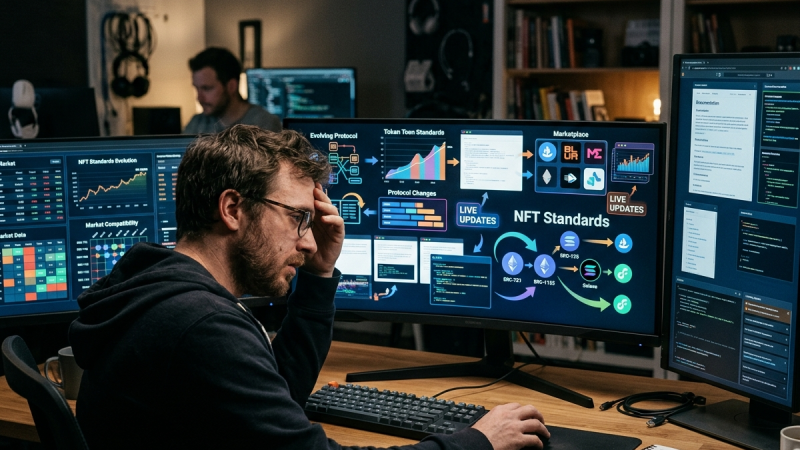
Future innovations will likely make NFTs more seamless. Expect cross-game integration, enhanced interoperability, and smarter in-game economies. Developers are experimenting with dynamic NFTs—items that evolve based on your achievements or playstyle.
There’s also a growing trend toward free-to-own models, where players start with free NFTs that gain value through gameplay. This approach lowers barriers to entry while maintaining fair reward systems.
As mainstream gaming companies like Ubisoft, Square Enix, and Epic Games explore blockchain integration, we’ll see NFTs move from niche to normal. The concept of digital ownership is too powerful to ignore.
How to get started with NFT gaming
If you’re ready to explore this new world, here’s a simple roadmap:
- Set up a crypto wallet. Use trusted wallets like MetaMask or Phantom to store assets securely.
- Choose your blockchain. Most NFT games run on Ethereum, Solana, or Polygon.
- Do your research. Check the project’s whitepaper, roadmap, and tokenomics.
- Start small. Play free or low-cost games before investing heavily.
- Join communities. Engage in Discord or Telegram groups to learn from experienced players.
Starting with caution helps you understand both the gaming experience and the market dynamics.
Why NFTs in gaming are here to stay
Skeptics once said digital art had no value, yet today it’s a multi-billion-dollar industry. Gaming NFTs are on the same trajectory. They represent the merging of entertainment, finance, and digital ownership into one dynamic ecosystem.
Players now have control. Developers have sustainable models. Collectors have assets that hold or grow in value. The entire gaming industry is shifting toward greater transparency, creativity, and empowerment.
Sure, the road ahead may have ups and downs, but one truth is undeniable: once players experience true ownership, there’s no going back.
Conclusion
NFTs in gaming opportunities are changing what it means to play. Games are no longer one-way experiences where money flows only to developers. Instead, play-to-earn models empower players to share in the value they help create.
By blending blockchain, creativity, and community, NFT gaming transforms entertainment into a digital economy built on ownership and opportunity. Whether you’re playing for fun, profit, or both, one thing is clear—the future of gaming is decentralized, player-driven, and full of endless possibilities.
FAQ
- What are NFTs in gaming?
NFTs are unique digital assets that players can own, trade, and use within blockchain-based games. - How do play-to-earn games work?
Players earn NFTs or tokens through gameplay, which can be sold or exchanged for real-world value. - Are NFT games safe to invest in?
Most are safe if researched properly. Always verify the project’s legitimacy and use secure wallets. - Can I play NFT games for free?
Yes, some games offer free-to-play models or starter NFTs so players can earn without upfront costs. - Will NFTs replace traditional gaming?
Not entirely. They’ll likely coexist—traditional gaming for entertainment, and NFT gaming for ownership and earning potential.