The Future of NFT Art in the Digital World
NFTs (Non-Fungible Tokens) have revolutionized how we create, sell, and experience art. They’ve turned digital files into collectible, verifiable assets — and in doing so, have transformed the creative economy forever.
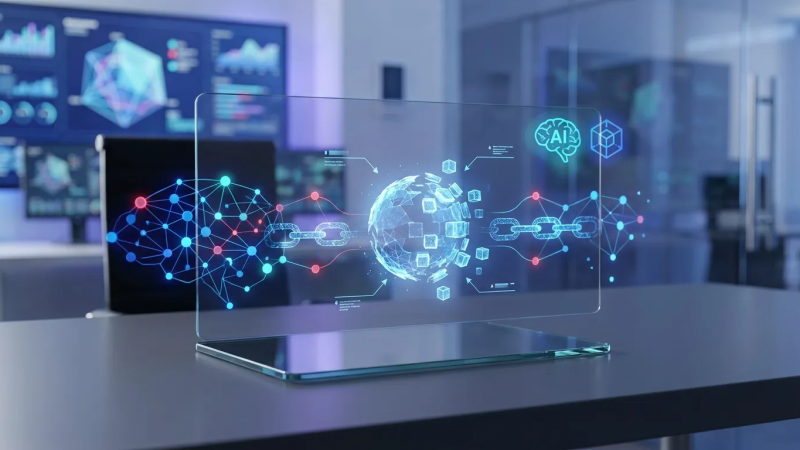
As blockchain technology matures, the future of NFT art looks brighter and more innovative than ever. Artists are embracing immersive 3D environments, AI collaborations, and sustainable minting solutions that redefine what art can be in a connected world.
Let’s explore where NFT art is headed — and why it’s more than just a passing trend.
Understanding NFT Art
NFT art is any form of digital artwork — illustration, video, music, animation, or 3D model — that has been minted (recorded) on a blockchain.
Each NFT acts as a digital certificate of ownership, allowing collectors to verify authenticity and provenance. Unlike traditional art, NFTs can be traded instantly, stored digitally, and even integrated into metaverse worlds.
But the real innovation is just beginning.
1. The Rise of Digital Collectibles
NFTs have created a new generation of digital collectors. Instead of purchasing physical paintings, people now collect digital art with blockchain-verified ownership.
As virtual spaces like the metaverse expand, these collectibles will become status symbols and assets, displayed in digital homes, galleries, and even augmented reality environments.
The idea of “owning digital culture” is becoming mainstream — and that shift is redefining art appreciation.
2. Integration with the Metaverse
The metaverse is one of the biggest catalysts shaping the future of NFT art.
Virtual worlds such as Decentraland, The Sandbox, and Spatial.io allow users to display NFTs in interactive galleries or virtual exhibitions. Artists can host global showcases without physical boundaries, and collectors can walk through immersive digital museums.
In the metaverse, art is not just viewed — it’s experienced.
Soon, metaverse art galleries may rival traditional museums, hosting curated NFT collections accessible from anywhere in the world.
3. The Role of AI in NFT Creation
Artificial Intelligence is emerging as a creative partner for digital artists.
AI algorithms can now generate stunning visuals, interactive animations, and adaptive artworks that evolve based on blockchain data. Platforms like Art Blocks and Async Art already use AI-driven or generative models to produce dynamic, one-of-a-kind creations.
In the future of NFT art, collaboration between human creativity and machine intelligence will blur the line between artist and algorithm — giving rise to entirely new forms of digital expression.
4. Sustainable NFT Minting
One of the biggest criticisms of early NFT systems was their environmental impact. However, this is rapidly changing.
Newer, eco-friendly blockchains like Polygon, Tezos, and Solana use energy-efficient proof-of-stake (PoS) mechanisms that drastically reduce carbon footprints.
As artists and collectors become more sustainability-conscious, green NFT platforms are leading the way toward a more responsible and scalable digital art ecosystem.
5. NFT Art as a Career Path
For many artists, NFTs have become more than a side hustle — they’re a full-fledged career model.
Unlike traditional galleries that take large commissions, NFT marketplaces empower creators to sell directly to audiences worldwide.
Key income sources include:
- Primary sales of digital art.
- Royalties from secondary market resales.
- Collaborations with brands and other artists.
- Access-based NFTs offering exclusive experiences.
This model gives artists full control over pricing, branding, and community engagement.
6. Expanding Use Cases Beyond Art
NFTs are evolving beyond art collectibles. They now represent utility-based assets across industries:
- Music NFTs that pay royalties to fans.
- Fashion NFTs that pair with physical items.
- Game NFTs that grant in-game ownership of assets.
- Real estate NFTs tied to virtual or physical property.
The art world will merge with these industries — creating hybrid art forms that combine visuals, music, interactivity, and immersive storytelling.
7. Community-Driven NFT Projects
The future of NFT art will be shaped by communities, not corporations.
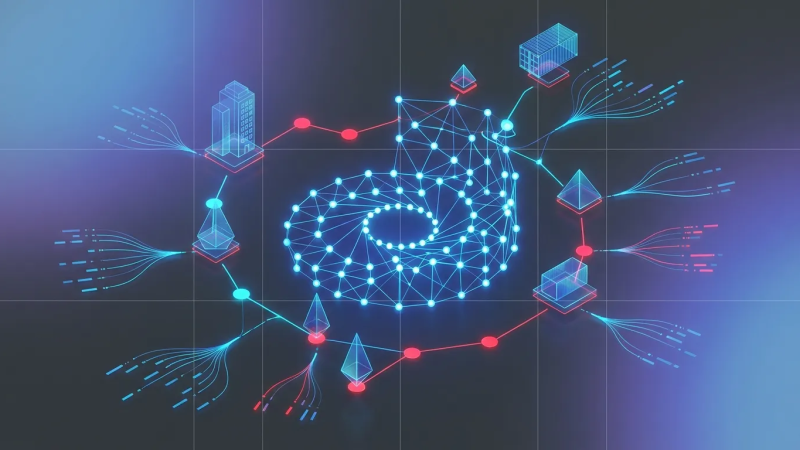
Artists and collectors are forming Decentralized Autonomous Organizations (DAOs) — groups where members collectively fund, curate, and promote art projects.
For example, PleasrDAO and FlamingoDAO have already changed the way art is owned and governed. In these communities, collectors become co-curators and participants in the creative journey.
This decentralized ownership model ensures that value circulates among creators and supporters — not just platforms or investors.
8. Fractional Ownership of Art
High-value NFTs can now be divided into fractional shares, allowing multiple collectors to co-own a single artwork.
Platforms like Fractional.art and DAOfi are leading this trend, making blue-chip NFTs accessible to everyday investors.
This democratization of ownership mirrors the rise of stock trading apps — but for digital art. It’s an exciting step toward inclusivity and liquidity in the NFT art world.
9. Evolving Artistic Mediums
As technology advances, artists are exploring new ways to integrate blockchain into their creative process.
Some examples include:
- Dynamic NFTs that evolve over time or react to real-world events.
- AR and VR NFTs that extend art into immersive experiences.
- Audio-reactive art that changes with sound.
In the future of NFT art, creativity won’t just be visual — it’ll be interactive, adaptive, and alive.
10. Bridging Physical and Digital Worlds
“Phygital” art — combining physical and digital elements — is redefining how collectors experience ownership.
Artists can now sell NFTs paired with tangible pieces, such as sculptures or paintings. The NFT acts as a certificate of authenticity, while the physical item provides tactile connection.
This hybrid model bridges traditional and digital art markets, appealing to both seasoned collectors and tech-savvy investors.
11. NFTs and the Future of Art Galleries
Traditional galleries are evolving to accommodate NFTs. Institutions like Sotheby’s and Christie’s now host NFT auctions, while new-age galleries are popping up in both the physical and virtual worlds.
Expect to see:
- Hybrid exhibitions mixing physical and digital installations.
- Metaverse-native galleries with interactive experiences.
- AR displays in public spaces showing NFT art on city walls.
The future gallery experience will be borderless — allowing art to be seen, owned, and experienced from anywhere.
12. Regulation and Intellectual Property in NFT Art
As the market matures, intellectual property (IP) laws are catching up.
Artists will gain stronger legal protection for their digital assets, while marketplaces will implement clearer rules to prevent plagiarism or fraud.
The result: a safer, more trustworthy environment for artists and collectors alike.
13. Investment and Art as an Asset Class
NFT art is now recognized as a new asset class within the global art market.
Investors see NFTs as high-growth, high-reward assets with long-term potential. With blockchain providing verifiable ownership and scarcity, art is becoming more liquid and accessible to global markets.
This trend could permanently shift how people perceive and invest in creative work.
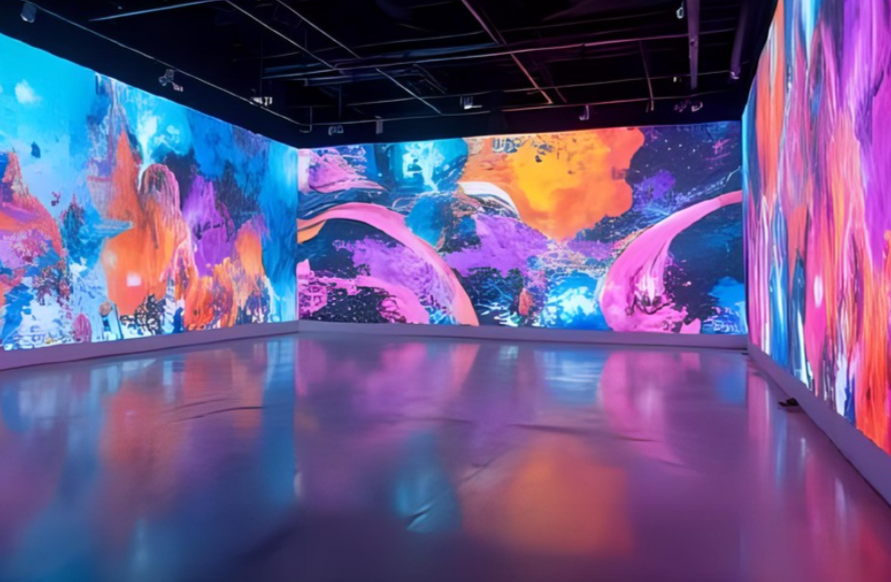
Alt text: Futuristic digital art exhibition showing immersive NFT displays in a virtual gallery.
14. Education and Accessibility
NFT education is growing rapidly. Online platforms, universities, and creative academies now offer courses on blockchain art, helping new artists enter the space confidently.
Greater education means broader participation — ensuring that the NFT revolution isn’t limited to tech insiders but open to all creatives.
15. The Next Generation of Collectors
Gen Z and Millennials are driving NFT adoption. For them, digital assets aren’t strange — they’re part of everyday life.
As younger generations accumulate wealth, their interest in digital-first investments will fuel the expansion of NFT art markets.
These collectors value community, transparency, and innovation — values that perfectly align with the NFT ethos.
Conclusion: The Future Is Decentralized and Creative
The future of NFT art isn’t just about technology — it’s about empowerment. Artists can now reach global audiences, earn royalties automatically, and collaborate across borders without intermediaries.
As NFTs evolve through AI, the metaverse, and sustainability, one thing is certain: digital art has transcended the screen. It’s now a living, evolving expression of human creativity powered by blockchain freedom.
The next Renaissance isn’t happening in studios or galleries — it’s unfolding on the blockchain.
FAQ
1. What is NFT art?
NFT art is digital artwork minted on a blockchain, providing verifiable ownership and authenticity.
2. How will NFTs change the art industry?
They eliminate intermediaries, giving artists direct access to global markets and royalties on resales.
3. Are NFTs environmentally friendly now?
Yes. Many blockchains, like Polygon and Tezos, use energy-efficient proof-of-stake systems.
4. Can traditional artists transition to NFT art?
Absolutely. Many painters and photographers are digitizing their work to reach new audiences.
5. What does the future of NFT art look like?
Expect AI-driven creativity, metaverse exhibitions, and sustainable, community-powered art ecosystems.