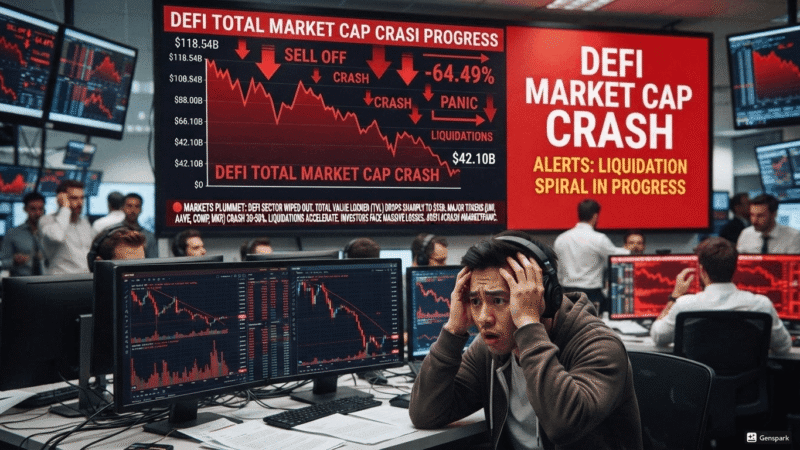
Safe DeFi Platforms: How to Protect Your Crypto Portfolio
Decentralized finance has transformed the way people interact with financial services. Investors can now lend, borrow, trade, and earn yield without relying on traditional banks. However, this innovation also introduces new risks. For this reason, choosing safe DeFi platforms has become essential for protecting digital assets.
Many DeFi projects promise attractive returns. Yet high yields often come with higher risks. Smart contract vulnerabilities, platform mismanagement, and liquidity issues may lead to financial losses.
Therefore, investors must carefully evaluate projects before committing funds. Understanding how safe DeFi platforms operate helps reduce risk while supporting long-term investment strategies.
Why Security Matters in DeFi Investing
Decentralized finance operates through blockchain-based smart contracts. These programs automatically execute financial transactions.
Although automation increases efficiency, coding errors or vulnerabilities can expose platforms to exploits.
Several DeFi hacks have resulted in millions of dollars in losses. In many cases, attackers exploit weaknesses in smart contracts.
Investors who research and prioritize safe DeFi platforms significantly reduce exposure to these threats.
Understanding Smart Contract Risks
Smart contracts control most DeFi protocols. They manage asset transfers, lending operations, and liquidity pools.
However, even small coding errors may create exploitable vulnerabilities.
Hackers constantly analyze protocols to discover weaknesses.
Platforms that conduct independent security audits usually demonstrate stronger protection.
Careful evaluation of these audits helps identify safe DeFi platforms before investing funds.
Smart Contract Audits and Code Transparency
One of the most reliable indicators of platform safety is a completed security audit.
Independent cybersecurity firms review smart contract code to identify vulnerabilities.
Projects that publish audit reports demonstrate transparency and accountability.
Although audits cannot guarantee complete protection, they significantly reduce potential risks.
Investors should prioritize safe DeFi platforms that regularly update and audit their code.
Open Source Code Advantages
Many decentralized finance projects publish their code publicly.
Open-source development allows independent developers to review platform security.
When multiple experts analyze code, vulnerabilities become easier to identify and correct.
This transparency builds trust within the DeFi community.
As a result, open-source protocols often rank among the most safe DeFi platforms available to investors.
Liquidity and Market Stability
Liquidity plays a critical role in decentralized finance.
Platforms with strong liquidity pools allow investors to enter or exit positions easily.
Low liquidity may cause price volatility or withdrawal difficulties.
Healthy liquidity also indicates strong user participation.
Investors analyzing liquidity metrics often identify more safe DeFi platforms with stable ecosystems.
Total Value Locked as a Safety Indicator
Total Value Locked measures the amount of cryptocurrency deposited in a protocol.
Higher locked value often indicates community trust and active participation.
However, TVL alone does not guarantee security.
Investors should evaluate TVL alongside other metrics such as user activity and smart contract audits.
Combining these insights helps identify safe DeFi platforms with reliable ecosystems.
Platform Reputation and Community Trust
Community engagement often reflects a project’s credibility.
Active communities provide feedback, report issues, and discuss platform updates.
Transparent communication between developers and users builds long-term trust.
Conversely, silent or inactive teams may signal potential problems.
Investors who observe community discussions can often identify safe DeFi platforms with strong reputations.
Developer Transparency
Developer teams should communicate regularly with users.
Public updates about security improvements and protocol upgrades demonstrate accountability.
Some projects even reveal the identities and experience of their development teams.
Although anonymity remains common in blockchain ecosystems, transparent leadership improves credibility.
Platforms that maintain clear communication often become more safe DeFi platforms for investors.
Risk Management Strategies for DeFi Investors
Even when using reliable protocols, investors should still manage risk carefully.
Diversifying assets across multiple platforms reduces exposure to single protocol failures.
Additionally, investing smaller amounts across several projects helps limit potential losses.
Combining risk management with research improves the ability to identify safe DeFi platforms.
Testing Platforms with Small Deposits
Before committing significant funds, investors should test platforms with smaller deposits.
Testing allows users to evaluate transaction processes, withdrawal functionality, and user experience.
Early testing also reveals potential technical issues.
This cautious approach helps investors confirm whether they are interacting with safe DeFi platforms.
Insurance and Risk Protection in DeFi
Some decentralized insurance protocols protect users against smart contract failures.
These services compensate investors if certain security events occur.
Although insurance coverage varies by platform, it provides additional protection.
Investors seeking greater protection often prioritize safe DeFi platforms that support insurance integrations.
Decentralized Coverage Options
Blockchain-based insurance protocols allow users to purchase coverage for specific platforms.
Coverage may protect against smart contract exploits or liquidity failures.
However, policy terms vary significantly between providers.
Investors should review coverage conditions carefully.
Insurance options add another layer of security when interacting with safe DeFi platforms.
Identifying Warning Signs of Unsafe Protocols
Not every DeFi project prioritizes security.
Some platforms launch quickly without proper audits or transparent documentation.
Unrealistically high yields often signal unsustainable token economics.
Anonymous teams that avoid community interaction may also indicate risk.
Recognizing these warning signs helps investors avoid unsafe protocols.
In contrast, careful research helps identify safe DeFi platforms with stronger foundations.
Suspicious Yield Promises
Extremely high returns often attract investors quickly.
However, unsustainable yields may depend on temporary token incentives rather than real economic activity.
When rewards disappear, token prices may collapse.
Investors should question platforms that promise unusually high returns.
Responsible investors focus instead on safe DeFi platforms offering sustainable yields.
Regulatory Awareness and Compliance
Although decentralized finance operates outside traditional financial systems, regulations continue evolving.
Some jurisdictions have introduced legal frameworks for digital asset platforms.
Projects that acknowledge regulatory developments often demonstrate greater professionalism.
Compliance awareness may indicate stronger long-term sustainability.
Investors seeking stability often look for safe DeFi platforms with transparent governance models.
Governance and Decentralized Decision Making
Many DeFi platforms operate through decentralized governance.
Token holders vote on protocol upgrades, fee adjustments, and development plans.
Community governance promotes transparency and accountability.
Active governance systems often reflect healthy ecosystems.
These structures support safe DeFi platforms by encouraging responsible decision-making.
Long-Term Sustainability in DeFi Ecosystems
Short-term hype can temporarily attract liquidity. However, sustainable platforms rely on real financial utility.
Protocols that provide lending services, decentralized exchanges, or asset management tools often demonstrate stronger long-term value.
Real utility attracts consistent user participation.
Projects that maintain utility-driven ecosystems typically evolve into safe DeFi platforms with lasting adoption.
Innovation and Continuous Development
The DeFi industry evolves rapidly. New technologies improve scalability, security, and usability.
Projects that continuously upgrade their protocols remain competitive.
Frequent development updates show commitment to long-term improvement.
These factors strengthen investor confidence in safe DeFi platforms.
Conclusion
Decentralized finance offers powerful opportunities for investors seeking financial independence and innovative financial services. However, the open nature of blockchain ecosystems also introduces risks that require careful evaluation.
Choosing reliable platforms, reviewing smart contract audits, and monitoring community activity help investors reduce exposure to potential threats. Additionally, risk management strategies such as diversification and insurance provide extra protection.
By conducting thorough research and prioritizing transparency, investors can identify trustworthy protocols within the decentralized finance ecosystem.
Ultimately, selecting safe DeFi platforms allows investors to participate confidently in decentralized finance while protecting their digital portfolios.
FAQ
- How can investors identify trustworthy decentralized finance platforms?
Investors should review smart contract audits, community reputation, liquidity levels, and developer transparency. - Why are smart contract audits important in DeFi?
Audits help identify coding vulnerabilities that attackers might exploit within decentralized protocols. - What role does liquidity play in decentralized finance safety?
Strong liquidity ensures stable trading conditions and easier asset withdrawals. - Can insurance protect funds used in decentralized finance?
Some blockchain insurance services provide protection against smart contract failures or platform exploits. - What warning signs suggest a risky decentralized finance project?
Unrealistic yields, anonymous teams, and missing audit reports may indicate potential risks.