NFTs vs RWAs: Why Investors Confuse the Two

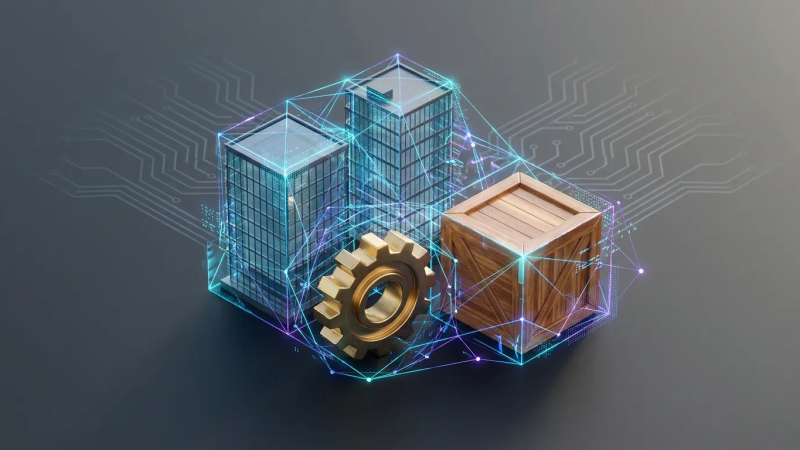
NFTs vs RWAs is one of the most common comparison points in digital asset investing, yet many investors still mix them together. At first glance, the confusion makes sense. Both involve tokens, blockchain records, wallets, and digital ownership. Also, both can represent access, value, proof, or rights in a modern financial system. However, they are not the same thing. NFTs usually represent unique digital assets, while RWAs, or real-world assets, refer to tokenized claims tied to assets that exist outside the blockchain.
That difference matters because it affects risk, valuation, liquidity, regulation, and long-term investment potential. Many investors see the word “token” and assume the product works like every other digital asset. However, the token is only the wrapper. The real question is what the token represents, who controls the value behind it, and what rights the buyer actually receives.
Why Investors Mix Up Tokenized Assets
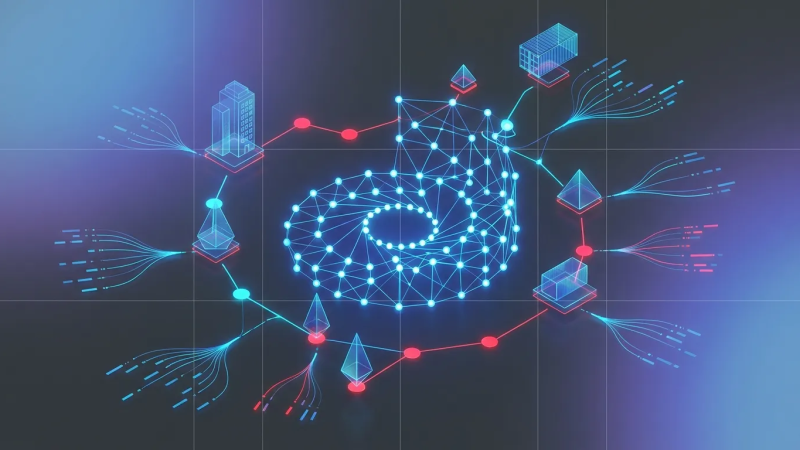
The confusion often starts with tokenization. Tokenization turns ownership records, claims, access rights, or asset representations into digital tokens that can move on blockchain networks. Since NFTs and RWAs both use this process, they can look similar on the surface. Yet tokenization does not make every asset identical.
An NFT, or non-fungible token, is usually unique. One NFT is not automatically equal to another, even when both belong to the same collection. For example, two digital collectibles may share the same brand, but they can differ in rarity, appearance, history, and demand. Because of this, NFT pricing often depends on culture, scarcity, creator reputation, community strength, and buyer sentiment.
RWAs work in a different way. A real-world asset token usually connects to something outside the blockchain. That asset could be real estate, private credit, gold, treasury products, carbon credits, invoices, or another financial or physical asset. In this case, the token may represent a claim, share, record, or form of economic exposure.
The Token Is Not the Whole Story
This is where NFTs vs RWAs becomes more than a vocabulary issue. Investors are not only comparing two crypto trends. They are comparing two different ways that tokens can represent value. One often leans toward uniqueness, identity, access, and digital-native ownership. The other usually connects blockchain systems to assets from traditional finance or physical markets.
Still, the line is not always perfectly clean. Some NFTs can represent claims on real-world items. For example, a luxury goods NFT might help authenticate ownership of a physical watch or handbag. Likewise, some RWA projects may use NFT-style token standards because the claim or asset is unique. This overlap creates more confusion.
Even so, the purpose of the token matters more than the technical label. Investors should always ask what sits behind the token. Is it mainly a digital collectible? Does it represent a claim on an external asset? Can it generate income? Is there legal documentation? Who holds the asset? What happens if the issuer fails?
What NFTs Usually Represent
NFTs became popular because they made digital ownership feel scarce, visible, and transferable. Before NFTs, digital files were easy to copy. Anyone could save an image, share a song, or download a video. However, NFTs created a way to prove ownership or access linked to a specific digital item. That changed how creators, collectors, and communities thought about digital value.
In many cases, NFTs represent art, collectibles, gaming assets, event passes, memberships, profile pictures, or digital identity items. Their value may come from rarity, creator reputation, social status, or access to a community. For instance, a collectible NFT may become valuable because buyers want to belong to a particular group. Another NFT may gain attention because the artist has a strong following.
However, NFTs do not always include copyright, revenue rights, or legal ownership of a physical object. This is a major source of investor confusion. Buying an NFT may not mean buying the copyright to the artwork. It may only mean owning the token linked to that artwork.
Why NFT Value Can Be Hard to Measure
The speculative history of NFTs also shapes how people view them. During major hype cycles, many NFT collections rose quickly because buyers expected prices to keep climbing. Then, when demand cooled, many collections lost value. As a result, some investors now see NFTs mainly as high-risk digital collectibles.
That view is understandable, but it is not complete. Some NFT use cases still have practical value, especially in gaming, ticketing, memberships, loyalty programs, authentication, and digital identity. Even so, most NFT investments depend heavily on demand. If a community fades, a game fails, or a creator loses attention, the NFT may become harder to sell.
Liquidity is another major concern. Unlike widely traded cryptocurrencies, many NFTs trade in thin markets. One rare item may have no buyer at the desired price when the owner wants to exit. Therefore, investors should not assume that listed prices reflect easy selling conditions.
What RWAs Add to Crypto Markets
RWAs gained attention because they promise to connect blockchain technology with traditional assets. Instead of focusing only on digital-native collectibles or cryptocurrencies, RWA projects aim to tokenize assets that already have value in the real world. This may include bonds, real estate, private credit, money market funds, commodities, or other assets with established markets.
The appeal is easy to understand. Tokenization can make ownership records more efficient. It may also improve settlement speed, reduce operational friction, and open access to assets that were once harder to trade. For example, a tokenized treasury product may allow investors to gain exposure to yield-bearing government debt through blockchain-based systems.
Because RWAs often connect to real assets, some investors view them as more stable than NFTs. However, that assumption can be dangerous. A tokenized asset still carries risk. The underlying asset may lose value. The issuer may fail. The custody arrangement may be weak. Regulations may change as well.
Why Real-World Backing Does Not Remove Risk
This is one reason NFTs vs RWAs creates confusion among newer investors. RWAs can sound safer because they are tied to something real. Yet “real” does not automatically mean low risk. A tokenized private loan can default. A tokenized property can face legal disputes. A tokenized commodity product can depend on storage, audits, and redemption rules.
RWAs also require trust in off-chain systems. Blockchain can record token transfers, but it cannot magically prove that a building, bond, or gold bar is properly managed. Someone must custody the asset, verify it, maintain records, and enforce claims. As a result, RWA investing often depends on legal agreements and trusted intermediaries.
This makes RWA analysis closer to traditional investment research. Investors need to understand collateral, cash flow, credit quality, fees, redemption rights, regulation, and issuer reputation. The blockchain layer may improve access and efficiency, but it does not remove the need for due diligence.
The Main Differences Investors Should Notice
The biggest difference is the source of value. NFTs often draw value from uniqueness, culture, utility, and community demand. RWAs usually draw value from an external asset or financial claim. Because of that, each category requires a different mindset. You would not value a digital collectible the same way you value tokenized debt or property exposure.
Liquidity is another key difference. NFT markets can be emotional and uneven. A popular collection may trade actively during a hype cycle, then become quiet later. RWAs may offer more predictable value if the underlying asset has a clear market. However, tokenized products can still have limited liquidity, especially if redemption rules are strict or secondary markets are small.
Legal rights also differ. Many NFTs give owners limited rights, while RWAs often depend on contracts that define claims on external assets. However, those rights can vary widely. Some RWA tokens may provide strong legal claims, while others may offer vague exposure. Therefore, investors should never assume rights based only on marketing language.
Different Risks Create Different Outcomes
Risk drivers are different as well. NFTs may suffer when culture, attention, or community interest declines. RWAs may suffer when interest rates, credit conditions, property values, or issuer risks change. Both can lose value, but they often lose value for different reasons. That is why comparing NFTs vs RWAs without context can mislead investors.
Regulation creates another dividing line. NFTs can face legal questions, especially when they promise profits, royalties, or financial benefits. RWAs often operate closer to securities, commodities, credit, or fund structures. Because of that, compliance matters even more. If a tokenized asset ignores legal requirements, investors may face serious problems later.
Transparency can also vary. NFT metadata may be visible on-chain, but ownership rights may be unclear. RWA token balances may be visible, yet the off-chain asset may require audits and reports. In both cases, investors need more than a blockchain explorer. They need documentation, verification, and a clear explanation of what they own.
Why Marketing Language Causes Confusion
Investors often confuse these assets because crypto marketing rewards simple stories. A project may use words like ownership, tokenization, access, utility, yield, and real-world value in the same pitch. However, those words can mean very different things. Without careful reading, investors may fill in the gaps with assumptions.
Visual similarity also plays a role. Many tokens appear in the same wallets, marketplaces, dashboards, or blockchain networks. This creates the feeling that they belong to the same category. Yet a wallet interface does not explain legal rights, asset backing, or risk. It only shows that a token exists.
Hype can make the misunderstanding worse. During market cycles, narratives move quickly. Investors may hear that RWAs are the next major crypto trend and assume they should treat every tokenized asset like a growth collectible. Others may hear that NFTs are moving into real-world use cases and assume every NFT has asset-backed value.
How to Compare These Assets Before Buying
The phrase NFTs vs RWAs can make the topic sound like a competition. In reality, they can serve different purposes. NFTs can support digital ownership, access, identity, membership, and unique asset tracking. RWAs can support tokenized finance, collateral, settlement, yield access, and broader market participation.
Before investing, define what the token represents. If it represents a unique digital item, membership, or collectible, it may fit the NFT category. If it represents a claim on real estate, credit, commodities, or financial instruments, it may fit the RWA category. If it combines both, investors need to study both sides.
Next, identify the source of value. Does demand come from collectors and users, or does it come from income, collateral, and external asset performance? This question quickly separates emotional pricing from asset-linked pricing. It also helps investors decide which risks matter most.
What to Check Before Investing
For NFTs, investors should evaluate creator reputation, community strength, utility, rarity, trading volume, ownership rights, and long-term relevance. They should also check whether the project depends only on hype. If the only reason to buy is that someone else may pay more later, the risk may be high.
For RWAs, investors should review the issuer, legal structure, custody model, redemption rules, fees, audits, and regulatory approach. They should also understand the underlying asset. Tokenized credit requires credit analysis. Tokenized real estate requires property and legal analysis. Tokenized treasury products require understanding interest rate exposure and provider risk.
Security matters for both categories. Smart contract bugs, wallet mistakes, phishing, and platform failures can affect NFTs and RWAs alike. Therefore, investors should protect private keys, use trusted platforms, and avoid rushing into unfamiliar contracts.
Portfolio fit is the final step. NFTs may belong in a high-risk, speculative, or collector-focused part of a portfolio. RWAs may fit a different role, such as income, diversification, or access to tokenized traditional assets.
Why Clear Thinking Protects Investors
When comparing NFTs vs RWAs, investors should remember that the token format is only the beginning. The real work starts when they study what the token does, what rights it provides, and what risks it carries. A token may look modern, but the structure behind it may be weak. Another may look simple, yet it may offer stronger legal claims and clearer value.
Greed can make the misunderstanding worse. If investors believe a token gives them both collectible upside and real-world asset backing, they may overpay. However, most products do not offer everything at once. A token may provide cultural value but no income. Another may provide yield but limited upside. A clear investor must separate the promise from the structure.
Better education reduces this risk. People should read project documents, check issuer credibility, understand custody, review legal terms, and compare the asset with similar alternatives. They should also ask whether the token adds real value or simply uses blockchain language to attract attention.
Conclusion
The reason many investors confuse these two categories is simple: both use tokens, both rely on blockchain infrastructure, and both can involve ownership. However, the similarities fade once you look deeper. NFTs usually focus on uniqueness, digital ownership, culture, access, and community value. RWAs usually focus on tokenized exposure to assets that exist beyond the blockchain, such as credit, property, commodities, or financial instruments.
Understanding NFTs vs RWAs helps investors avoid costly assumptions. It prevents them from treating collectibles like income assets or asset-backed products like hype-driven collectibles. More importantly, it teaches them to look beyond the token and study the actual rights, risks, and value drivers behind it.
A smart investor does not ask only whether something is tokenized. Instead, they ask what the token represents, who controls the underlying value, what legal claim exists, and how the asset fits their goals. Once those questions become part of the process, the difference between NFTs and RWAs becomes much clearer. In a market filled with new labels and fast-moving narratives, that clarity can protect capital, improve decision-making, and create a more disciplined approach to digital assets.
FAQ
1. What is the main difference between these two token types?
The main difference is what the token represents. One usually represents a unique digital asset, while the other often connects to an external real-world asset or financial claim.
2. Are real-world asset tokens always safer than digital collectibles?
No, they are not always safer. They may connect to tangible or financial assets, but they still carry issuer, custody, legal, market, and liquidity risks.
3. Can an NFT represent a real-world asset?
Yes, it can. Some unique tokens may represent ownership records, authentication, or claims connected to physical assets. However, investors must verify the legal terms.
4. Why do investors mix up tokenized assets so often?
They often focus on the token format instead of the asset behind it. Marketing language, wallet displays, and blockchain similarities can make different products look alike.
5. How should beginners compare these assets before buying?
Beginners should study the token’s purpose, legal rights, source of value, liquidity, issuer, and risks. They should also decide whether the asset fits their portfolio goals.