
NFT Branding Strategy Is Key to Visibility
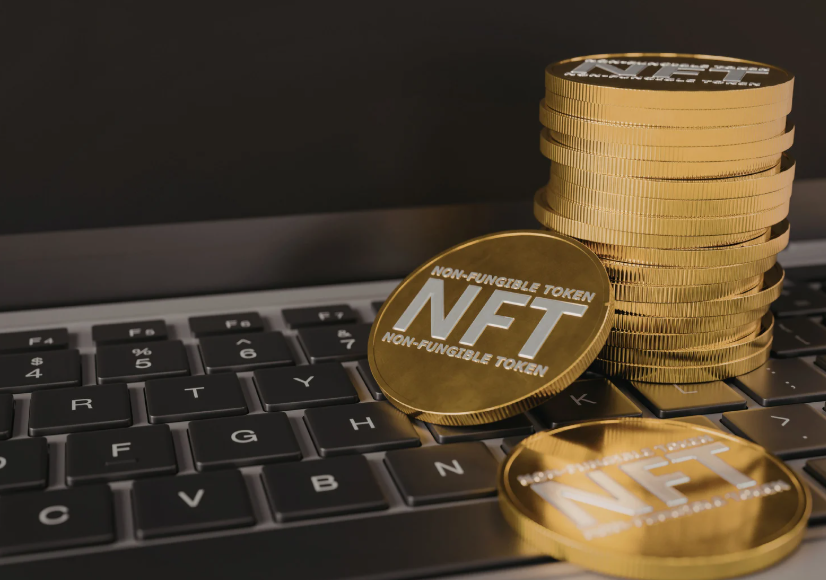
NFT branding strategy mistakes are silently damaging many promising projects. While creators focus on art, utility, or tokenomics, they often overlook positioning. As a result, visibility declines and engagement stalls. Therefore, branding must become a core priority, not an afterthought.
In today’s crowded digital marketplace, thousands of collections compete for attention. However, only a few break through the noise. The difference rarely lies in technology alone. Instead, it often comes down to identity, clarity, and consistency.
If your project struggles to gain traction, weak brand foundations may be the hidden cause.
Why Branding Determines NFT Project Survival
Digital assets rely heavily on perception. Because NFTs exist online, trust and recognition shape buyer decisions.
NFT branding strategy defines how your project communicates value. Without it, messaging becomes inconsistent. Consequently, potential collectors feel uncertain.
Strong positioning answers critical questions:
- What does the project stand for?
- Who is the target audience?
- Why does it exist?
- What makes it different?
When these answers remain unclear, marketing campaigns fail. Although short-term hype may generate temporary spikes, long-term growth requires brand cohesion.
Moreover, consistent branding builds emotional connection. Emotional engagement, in turn, drives loyalty.
Visibility Is Not Just About Marketing Spend
Many founders assume advertising solves visibility problems. However, paid traffic without brand clarity wastes resources.
NFT branding strategy aligns visuals, messaging, tone, and community voice. Therefore, every campaign reinforces recognition.
Without alignment, promotions confuse rather than attract.
The Cost of Inconsistent Identity
Inconsistent logos, mismatched color schemes, and unclear messaging weaken credibility. Even subtle inconsistencies reduce perceived professionalism.
NFT branding strategy ensures uniformity across:
- Website design
- Social media presence
- Discord communication
- Marketplace listings
- Whitepapers and roadmaps
When identity elements shift frequently, trust erodes.
Additionally, collectors evaluate legitimacy quickly. If branding appears rushed, buyers hesitate.
Trust Drives Secondary Market Strength
Secondary sales depend on sustained confidence. Projects with cohesive identity often maintain stronger resale value.
NFT branding strategy supports long-term demand by reinforcing recognition. Repetition builds familiarity, and familiarity increases comfort.
Therefore, clarity directly impacts liquidity.
Defining a Clear Value Proposition
Every successful project communicates a distinct value proposition. Although artwork may attract attention, deeper meaning retains collectors.
NFT branding strategy begins with purpose. Ask yourself:
- Does the project support a cause?
- Does it offer exclusive utility?
- Does it build a culture or lifestyle?
When purpose feels authentic, messaging resonates.
Furthermore, clear positioning helps differentiate from competitors. Because the NFT space is saturated, vague promises disappear quickly.
Target Audience Alignment
Not every NFT appeals to everyone. Therefore, define your ideal audience carefully.
NFT branding strategy requires understanding demographics, interests, and behavior patterns. For example:
- Are collectors primarily gamers?
- Are they art enthusiasts?
- Are they Web3 investors?
When messaging aligns with audience identity, engagement improves.
Conversely, broad and generic messaging dilutes impact.
Community Voice and Tone
Tone influences perception. Formal language creates authority. Casual language builds relatability.
NFT branding strategy should establish a consistent communication style. Every tweet, announcement, and update must reflect that tone.
Consistency builds a recognizable voice within crowded timelines.
Visual Cohesion and Design Systems
Visual identity forms the first impression. Therefore, design quality matters significantly.
NFT branding strategy includes:
- Logo development
- Color palette selection
- Typography standards
- Visual templates
- Brand guidelines
When these elements remain cohesive, recognition strengthens.
Moreover, professional design signals credibility. Although creativity matters, clarity must guide aesthetics.
Projects that invest in design often outperform those that neglect it.
Storytelling as a Growth Engine
Humans connect through stories. Consequently, storytelling becomes a powerful branding tool.
NFT branding strategy should incorporate a compelling narrative. This narrative may include origin, mission, or future vision.
When collectors feel part of a story, they develop emotional investment.
Additionally, storytelling differentiates your project from purely speculative offerings.
Roadmaps as Brand Reinforcement
Roadmaps communicate direction. However, they also reinforce brand identity.
NFT branding strategy ensures roadmap updates reflect core values. If a project emphasizes innovation, updates should highlight experimentation and evolution.
Aligned messaging strengthens credibility.
Social Proof and Authority Building
Visibility increases when credibility grows.
NFT branding strategy integrates partnerships, collaborations, and influencer validation carefully.
However, authenticity matters. Forced endorsements can harm reputation.
Instead, align with voices that genuinely reflect your brand values.
Furthermore, highlight milestones and achievements transparently.
Content Consistency Across Channels
Digital visibility depends on multi-channel presence. Therefore, consistency across platforms is essential.
NFT branding strategy ensures alignment between:
- Twitter threads
- Discord announcements
- Email newsletters
- Website updates
- Marketplace descriptions
When content tone shifts unpredictably, brand clarity weakens.
Regular publishing schedules also reinforce reliability.
Long-Term Positioning Beyond Mint Day
Many projects focus only on launch. However, sustainability requires ongoing identity reinforcement.
NFT branding strategy should extend beyond mint events. After launch, community building becomes central.
Host events, release updates, and engage members actively.
Projects that disappear after mint lose credibility quickly.
Evolving Without Losing Identity
Adaptation is healthy. Nevertheless, drastic changes can confuse supporters.
NFT branding strategy should evolve gradually while preserving core values.
Clear communication during transitions maintains trust.
Analytics and Brand Performance Tracking
Visibility metrics provide insight into branding effectiveness.
Track:
- Engagement rates
- Follower growth
- Website traffic
- Conversion rates
- Secondary market activity
NFT branding strategy improves when decisions rely on data.
If engagement drops, reassess messaging clarity.
Avoiding Common Branding Mistakes
Several recurring mistakes damage NFT visibility:
- Copying competitor aesthetics
- Overcomplicating messaging
- Ignoring community feedback
- Rebranding too frequently
- Overpromising roadmap features
NFT branding strategy succeeds when simplicity and authenticity guide decisions.
Additionally, transparency reduces skepticism.
Integrating Utility With Identity
Utility strengthens brand positioning when aligned properly.
NFT branding strategy should connect benefits with narrative. For example, if your project promotes creativity, offer creative tools or workshops.
When utility supports identity, cohesion improves.
Conversely, unrelated features dilute focus.
Building Brand Equity Over Time
Brand equity accumulates gradually. It requires consistency, transparency, and delivery.
NFT branding strategy builds equity through:
- Reliable communication
- Quality releases
- Community engagement
- Clear value alignment
Although growth may feel slow initially, strong foundations compound.
Projects that prioritize quick hype often fade. Meanwhile, brand-driven initiatives endure.
Conclusion: Strong Branding Sustains NFT Visibility
NFT branding strategy determines whether a project thrives or disappears. While art and technology matter, identity shapes perception.
Clarity attracts attention. Consistency builds trust. Authentic storytelling creates loyalty.
If visibility declines, revisit your foundation. Strengthen messaging. Align visuals. Define purpose clearly.
Ultimately, sustainable success in Web3 depends on brand integrity. Projects that invest in cohesive identity stand out, build stronger communities, and maintain long-term relevance.
FAQ
1. Why do many NFT projects struggle with visibility?
Many collections lack clear positioning and consistent messaging, which weakens recognition and trust.
2. How important is storytelling in digital collectibles?
Storytelling builds emotional connection, which encourages loyalty and long-term engagement.
3. Should branding evolve after launch?
Yes, but gradual changes preserve identity and prevent community confusion.
4. Does design quality affect resale value?
Professional visuals often increase credibility, which supports demand in secondary markets.
5. Can strong positioning replace paid advertising?
Clear identity improves organic growth and makes advertising efforts far more effective.