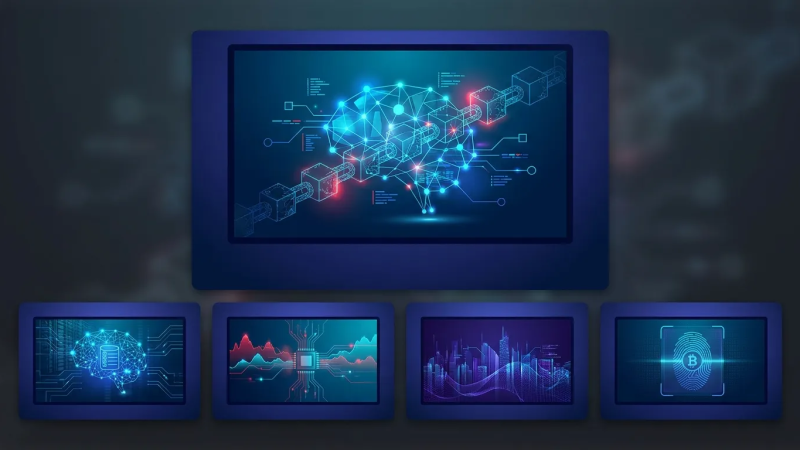
Future Portfolio Security Technology Trends Explained
As digital investing continues to expand, future portfolio security technology is becoming a central concern for investors worldwide. With more assets stored online and accessed through mobile devices, traditional security methods are no longer sufficient. As a result, new technologies are emerging to address evolving threats and protect portfolios more effectively.
At the same time, cyber risks are growing in complexity. Hackers are using advanced techniques to exploit vulnerabilities, making it essential for investors to stay ahead. Therefore, understanding future portfolio security technology helps you anticipate changes and adopt stronger protection strategies. This knowledge allows you to safeguard your investments while adapting to an increasingly digital financial landscape.
Why Security Innovation Is Driving The Next Investment Era
The rapid shift toward digital finance has made security innovation a priority. Future portfolio security technology is no longer just about preventing breaches; it is about building systems that can adapt and respond to threats in real time.
Investors now expect seamless access combined with strong protection. This demand is pushing platforms to develop smarter security solutions. For example, adaptive authentication systems can adjust security levels based on user behavior. This flexibility improves both safety and convenience.
Additionally, regulatory pressure is increasing. Financial institutions must comply with stricter standards, which encourages the adoption of advanced technologies. As a result, future portfolio security technology will continue to evolve in response to both user expectations and regulatory requirements.
Moreover, innovation is driven by competition. Platforms that offer better security attract more users, creating a cycle of continuous improvement. This dynamic ensures that security remains a key focus in the investment ecosystem.
The Rise Of Artificial Intelligence In Security Systems
Artificial intelligence is transforming how security systems operate. Future portfolio security technology relies heavily on AI to detect and prevent threats before they cause damage.
AI systems can analyze large amounts of data quickly. They identify patterns and anomalies that may indicate suspicious activity. For instance, unusual login attempts or transaction patterns can trigger alerts instantly. This proactive approach reduces the risk of unauthorized access.
Machine learning enhances these capabilities over time. As systems process more data, they become better at recognizing threats. This continuous improvement strengthens overall security.
Additionally, AI supports automated responses. When a threat is detected, systems can take immediate action, such as locking accounts or blocking transactions. This rapid response minimizes potential losses.
By integrating AI, future portfolio security technology becomes more dynamic and effective.
Biometric Authentication And Identity Protection
Biometric authentication is becoming a standard feature in modern security systems. Future portfolio security technology increasingly relies on unique physical traits to verify identity.
Fingerprints, facial recognition, and voice patterns provide strong protection against unauthorized access. Unlike passwords, these identifiers cannot be easily replicated. As a result, they offer a higher level of security.
Furthermore, biometric systems improve user experience. Authentication is quick and convenient, reducing friction for investors. This balance between security and usability is essential for widespread adoption.
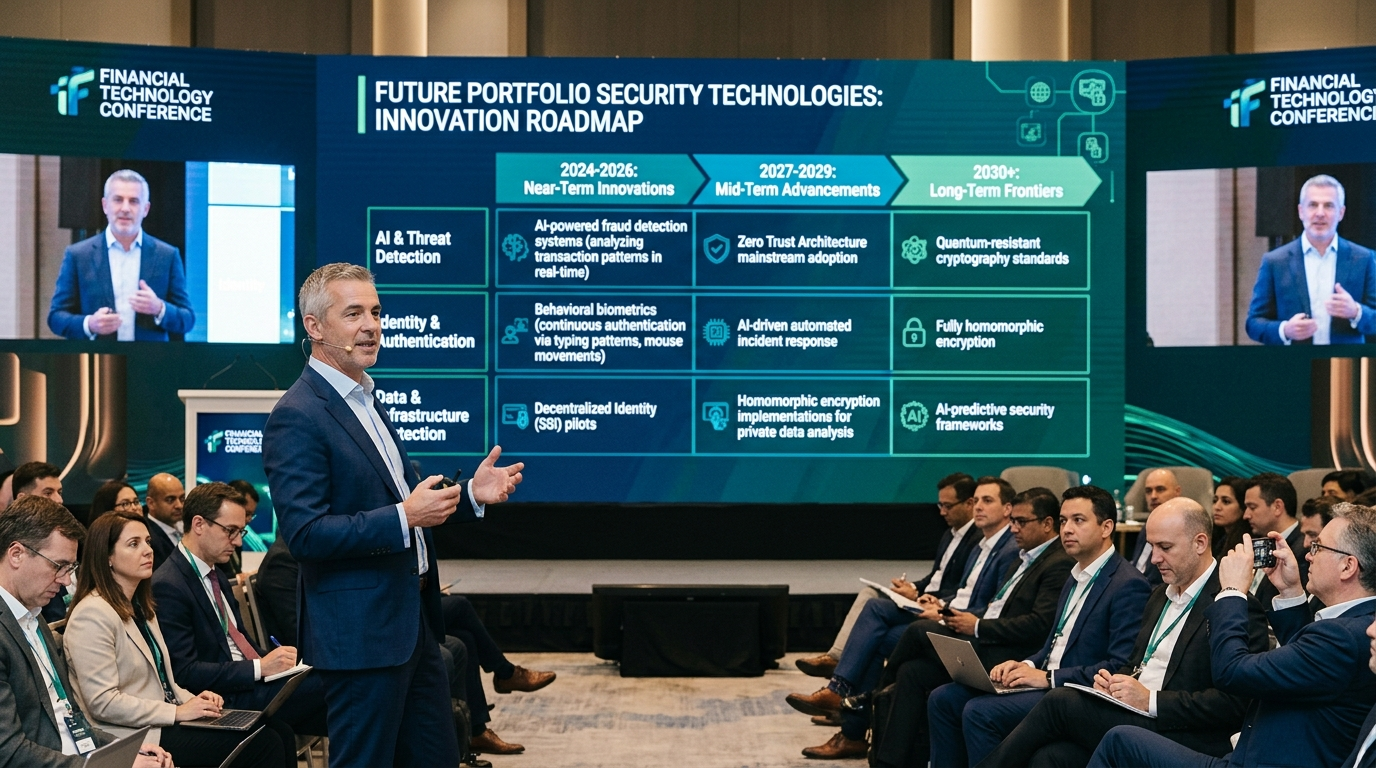
Behavioral biometrics is also gaining attention. These systems analyze patterns such as typing speed or navigation habits. By monitoring behavior continuously, they add an extra layer of protection.
As biometric technology advances, it will play a central role in securing digital portfolios.
Decentralized Security And Blockchain Integration
Blockchain technology is reshaping how security is implemented. Future portfolio security technology leverages decentralization to reduce reliance on single points of failure.
Decentralized systems distribute data across multiple nodes. This structure makes it harder for attackers to compromise the system. Even if one node is affected, the network remains secure.
Additionally, blockchain provides transparency. Transactions are recorded permanently, allowing users to verify activity بسهولة. This transparency enhances trust and accountability.
Smart contracts also contribute to security. They automate processes and reduce the need for intermediaries. When designed properly, they minimize human error and improve efficiency.
Moreover, decentralized identity solutions are emerging. These systems allow users to control their personal data, reducing exposure to centralized breaches.
By integrating blockchain, future portfolio security technology becomes more resilient and transparent.
The Role Of Multi-Layered Security Systems
Modern security requires a multi-layered approach. Future portfolio security technology combines various methods to create comprehensive protection.
Multi-factor authentication is a key component. It requires users to verify their identity through multiple steps. This approach reduces the likelihood of unauthorized access.
Encryption adds another layer of defense. It protects data by making it unreadable without proper authorization. Even if data is intercepted, it remains secure.
Network monitoring systems provide continuous oversight. They detect unusual activity and respond quickly to potential threats. This real-time monitoring enhances overall security.
Additionally, access controls ensure that only authorized individuals can interact with sensitive information. By limiting access, systems reduce the risk of misuse.
Combining these layers creates a robust security framework that adapts to evolving threats.
How User Behavior Influences Security Outcomes
User behavior plays a significant role in the effectiveness of security systems. Future portfolio security technology must account for human factors to provide complete protection.
Many breaches occur due to weak practices, such as using simple passwords or ignoring updates. Therefore, educating users is essential for improving security.
Platforms are increasingly incorporating user-friendly features that encourage safe behavior. For example, automatic updates and alerts help users stay informed about potential risks.
Additionally, personalization improves security. Systems can adapt to individual behavior patterns, identifying anomalies more accurately. This approach enhances detection and reduces false alarms.
By addressing human factors, future portfolio security technology becomes more effective and reliable.
Emerging Trends Shaping The Future Of Security
Several trends are shaping the evolution of future portfolio security technology. These developments reflect the need for more advanced and adaptable solutions.
Zero-trust architecture is gaining popularity. This approach assumes that no user or device is inherently trustworthy. Every access request is verified, reducing the risk of unauthorized activity.
Quantum-resistant encryption is another emerging trend. As quantum computing advances, traditional encryption methods may become vulnerable. New techniques are being developed to address this challenge.
Cloud security is also evolving. With more data stored in the cloud, protecting these environments is critical. Advanced monitoring and encryption tools are enhancing cloud-based security.
Additionally, real-time analytics are becoming standard. These systems provide instant insights into activity, allowing for quicker responses to threats.
By staying informed about these trends, investors can better prepare for future challenges.
Challenges In Implementing Advanced Security Solutions
Despite advancements, implementing future portfolio security technology comes with challenges. One major issue is cost. Developing and maintaining advanced systems requires significant investment.
Another challenge is complexity. As systems become more sophisticated, managing them becomes more difficult. This complexity can create new vulnerabilities if not handled properly.
User adoption is also a concern. Some individuals may resist new technologies due to unfamiliarity. Therefore, education and user-friendly design are essential.
Additionally, balancing security and convenience remains a challenge. While strong protection is necessary, overly restrictive measures can hinder usability. Finding the right balance is crucial for success.
By addressing these challenges, platforms can improve the effectiveness of their security systems.
Conclusion
The future of investing depends heavily on the ability to protect digital assets. Future portfolio security technology is evolving rapidly to meet this demand, offering new solutions that combine innovation with reliability. From artificial intelligence to biometric authentication, these advancements are reshaping how security is implemented.
As threats continue to evolve, staying informed and adaptable becomes essential. By understanding emerging technologies and adopting best practices, investors can protect their portfolios more effectively. While no system is completely risk-free, a proactive approach significantly reduces potential threats.
Ultimately, the future of portfolio security lies in continuous improvement and innovation. By embracing these changes, investors can navigate the digital landscape with confidence and achieve long-term success.
FAQ
- Why is advanced security important for digital portfolios?
Advanced security protects assets from evolving cyber threats and ensures safe access to investment platforms. - How does artificial intelligence improve portfolio security?
AI detects unusual activity, analyzes data, and responds to threats in real time. - Are biometric systems safe for securing investments?
Biometric systems provide strong protection by using unique physical traits that are difficult to replicate. - What is multi-factor authentication in financial security?
It is a method that requires multiple verification steps to confirm a user’s identity. - What trends will shape the future of investment security?
Key trends include AI integration, decentralized systems, and advanced encryption technologies.