Asset Tokenization Growth: The $23 Billion RWA Revolution
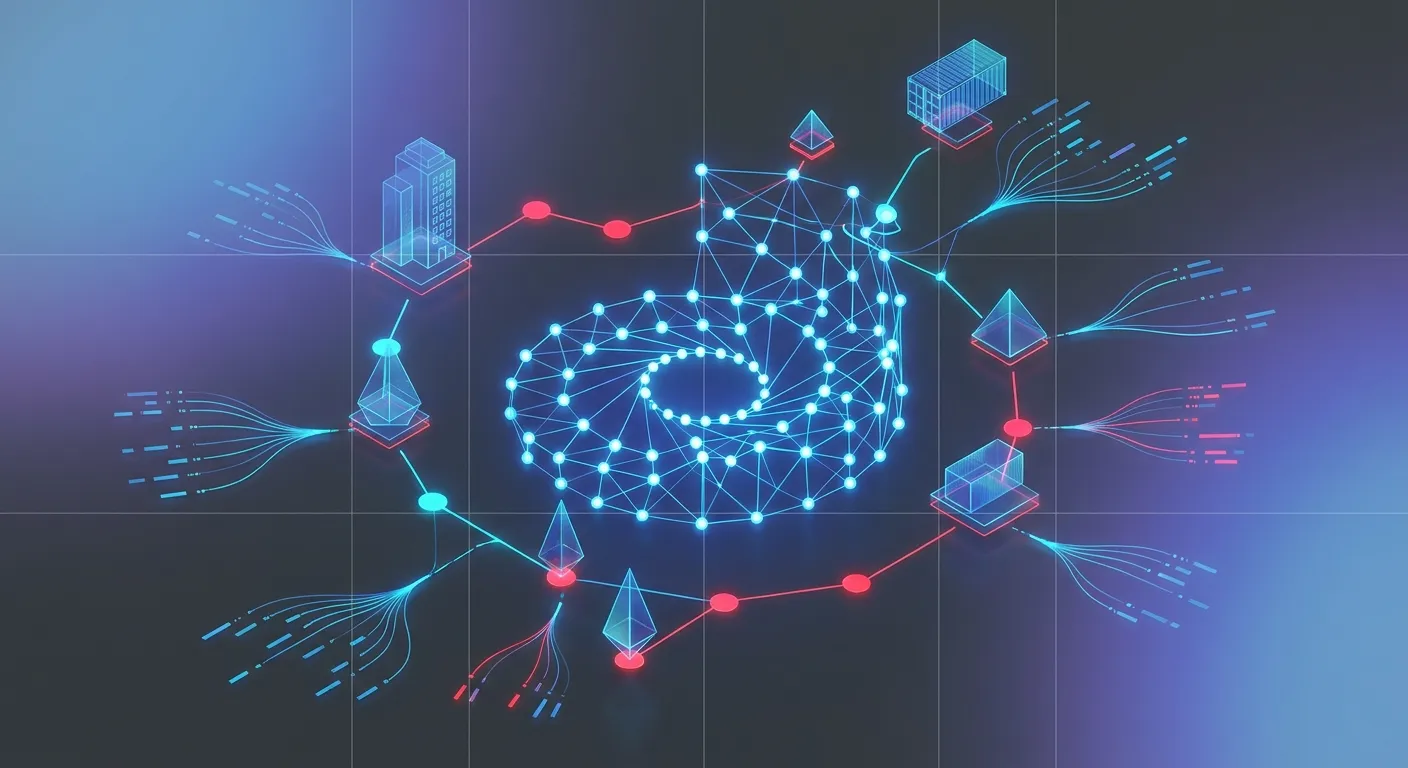
The digital asset landscape is continually evolving, presenting new avenues for investment and technological innovation. Among the most transformative developments is the accelerating asset tokenization growth, particularly in the realm of real-world assets (RWAs). This shift is moving beyond experimental pilots to production-grade infrastructure, fundamentally reshaping how we perceive and interact with traditional financial instruments. For crypto investors seeking tangible value and diversification, understanding this revolution is paramount. This article explores the forces driving tokenization and its immense potential.
From Concept to Concrete: The Rise of Tokenized RWAs
Asset tokenization has reached a critical inflection point. What was once a theoretical concept is now manifesting as robust, verifiable on-chain systems. The first half of 2025 witnessed an astounding surge, with tokenized real-world assets growing by over 260% to approximately $23 billion. This significant expansion signals a robust market demand and increasing confidence in the underlying blockchain technology.
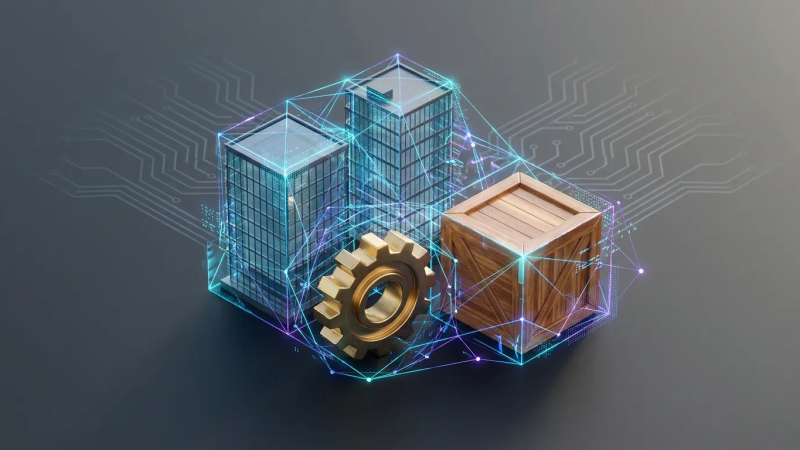
This growth encompasses a diverse range of assets. We are seeing the tokenization of government bonds, offering fractional ownership and increased liquidity. On-chain money market funds provide new avenues for yield generation, while tokenized private credit and real estate open up historically illiquid markets to a broader investor base. This transformation democratizes access to assets traditionally reserved for institutional players, fostering a more inclusive financial ecosystem.
Driving Forces Behind Tokenized Asset Expansion
Several key factors are propelling the expansion of tokenized assets. Firstly, the ongoing dollar debasement risk continues to drive demand for monetary alternatives and stable, tangible investments. Tokenized RWAs offer a compelling solution, providing exposure to real-world value while benefiting from the efficiency and transparency of blockchain technology.
Secondly, regulatory clarity, while still evolving, is increasingly supporting broader adoption. As jurisdictions provide clearer guidelines for digital securities and tokenized assets, institutional and advised wealth investors are gaining the confidence to allocate capital to these innovative products. This regulatory maturation is crucial for mainstream acceptance and further investment into real world asset tokenization.
The Intersection of AI and Blockchain: A New Frontier
The convergence of AI and blockchain technology is also playing a pivotal role in accelerating digital asset fractionalization. AI models are being utilized to enhance the efficiency, security, and analysis of tokenized assets, creating autonomous, verifiable on-chain systems. This synergy is not merely theoretical; it’s creating new financial products and services that were previously unimaginable. Furthermore, the immense computational power of AI can identify and mitigate risks associated with tokenized portfolios, thereby improving investor confidence. This integration ultimately streamlines the entire lifecycle of a tokenized asset, from issuance to trading and settlement.
Benefits for Investors and Institutions
The benefits of the tokenization of real assets extend across various stakeholders. For individual investors, the primary advantage is enhanced accessibility. Previously, investing in high-value assets like commercial real estate or fine art was out of reach for many. Tokenization breaks these assets into smaller, more affordable units, allowing for fractional ownership. Consequently, this lowers the barrier to entry and promotes a more diversified investment portfolio.
Moreover, digital representation of assets significantly improves liquidity. Traditional illiquid assets can be traded on secondary markets around the clock, reducing settlement times and transaction costs. This efficiency is particularly appealing to institutional investors who manage large portfolios and seek agile investment strategies. For example, some institutions are exploring how institutional crypto investing lessons for wealth can be applied to the RWA sector.
Institutions also benefit from increased transparency and programmability. Blockchain ledgers provide an immutable record of ownership and transactions, drastically reducing fraud and administrative overhead. Smart contracts can automate various processes, such as dividend distribution or compliance checks, leading to greater operational efficiency. This level of automation and transparency is a substantial upgrade from traditional financial systems.
Challenges and Overcoming Hurdles in RWA Tokenization
Despite the promising outlook, the journey of tokenized asset expansion is not without its challenges. Regulatory uncertainty remains a significant hurdle in many jurisdictions. While some regions are making progress, a globally harmonized framework for digital securities is still distant. This fragmentation can create complexities for cross-border transactions and limit market participation.
Another challenge involves the legal enforceability of tokenized ownership. Ensuring that a digital token genuinely represents a legal claim to an underlying physical asset requires robust legal frameworks and clear jurisdictional precedents. Without this, the perceived security of tokenized assets could be undermined. Furthermore, technological interoperability between different blockchain networks and traditional financial systems needs continuous development. Addressing these issues is vital for the sustained growth of asset tokenization.
The integration of RWAs into DeFi protocols also presents unique complexities. As discussed in RWA DeFi Integration Creates Confusion for Users, navigating the technical and regulatory nuances can be challenging for new participants. Similarly, understanding RWA yield generation and why users get confused highlights the need for clearer educational resources and streamlined user interfaces.
The Role of Stablecoins and Central Bank Digital Currencies (CBDCs)
Stablecoins play a crucial role in the ecosystem of tokenized assets. They provide a stable medium of exchange, bridging the gap between volatile cryptocurrencies and traditional fiat currencies. By offering price stability, stablecoins facilitate smoother transactions and reduce the risk associated with market fluctuations when dealing with tokenized real-world assets. Consequently, they enhance the utility and appeal of these digital assets for everyday use and large-scale settlements.
Furthermore, the emergence of Central Bank Digital Currencies (CBDCs) could significantly impact the future of tokenization. CBDCs, issued and backed by central banks, would offer a secure and regulated digital form of fiat currency. Their adoption could provide a robust and trusted settlement layer for tokenized securities, potentially accelerating institutional adoption and fostering even greater asset tokenization growth. This integration would further legitimize digital assets within the traditional financial system.
Future Outlook: Projections for Tokenized Real-World Assets
The trajectory for tokenized real-world assets points towards continued exponential growth. Analysts predict that the total value of tokenized assets could reach trillions of dollars in the coming decade. This projection is driven by increasing institutional interest, technological advancements, and a maturing regulatory environment. Major financial institutions are already exploring or implementing tokenization strategies for various asset classes, from commodities to private equity.
Looking ahead, we can anticipate more sophisticated tokenization platforms that offer enhanced features like automated compliance, advanced analytics, and seamless integration with existing financial infrastructures. The synergy between AI and blockchain will also evolve, leading to more intelligent and efficient management of tokenized portfolios. Ultimately, the expanding landscape of tokenized assets promises a more efficient, transparent, and inclusive global financial system. This ongoing revolution in asset tokenization growth will redefine investment opportunities for everyone.
The potential for asset tokenization growth remains vast, impacting various sectors globally. Industries like real estate, art, and even intellectual property are poised for significant disruption through tokenization. This allows for new business models and investment vehicles that were previously unfeasible. The shift towards a more digitally native financial system is undeniable, and tokenized assets are at its forefront.
As this market matures, we will likely see specialized platforms emerge catering to specific asset classes, offering tailored solutions for token issuance, management, and trading. The demand for clear legal frameworks and robust technological standards will only intensify, ensuring investor protection and market integrity. For more news and insights on these developments, visit the Coin Best News blog.
Conclusion
The $23 billion revolution in real-world asset tokenization is more than a trend; it represents a fundamental paradigm shift in finance. From enhancing liquidity and accessibility to fostering greater transparency and efficiency, tokenized assets are poised to reshape investment landscapes globally. While challenges related to regulation and interoperability persist, the driving forces of technological innovation and increasing investor demand indicate a bright future. The continued asset tokenization growth will undoubtedly create unprecedented opportunities for both individual and institutional investors, marking a new era of digital finance. To stay informed on these critical market shifts, be sure to regularly check CoinBestNews — Crypto News, Altcoins & Blockchain Insights.
Frequently Asked Questions About Tokenized Assets
What exactly are tokenized real-world assets?
Tokenized real-world assets (RWAs) are digital representations of tangible assets like real estate, commodities, or even intellectual property, stored on a blockchain. These tokens represent ownership or fractional ownership of the underlying physical asset, bringing traditional assets into the digital economy.
How does asset digitization benefit investors?
Digitizing assets offers several benefits to investors. It increases liquidity for traditionally illiquid assets, enables fractional ownership, reduces transaction costs and settlement times, and enhances transparency through blockchain’s immutable ledger. This democratizes access to various investment opportunities.
What role does blockchain play in the RWA revolution?
Blockchain technology provides the foundational infrastructure for the RWA revolution. It ensures security, transparency, and immutability of ownership records. Furthermore, it enables smart contracts to automate processes like dividend payments and compliance, making the management of these digital assets highly efficient.
Are there any risks associated with investing in digital RWAs?
Like any investment, digital RWAs carry risks. These include regulatory uncertainty in different jurisdictions, the need for robust legal frameworks to ensure enforceability of ownership, and technological risks related to smart contract vulnerabilities or platform security. Investors should conduct thorough due diligence.
How will AI impact the future of real asset tokenization?
AI is expected to significantly enhance real asset tokenization by improving efficiency, security, and analysis. AI models can optimize trading strategies, identify potential risks, and streamline compliance processes. This synergy will lead to more sophisticated and autonomous management of tokenized portfolios, accelerating this market’s expansion.