NFT Creator Burnout From Constant Innovation
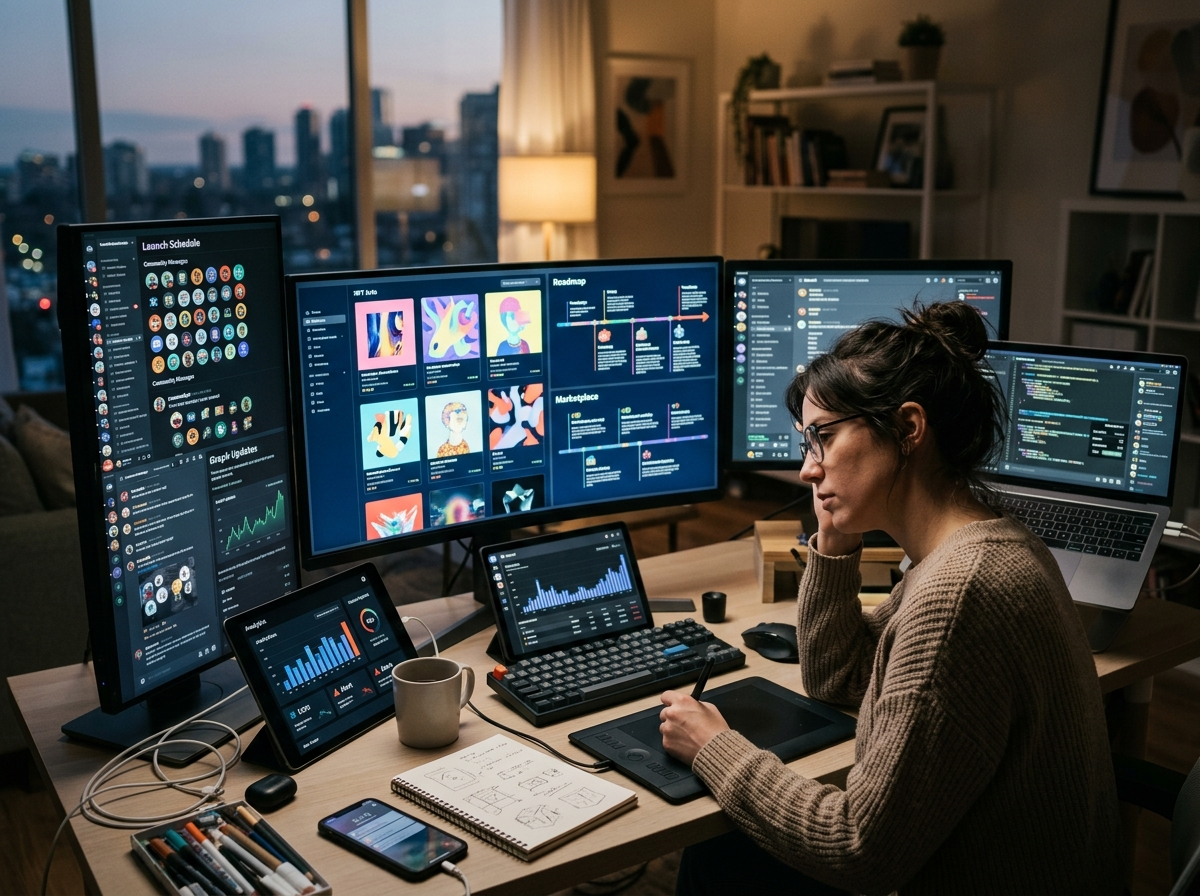
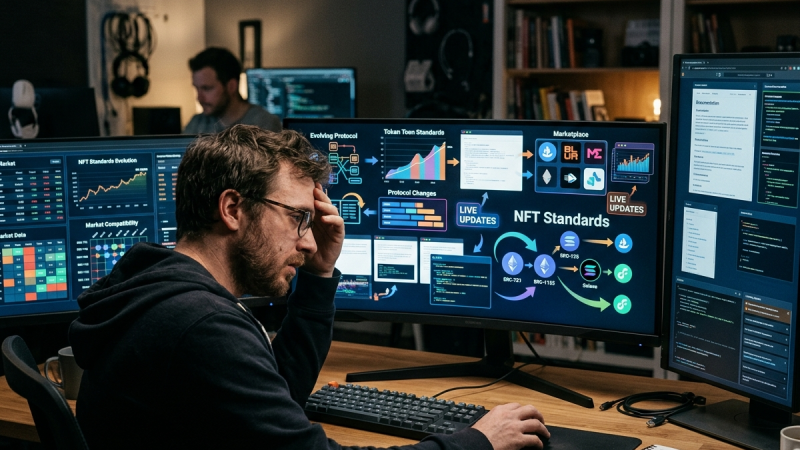
NFT creator burnout is becoming a serious issue as artists, builders, and project founders face constant pressure to innovate faster than they can realistically sustain. At first, NFTs gave creators a new way to sell digital work, connect with supporters, and build direct communities. However, the space quickly became more demanding. Now, many creators feel expected to offer utility, manage Discord channels, explain smart contracts, plan roadmaps, launch collaborations, provide holder rewards, and keep up with every new trend. What began as a creative opportunity can start to feel like a nonstop business, technology, and community management race.
The pressure is especially difficult because NFT audiences often expect rapid progress. Buyers want updates, holders want benefits, and communities want proof that a project is still alive. At the same time, marketplaces keep evolving, social platforms reward constant posting, and new projects make bigger promises every week. As a result, creators may feel that their art alone is no longer enough. They are pushed to become strategists, marketers, developers, moderators, and customer support teams while still producing original work.
Why Innovation Pressure Became So Intense
The NFT market changed quickly because early hype created high expectations. During strong market cycles, projects that added roadmaps, utility, token rewards, gaming ideas, or exclusive communities often received more attention. This encouraged other creators to copy similar models, even when those models did not fit their work. Over time, innovation became less of a choice and more of an expectation.
NFT creator burnout often starts when creators feel forced to keep expanding their project beyond its original purpose. A visual artist may launch a collection, then suddenly face questions about future drops, physical merch, token-gated access, staking, events, metaverse spaces, or licensing rights. These ideas can be useful in the right context, but they can also become overwhelming when added without a plan.
The market also rewards novelty. New mechanics and new promises often attract short-term attention. However, attention does not always equal sustainable value. Creators who chase every trend may gain temporary visibility, but they can lose focus. They may spend more time reacting to market demands than deepening their creative identity.
This creates a painful tension. Creators want to remain relevant, yet constant innovation can pull them away from the work that made people care in the first place.
How Community Expectations Add Pressure
NFT communities can be powerful, supportive, and energizing. A strong group of holders can help creators grow, share work, and build long-term trust. However, communities can also create pressure when expectations become too intense. Holders may ask for frequent updates, new benefits, floor price support, partnerships, and constant engagement.
NFT creator burnout can grow when creators feel they must always be available. Many project founders spend hours answering questions, calming concerns, responding to criticism, or explaining delays. Even when the community is respectful, the emotional workload can be heavy. When the market turns negative, that pressure can increase sharply.
Creators may also feel responsible for holder financial outcomes. If prices fall, some buyers may blame the team or creator, even when broader market conditions are the main reason. This can make creators feel trapped between artistic goals and investor expectations. Instead of building a meaningful project, they may feel forced to manage market emotions.
Healthy communities need boundaries. A creator should not have to provide endless access to prove commitment. Clear communication schedules, realistic expectations, and honest project scopes can reduce pressure. Without those boundaries, even passionate creators can become exhausted.
Why Utility Demands Can Become Unsustainable
Utility became popular because buyers wanted NFTs to offer more than images. Access, experiences, physical products, game features, commercial rights, education, and community benefits can all create value. However, utility can also become a burden when creators promise more than they can deliver.
NFT creator burnout often appears when utility turns into a never-ending checklist. A project may start with art, then add events, merch, private calls, future drops, and digital tools. Each benefit requires planning, communication, delivery, and support. If the creator works alone or with a small team, the workload can become unrealistic.
Not every project needs complex utility. Some NFT collections are strongest when they focus on art, story, culture, or collector relationships. A simple benefit delivered consistently can create more trust than an ambitious roadmap filled with uncertain features. The problem is that creators may feel embarrassed to keep things simple when the market celebrates bigger promises.
Utility should match the creator’s capacity. If a benefit cannot be delivered without harming creative energy, it may not be worth offering. Sustainable value matters more than impressive announcements.
The Hidden Work Behind Every NFT Project
Many buyers see the final artwork, mint page, or marketplace listing. They may not see the hidden work behind the project. Creators often handle file preparation, metadata, pricing, royalties, community setup, marketing, wallet security, legal questions, collaborations, and post-launch support. Each task can take more time than expected.
NFT creator burnout can come from this invisible workload. Unlike traditional art sales, NFT projects often require ongoing involvement after the purchase. Holders may expect updates for months or years. A creator who thought they were releasing a collection may realize they have launched a long-term digital brand.
Technical details add another layer. Creators must understand smart contracts, chain selection, marketplace rules, metadata storage, wallet safety, and token-gated tools. Even when platforms make minting easier, the decisions still matter. A poor setup can affect future rights, access, royalties, and project flexibility.
The emotional work is just as real. Creators must maintain confidence during slow sales, negative comments, market downturns, and changing trends. This constant pressure can drain creative motivation. Over time, the project can start to feel less like art and more like a public performance.
How Market Saturation Makes Burnout Worse
The NFT space is crowded. New collections, tools, platforms, and creator launches appear constantly. This makes it harder for any one project to stand out. Even talented creators may struggle to gain attention because buyers are overwhelmed by choices.
NFT creator burnout becomes worse when creators feel they must shout louder to be noticed. They may post more often, promise more features, discount their work, or chase collaborations that do not fit their vision. Instead of creating from a place of focus, they begin creating from anxiety.
Market saturation also creates comparison pressure. A creator may look at larger teams with bigger budgets and feel inadequate. Those teams may offer polished trailers, games, merch, influencer campaigns, and elaborate roadmaps. Independent creators may feel they must compete with that, even though their resources are completely different.
This comparison is dangerous. A small project can be successful without copying a large brand. However, creators need confidence in their own scale. A focused collector community may be healthier than a large, demanding audience that expects constant expansion.
Why Buyers Also Feel the Confusion
Creators are not the only ones affected. Buyers also feel overwhelmed by constant innovation. Every project seems to offer a different mix of art, utility, rights, rewards, and future plans. This makes it hard to understand what actually matters. When buyers feel confused, they ask more questions, demand more clarity, and become more cautious.
NFT creator burnout can increase when creators must repeatedly explain basic project details. If the market lacks shared standards, every creator has to educate buyers from scratch. They must explain what holders receive, what they do not receive, how benefits work, and what risks remain. This communication is necessary, but it adds time and emotional pressure.
Buyer skepticism also affects creators. After seeing projects overpromise and underdeliver, many buyers become less trusting. A creator with honest intentions may still face doubt because the wider market has created fatigue. This can make launches harder and communication more defensive.
Clear documentation helps. A simple benefits page, rights summary, roadmap status, and update schedule can reduce confusion. The clearer the project is, the less energy the creator spends answering the same concerns.
The Problem With Always Being Online
NFT culture often rewards constant online presence. Creators may feel they need to post daily, join spaces, answer Discord messages, reply to comments, share updates, and monitor market sentiment. This creates a work rhythm with few natural breaks.
NFT creator burnout can develop when creators confuse visibility with value. Being online can help build trust, but it should not replace actual creative work. If a creator spends most of their time managing attention, the quality of the work may suffer. That can hurt both the creator and the community.
Social platforms also amplify emotional highs and lows. Positive comments can feel motivating, while criticism can feel personal. During market downturns, online spaces may become tense. A creator who absorbs that mood every day may struggle to maintain perspective.
Boundaries are essential. Creators can set office hours, update days, moderation rules, and response expectations. They can also use newsletters, project pages, and scheduled posts to reduce real-time pressure. A creator does not need to be constantly available to be reliable.
How Creators Can Build More Sustainable Projects
Sustainable NFT projects begin with realistic scope. Before launching, creators should decide what they can deliver consistently. They should also identify what they will not offer. Clear limits are not a weakness. They protect trust and prevent disappointment.
NFT creator burnout can be reduced when creators design projects around their natural strengths. An artist may focus on limited collections and collector experiences. A musician may offer private listening sessions or early releases. A writer may build token-gated essays or workshops. The best utility often comes from the creator’s actual creative practice.
Creators should also avoid promising features only because holders request them. Community input can be valuable, but not every request should become a roadmap item. Each idea should be tested against time, budget, skill, and long-term purpose. If it does not fit, saying no may be the healthiest decision.
A project can also grow in phases. Instead of announcing everything at once, creators can deliver one clear benefit, learn from the response, and then expand carefully. This builds trust while keeping the workload manageable.
Why Teams Need Better Roles and Support
Some NFT projects grow beyond what one person can handle. When that happens, creators need support. This may include moderators, developers, designers, community managers, legal advisors, or operations help. Without support, the creator may become the bottleneck for every task.
NFT creator burnout often happens when the founder carries everything alone. They make the art, manage the brand, answer the community, solve technical issues, plan future benefits, and handle criticism. Even highly motivated people can struggle under that load.
Clear roles help. A community manager can handle routine updates. A moderator can protect healthy discussion. A developer can manage technical tools. A strategist can help prioritize. Support does not remove the creator’s voice. It gives that voice more space to focus on creative direction.
Budget matters too. Projects should not promise long-term services without funding them. If a project needs ongoing support, that cost should be considered before launch. A realistic budget can prevent later stress.
How Platforms Can Reduce the Burden
Marketplaces and minting platforms can help reduce creator stress by offering better education and simpler tools. Many creators do not need more complicated features. They need clearer guidance on royalties, metadata, rights, supply size, pricing, and holder communication.
NFT creator burnout is partly a platform design issue. If tools make launching easy but do not help creators plan responsibly, many people will launch projects they are not ready to manage. Better onboarding could help creators understand the long-term responsibilities of an NFT collection.
Platforms could also provide clearer utility labels, rights summaries, and project update templates. This would reduce the communication burden on creators and help buyers understand what they are buying. Better standards can make the market healthier.
Creator dashboards could track workload as well as sales. For example, platforms could help creators manage holder benefits, update schedules, claims, and community announcements. Tools that reduce admin work can protect creative energy.
A Healthier View of NFT Innovation
Innovation should not mean constant expansion. It should mean better alignment between technology, creativity, and audience needs. Sometimes innovation is a new smart contract feature. Other times, it is a clearer collector experience, a simpler ownership model, or a more honest communication style.
NFT creator burnout reminds the market that creators are people, not content machines. They need time to think, experiment, rest, and make meaningful work. If the ecosystem demands endless output, it may damage the very creativity it depends on.
A healthier model values depth over speed. Creators can build slowly, communicate clearly, and deliver intentionally. Buyers can support realistic projects instead of demanding endless benefits. Platforms can promote transparency instead of constant hype.
The NFT space does not need to stop evolving. It needs to evolve in a way that creators can survive. Sustainable innovation is not slower because it lacks ambition. It is slower because it respects the people doing the work.
Conclusion
NFTs gave creators new ways to sell work, build communities, and connect directly with supporters. However, constant innovation demands have also created pressure that many artists and founders were never prepared to carry. The expectation to offer utility, manage communities, explain technology, and keep delivering new benefits can turn creative freedom into exhaustion.
NFT creator burnout is a sign that the market needs better boundaries, clearer standards, and more realistic expectations. Creators should not feel forced to copy every trend or promise features they cannot sustain. Buyers should understand that strong projects need time, focus, and human limits. Platforms should make it easier to launch responsibly, not just quickly.
The future of NFTs will be stronger if it supports creators instead of draining them. Sustainable projects can still be ambitious, but they must be built around clarity, capacity, and trust. When creators protect their energy, they can produce better work, communicate more honestly, and build communities that last beyond the next innovation cycle.
FAQ
1. Why are NFT creators feeling overwhelmed?
Many creators feel overwhelmed because they must manage art, technology, marketing, community updates, utility promises, and holder expectations at the same time.
2. Does every NFT project need utility?
No, not every project needs complex utility. Some projects are strongest when they focus on art, story, access, culture, or collector relationships.
3. How can creators avoid burnout?
Creators can avoid burnout by setting clear limits, planning realistic benefits, building in phases, getting support, and avoiding trend-based promises.
4. Why do communities add pressure?
Communities can add pressure when holders expect constant updates, new benefits, price support, and direct access to the creator or team.
5. What makes an NFT project more sustainable?
A sustainable project has a clear purpose, realistic roadmap, honest communication, manageable workload, and benefits that match the creator’s capacity.