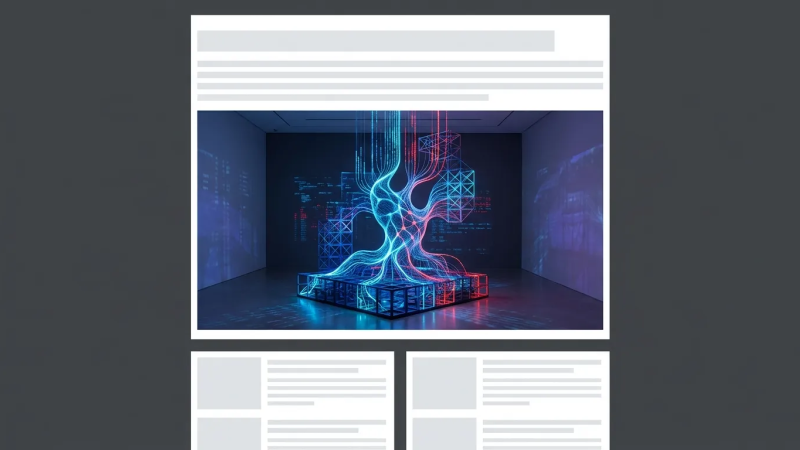
Virtual Classrooms Metaverse and the Future of Education

Virtual classrooms in the metaverse are redefining what it means to learn, connect, and grow in a digital world. Instead of staring at flat screens or reading long text-based lessons, students can now step into immersive learning spaces that feel alive. These environments make education more interactive, social, and memorable. They give students the ability to explore concepts as if they were physically present inside the lesson.
Although traditional online learning expanded access to education, it often lacked engagement. Many students felt disconnected, isolated, or uninspired. The metaverse changes this dynamic entirely. It brings students into 3D environments where learning becomes a shared experience, not a passive one. You don’t just read about ideas—you enter them.
In this article, we’ll explore how virtual classrooms in the metaverse are transforming education. You’ll see how immersive environments boost engagement, strengthen collaboration, and bridge global gaps. You’ll also learn how this new approach prepares students for a future where digital skills and virtual interaction are essential.
Why Virtual Classrooms in the Metaverse Matter Now
The world is becoming more digital every year. Workplaces, schools, and communities rely on online tools more than ever. Yet many platforms still fall short of creating a sense of presence. Virtual classrooms in the metaverse solve this problem by replicating the physical classroom experience—sometimes even improving it.
Students feel like they’re sharing the same space, even when they’re far apart. They can move, gesture, and interact naturally. This sense of presence boosts motivation because it mirrors human behavior more closely than video calls ever could.
Metaverse technology also makes learning more dynamic. Teachers can design lessons with interactive visuals, realistic simulations, and immersive environments. These experiences deepen understanding because they activate curiosity and emotion.
With global learning shifting quickly, virtual classrooms provide a solution that blends flexibility, creativity, and connection. They prepare students for a future where hybrid and digital-first education become the norm.
Immersive Learning Experiences That Feel Real
One of the biggest advantages of virtual classrooms in the metaverse is immersion. Students feel like they’re inside the lesson. This level of interaction sparks curiosity and makes learning more enjoyable.
Imagine learning about marine biology by diving into a virtual ocean. Picture studying geometry by manipulating 3D shapes in real time. Think about exploring ancient civilizations by walking through realistic historical environments. These experiences create emotional impact, making the information easier to remember.
Immersion also helps students stay focused. Traditional online learning often leads to distractions, but virtual environments pull students into the moment. They become active participants rather than passive viewers.
Lessons become stories. Concepts turn into worlds. Learning transforms into an experience that students look forward to rather than endure.
How Virtual Classrooms Enhance Student Engagement
Engagement determines whether students truly learn or simply skim through material. Virtual classrooms in the metaverse use interactive elements to keep learners involved from start to finish.
Students can:
- Interact with 3D objects
- Participate in simulations
- Collaborate in real-time environments
- Engage in hands-on virtual activities
- Explore lesson materials freely
These interactions create a deeper sense of ownership. When students control their experience, they feel more invested. This active involvement improves comprehension and retention.
Moreover, gamification becomes easier in metaverse environments. Teachers can add challenges, rewards, and progress markers that make learning fun. These elements create momentum and encourage consistent participation.
Because engagement is one of the biggest obstacles in online learning, virtual classrooms offer a powerful solution. They turn static lessons into lively, memorable journeys.
Stronger Collaboration Through Presence and Interaction
Humans learn best together. Collaboration sparks creativity, strengthens understanding, and builds confidence. Yet traditional online platforms often limit collaboration because interaction feels stiff or unnatural.
Virtual classrooms in the metaverse change that. Students can gather in virtual spaces, brainstorm ideas, and work on group projects with realistic movements and gestures. They can form groups, explore environments, and interact as if they were physically present.
This type of collaboration deepens social bonds. It builds trust and encourages teamwork. Students become part of a learning community rather than isolated individuals working alone behind screens.
Because collaboration is essential for modern careers, metaverse classrooms help students develop workplace-ready communication skills. They learn how to work together, share ideas, and solve problems in digital spaces—skills that translate directly to future jobs.
Practical Skill Development Through Virtual Simulation
Some skills are dangerous, expensive, or difficult to practice in real life. Virtual classrooms provide safe, repeatable simulations that let students practice until they feel confident.
For example:
- Medical students can perform virtual procedures
- Engineering students can assemble and test machines
- Pilots can run flight simulations
- Language learners can practice conversations in realistic environments
- Public speaking students can present to virtual audiences
These simulations mimic real-world challenges while removing physical risks or limitations. Students can repeat scenarios as often as they need. Each attempt builds confidence and skill.
Virtual practice encourages experimentation. Students can test strategies, make mistakes, and learn through hands-on exploration. This kind of experiential learning prepares them for real-world challenges better than memorization or observation.
Global Access and Inclusion Through Virtual Environments
Education becomes stronger when everyone can participate. Virtual classrooms in the metaverse remove barriers that once limited access to quality learning. Students from around the world can join the same classroom without expensive travel or relocation.
Additionally, students with disabilities benefit from customizable learning environments. Interfaces can be adjusted for vision, mobility, and audio needs. These tools create a more inclusive experience for everyone.
Because metaverse classrooms are flexible, students can learn at their own pace. They can review material, explore lessons independently, or receive one-on-one support. This adaptability helps students who may struggle in traditional settings.
Although hardware and connectivity remain challenges, solutions are improving. As access expands, virtual classrooms will continue to open doors for diverse learners across the globe.
How Teachers Thrive in the Metaverse
Teachers play a central role in the success of virtual classrooms. The metaverse empowers educators with tools that make lessons more dynamic, creative, and personalized.
Teachers can:
- Build custom learning environments
- Create simulations and interactive scenes
- Monitor student progress in real time
- Personalize instruction for different skill levels
- Facilitate collaboration through group activities
These tools turn lessons into creative storytelling opportunities. Instead of relying on slides or text-heavy modules, educators design experiences that feel alive.
Teachers also have more control over pacing. They can guide students through environments, pause activities, adjust challenges, and answer questions privately. This flexibility helps teachers meet diverse learning needs without overwhelming themselves.
Furthermore, metaverse classrooms reduce classroom management issues. Students are engaged, active, and focused. This frees teachers to support deeper learning rather than constantly redirect attention.
Lifelong Learning and Professional Development in the Metaverse
The future of work demands continuous learning. Skills evolve rapidly, and professionals must adapt. Virtual classrooms in the metaverse support lifelong learning by offering flexible, immersive experiences that busy adults can join from anywhere.
Corporate training is also shifting into the metaverse. Companies are creating virtual training grounds where employees can practice leadership, customer service, safety procedures, or technical tasks. These environments provide realistic simulations without real-world consequences.
Professionals can join global workshops, attend virtual conferences, or collaborate with colleagues in digital spaces. Because learning is social and interactive, adults stay motivated and engaged.
The metaverse transforms professional development from a passive task into an active skill-building experience.
Social and Emotional Learning in Virtual Classrooms
Education is not only about academics. Social and emotional growth matters just as much. Virtual classrooms in the metaverse support this growth by offering safe environments for communication, collaboration, and self-expression.
Avatars help students express themselves creatively. Group activities encourage empathy and teamwork. Teachers can design environments that support emotional regulation, mindfulness, and positive interaction.
Students who may feel shy or anxious in traditional classrooms can gain confidence in virtual environments. They participate more, speak up more often, and take leadership roles without fear of judgment.
This emotional support helps students build confidence that carries into real life.
Challenges in Metaverse-Based Education
Although virtual classrooms offer incredible potential, they come with challenges. Hardware can be expensive. Internet access varies across regions. Teachers need training to use new tools effectively.
Schools must also address privacy, safety, and content moderation. Students need protection in digital spaces, just as they do in physical ones.
Designing high-quality experiences requires time and planning. If environments are poorly created, students may feel overwhelmed or confused. Balance is essential. Technology should support learning, not replace it.
Despite these challenges, solutions are emerging as the technology evolves.
The Future of Education in the Metaverse
As metaverse platforms grow, virtual classrooms will become a standard part of global education. Students will blend in-person lessons, digital learning, and immersive experiences seamlessly. Teachers will use virtual tools to enrich lessons, not replace traditional methods.
Imagine a future where every classroom includes:
- Virtual field trips to historical and scientific worlds
- Immersive project-based learning environments
- Personalized learning paths adapted to each student
- Global collaboration among diverse learners
- Realistic simulations that build practical skills
The metaverse will not replace education. It will elevate it. It will expand what’s possible and bring creativity, connection, and experience back into digital learning.
Conclusion
Virtual classrooms in the metaverse are reshaping the future of education by making learning more immersive, engaging, and inclusive. They blend creative environments, interactive lessons, and global collaboration to create rich learning experiences. As technology evolves, these virtual spaces will support both academic and emotional growth, preparing students for a future where digital skills are essential. The next era of education is here, and it’s more interactive, human, and exciting than ever.
FAQ
1. What are virtual classrooms in the metaverse?
They are immersive digital learning spaces where students engage through avatars and interactive environments.
2. How do virtual classrooms improve engagement?
They use 3D interaction, simulations, and presence to keep students active and focused.
3. Can virtual classrooms support practical skills?
Yes, simulations allow students to practice tasks safely and repeatedly.
4. Are virtual classrooms accessible to all students?
They improve access, though hardware and internet limitations still pose challenges.
5. Will virtual classrooms replace traditional schools?
No, they will complement traditional education by adding immersive and interactive experiences.