
Gaming Future Metaverse How It’s Being Shaped Today
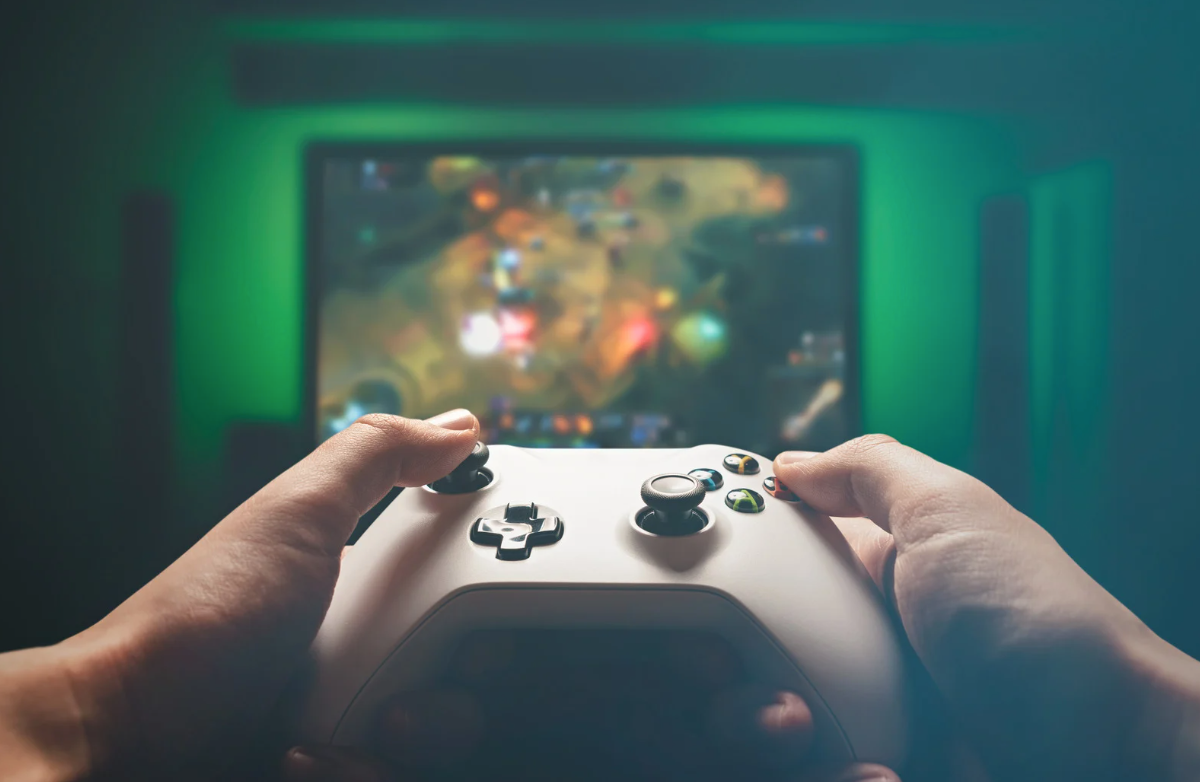
The connection between gaming and the future metaverse is deeper than most people realize. While the metaverse is still evolving, gaming is already driving much of its growth. If you’ve explored any virtual world, attended a live digital event, or created an avatar online, you’ve experienced how gaming influences the metaverse. Because gamers have spent decades building virtual identities, social networks, and economies, they’ve unknowingly prepared the world for what the metaverse is becoming today.
Gaming doesn’t just inspire the metaverse—it defines it. Games introduced us to immersive 3D worlds long before the word “metaverse” became popular. They taught people how to navigate virtual spaces, communicate through avatars, collaborate on missions, and create meaningful digital lives. Today, the metaverse uses these foundations to build something much bigger than any single game. It blends entertainment, social interaction, creativity, commerce, and digital ownership into a connected experience.
The gaming future metaverse is not just about play. It’s about how virtual worlds reshape communication, work, education, entertainment, and identity. In this article, we’ll explore how gaming shapes the metaverse, why game mechanics influence digital progress, and what the future of virtual worlds looks like through the lens of gaming.
Why Gaming Is the Foundation of the Metaverse
To understand why gaming plays such a major role, you have to look at how people use virtual environments. Long before the term “metaverse” gained popularity, gamers were already creating the blueprint for immersive digital worlds.
Games taught the world how to navigate virtual reality. They introduced the concept of digital ownership through skins, items, and currencies. They demonstrated how communities could grow inside virtual spaces. These experiences became the building blocks for the future metaverse.
Gaming also provides something essential: engagement. Virtual worlds fail without active participation, and no industry understands engagement better than gaming. Because gamers demand fun, interactivity, and personalization, the metaverse must meet those expectations to survive.
As a result, the gaming future metaverse continues evolving with systems inspired by decades of game design.
How Gaming Is Shaping the Future Metaverse Through World-Building
One of gaming’s biggest contributions is world-building. Players step into environments that feel alive, dynamic, and filled with stories. These worlds become more than digital maps—they become communities.
The metaverse expands on this concept. Instead of one game world, it includes a collection of interconnected spaces where people explore, work, learn, and socialize. Yet the foundation remains the same. The gaming future metaverse depends on immersive environments skilled designers know how to create.
Living, Breathing Virtual Worlds
Game developers create lush landscapes, reactive environments, and meaningful interactions. The metaverse builds on this by offering persistent virtual worlds that never pause. These spaces evolve even when users log off, shaping experiences that feel more like alternate realities.
Player Agency
Gaming gives players control. They explore at their own pace, make decisions, and change the environment. The metaverse must offer the same freedom. Because people expect agency, the metaverse becomes a place where actions matter. Whether you’re building a home, attending an event, or managing virtual land, your choices create your experience.
Shared Social Spaces
Games like Roblox, Fortnite, and Minecraft show how communities grow around shared spaces. The future metaverse will follow this model by becoming social first, not technology first. People come for the environment but stay for the community.
Gaming perfected the art of world-building. The metaverse simply takes those lessons and scales them across industries.
Game Mechanics Are Driving Interaction in the Future Metaverse
Games rely on mechanics—rules, goals, systems—that make play fun. The metaverse adopts these mechanics to guide interaction. Without them, virtual worlds feel empty.
Reward Systems
Games use reward systems to encourage progress. The metaverse uses similar systems to drive engagement, whether through digital badges, achievements, or collectible NFTs. These rewards motivate exploration, learning, and participation.
Quests and Missions
Although the metaverse isn’t a game, quests help structure activities. Educational platforms use missions to teach new skills. Work-based metaverses use task systems to encourage productivity. Brands host scavenger hunts to boost engagement. All of these ideas come from gaming.
Leveling and Progression
Games reward time and effort with levels. The future metaverse uses this model for reputation, skills, and community participation. The more active you are, the more opportunities you unlock.
Economies Inspired by Virtual Items
Gaming introduced digital items long before blockchain existed. Skins, weapons, pets, emotes, and gear formed billion-dollar industries. Today, the metaverse uses similar models through virtual land, digital fashion, and NFT collectibles.
Game mechanics create structure, purpose, and fun. Without them, the metaverse would become a static collection of rooms instead of a thriving ecosystem.
Players Are Building the Culture That Defines the Metaverse
Culture drives the metaverse just as it drives the gaming community. Gamers form identities, norms, and shared language through years of play. These traditions carry into the future metaverse, shaping how people communicate and behave.
Avatar Identity
Gamers have always cared about avatars. Whether it’s a Fortnite skin or a World of Warcraft character, avatars express personality. The metaverse turns avatar identity into a digital lifestyle. People create versions of themselves that match their aspirations.
Social Interaction
Games teach players teamwork, cooperation, and conflict resolution. These skills shape how people behave in the metaverse. Virtual friendships often feel as real as offline ones because they evolve through shared experiences.
Player Creativity
Modern metaverse platforms rely on user-generated content. Roblox, The Sandbox, and Minecraft show how players become creators, designers, and world-builders. This creativity defines the metaverse as much as the technology behind it.
Events and Virtual Gatherings
Gamers have been gathering online for years—raids, tournaments, guild meetings, and conventions. The future metaverse expands this with concerts, classes, festivals, and business events.
Gaming built the culture. The metaverse amplifies it.
The Role of Digital Ownership in Shaping the Future Metaverse
Gaming helped normalize digital ownership long before blockchain arrived. Items, skins, and currencies taught players that digital goods could hold value. The metaverse now expands this concept with true ownership through NFTs and blockchain assets.
Item Ownership Evolves
In traditional games, players own items only inside that game world. The metaverse introduces assets you can trade, sell, or carry across worlds. This shift turns digital items into real property.
Virtual Real Estate
Owning land in a metaverse game echoes the virtual housing systems found in older games. Players enjoy building spaces that reflect their identity. The metaverse elevates this with marketplaces, rentals, events, and long-term investment potential.
Creator Economies
Gamers already buy and sell mods, skins, and digital assets. The metaverse expands this economy by allowing creators to build full-time careers selling experiences, art, and services.
Digital ownership is redefining value. Gaming planted the idea; the metaverse is making it real.
Technological Advances from Gaming Are Powering the Metaverse
Many technologies that drive the future metaverse come directly from gaming. Advancements in graphics, network performance, AI, physics engines, and VR all began with game development.
Virtual Reality and Immersion
VR gaming paved the way for metaverse immersion. Games taught developers how to reduce motion sickness, optimize performance, and design intuitive controls. These improvements make metaverse VR far more enjoyable.
Graphics Engines
Unreal Engine, Unity, and other game engines power metaverse worlds. Their lighting, physics, and animation systems make experiences feel lifelike.
AI and NPC Interactions
Game AI helps create intelligent characters. The metaverse uses this technology to build interactive guides, trainers, and companions.
Multiplayer Infrastructure
Online games perfected matchmaking, lag reduction, and real-time interaction. The metaverse requires the same technologies at a larger scale.
Gaming technology didn’t just inspire the metaverse—it created the foundation for it.
How Gaming Communities Are Shaping the Future Metaverse Economy
The metaverse economy is enormous, and gaming laid the foundation for every element of it.
Digital Currencies in Games Became the Model
Games introduced gold, credits, tokens, and in-game shops. The metaverse uses similar systems, enhanced with blockchain.
Players Understand Value Through Experience
Gamers intuitively grasp scarcity, rarity, supply, and demand because they’ve traded items for years. This understanding makes them natural participants in digital economies.
Play-to-Earn Models Started in Games
The first true play-to-earn systems came from metaverse-style games. They proved that virtual effort can generate real income.
Creator Revenue Became Central
Games taught players that creators deserve rewards. The metaverse expands this into a full creator economy where builders earn through virtual businesses.
The gaming future metaverse thrives because players understand digital economies better than anyone else.
Games Are Preparing the World for a Fully Connected Future Metaverse
The future metaverse will blend all aspects of life—work, play, learning, and social interaction. Gaming is preparing society for that transformation.
Gamers Already Live in Virtual Worlds
They attend events, meet friends, buy items, and build communities online.
People Are Comfortable With Avatars
Games normalized the idea that your online identity can be an extension of yourself.
Collaboration Feels Natural Online
Gamers solve problems together, making virtual collaboration feel effortless.
Virtual Careers Are Becoming Real
Content creators, streamers, digital artists, and game developers built careers inside virtual worlds long before the metaverse expanded.
These habits make the transition into a broader metaverse smoother.
What the Future Metaverse May Look Like Through a Gaming Lens
Looking ahead, gaming will continue shaping the future metaverse in several major ways.
More Immersive Worlds
Expect hyper-realistic environments powered by next-gen graphics and VR.
Cross-World Identity
Players may carry one avatar across multiple metaverse platforms.
More User-Generated Content
Creators will shape most experiences, making the metaverse feel endlessly diverse.
AI-Driven Worlds
NPCs will behave more intelligently, making virtual societies feel alive.
Blended Real and Digital Experiences
Concerts, classes, workplaces, and games will merge into unified digital spaces.
Interoperable Economies
Assets may work across games, creating a unified economy.
Gaming isn’t just shaping the future metaverse—it is the metaverse’s foundation.
Conclusion
Gaming is shaping the future metaverse in every possible way. It influences virtual worlds, digital culture, technology, economies, and social interaction. Without gaming, the metaverse wouldn’t exist in the form we recognize today. As virtual worlds continue evolving, gaming will remain the guiding force showing how people want to live, play, and connect in the digital universe. The future metaverse will feel like the biggest game ever created—full of creativity, freedom, exploration, and opportunity.
FAQ
1. Why is gaming so important to the metaverse?
Gaming introduced immersive worlds, digital identities, and social online culture, which define the metaverse.
2. Will all metaverse experiences feel like games?
Not exactly, but many will use game-like elements to make experiences engaging.
3. How do games influence metaverse technology?
Game engines, VR systems, AI, and online multiplayer tools all power modern metaverse platforms.
4. Can gaming help people adapt to metaverse work and education?
Yes. Gaming teaches digital communication, teamwork, and problem-solving that apply to metaverse environments.
5. Will gaming continue shaping the future metaverse?
Absolutely. Gaming will remain the creative and technological core of virtual world development.