What Are NFTs: A Beginner’s Complete Guide
Introduction: Why Everyone Talks About NFTs
You’ve probably heard the buzz. Digital art sells for millions, celebrities launch NFT collections, and headlines scream about this new technology. But what are NFTs really? This guide breaks it all down in plain English, helping you understand how NFTs work, why they matter, and what risks they carry.
What Are NFTs?
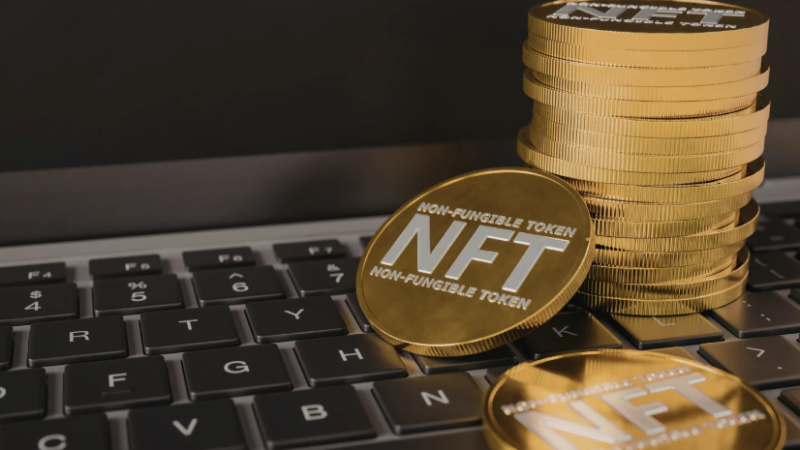
NFT stands for Non-Fungible Token. It’s a unique digital asset that proves ownership of something — often art, music, collectibles, or virtual real estate. Unlike cryptocurrencies like Bitcoin, which are interchangeable, NFTs are one-of-a-kind.
How NFTs Differ From Cryptocurrencies
Cryptocurrencies are fungible. One Bitcoin equals another Bitcoin. NFTs, however, are non-fungible. Each carries distinct metadata, making it unique. Think of Bitcoin as dollars and NFTs as autographed baseball cards — similar in form, but each with unique value.
The Technology Behind NFTs
NFTs are powered by blockchain technology. They live on decentralized networks like Ethereum, Solana, or Polygon. Smart contracts record ownership, transfer history, and other details that make NFTs verifiable and secure.
Why NFTs Became So Popular
NFTs exploded in 2021. Beeple’s artwork sold for $69 million at Christie’s. Suddenly, NFTs shifted from niche tech to mainstream culture. Their popularity comes from combining digital ownership with scarcity — two things the internet often lacked.
Types of NFTs You Should Know
- Digital Art: Paintings, drawings, and digital creations
- Collectibles: Trading cards, avatars, and limited-edition items
- Music and Videos: Exclusive releases from artists
- Gaming Assets: Skins, weapons, or virtual land in games
- Virtual Real Estate: Plots of land in platforms like Decentraland
How to Buy NFTs
Buying NFTs is simple once you know the steps:
- Get a digital wallet like MetaMask or Trust Wallet
- Add cryptocurrency (usually Ethereum)
- Connect to an NFT marketplace such as OpenSea or Rarible
- Select your NFT and complete the purchase
How to Sell NFTs
NFT owners can resell their assets on marketplaces. Set your price or auction the NFT, and if someone buys, the blockchain records the transfer. Many artists also earn royalties from future resales.
Popular NFT Marketplaces
- OpenSea: The largest and most popular platform
- Rarible: Community-driven with easy minting tools
- SuperRare: Focused on exclusive digital art
- NBA Top Shot: Sports collectibles from the NBA
- Decentraland: Virtual real estate and assets
NFTs in Gaming and the Metaverse
NFTs revolutionize gaming by letting players own their assets. Instead of renting items inside games, you truly own them. In the metaverse, NFTs represent land, avatars, or even fashion, giving users control over digital identity.
The Benefits of NFTs
- Ownership: Verifiable proof of digital assets
- Royalties: Artists earn on every resale
- Scarcity: Limited editions boost value
- Interoperability: NFTs can move between platforms
These benefits attract both creators and collectors.
The Risks and Challenges of NFTs
Despite the hype, NFTs come with risks:
- Market Volatility: Prices can rise or crash quickly
- Environmental Concerns: Some blockchains consume high energy
- Scams and Frauds: Fake collections can trap beginners
- Lack of Regulation: Legal protections are still unclear
Understanding these risks helps you avoid costly mistakes.
NFTs and Intellectual Property
Owning an NFT doesn’t always mean owning copyright. Many buyers mistakenly think they can reproduce or sell the artwork itself. In reality, NFT ownership often means you own the token linked to the art, not the full rights.
NFTs as Investments: Hype or Reality?
NFTs can be profitable but also risky. Some early investors made fortunes, while others lost money in market downturns. The safest approach is to view NFTs as digital collectibles, not guaranteed investments.
How to Create Your First NFT
Creating, or “minting,” an NFT is easier than you think:
- Choose a blockchain (Ethereum, Polygon, etc.)
- Create digital art or content
- Connect your wallet to a marketplace
- Upload the file and mint the NFT
Voila — your NFT is live on the blockchain.
Future of NFTs: Where They’re Headed
NFTs are expanding beyond art. Real estate deeds, event tickets, medical records, and even academic diplomas could become NFTs. The future suggests a world where NFTs prove ownership of nearly everything.
Conclusion: Unlocking the NFT World
So, what are NFTs? They’re unique digital assets stored on blockchains, reshaping how we view ownership and creativity online. While risks exist, NFTs are more than just a trend. They’re a glimpse into the future of digital life. For beginners, the best step is to explore, learn, and decide how this new technology fits into your world.
FAQ
1. What are NFTs in simple words?
NFTs are unique digital tokens that prove ownership of things like art, music, or virtual land.
2. How do NFTs make money?
People buy and sell NFTs on marketplaces, and creators may earn royalties from resales.
3. Are NFTs and cryptocurrencies the same?
No. Cryptocurrencies are interchangeable, while NFTs are unique and non-fungible.
4. Do I need crypto to buy NFTs?
Yes. Most NFTs require cryptocurrency like Ethereum to purchase.
5. Can NFTs be copied?
The image or file can be copied, but only the blockchain record — the NFT — proves true ownership.