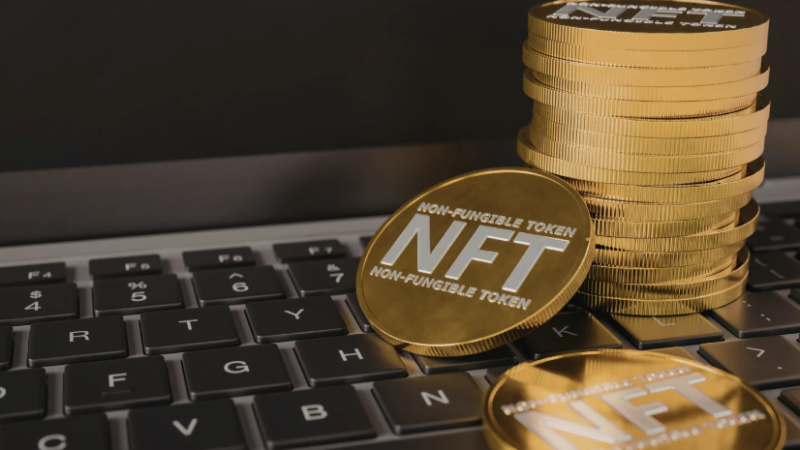
NFT Sports Industry Transformation Explained Simply

NFT sports industry transformation is happening faster than many people expected. Not long ago, digital collectibles were a niche concept. Now they are breaking records, reshaping fan interaction, and opening new revenue streams for teams, leagues, and athletes. NFTs aren’t just digital art; they’re powering a complete shift in how fans connect with the sports world. As a result, the entire industry is experiencing one of the most exciting evolutions in its history.
Sports have always relied on loyalty, emotion, and community. People love feeling closer to their favorite teams and athletes. NFTs amplify that connection by giving fans something they’ve never had before—verifiable digital ownership. Whether it’s a unique highlight clip, a virtual trading card, or access to exclusive experiences, NFTs deliver value in ways that traditional sports memorabilia never could.
In this article, we’ll explore the full scope of NFT sports industry transformation. You’ll learn why NFTs matter, how they enhance fan engagement, and what they mean for athletes, teams, investors, and the future of sports entertainment.
Why NFT Sports Industry Transformation Is More Than a Trend
Many trends rise and fall quickly. NFTs, however, are creating structural change across the sports landscape. They bring blockchain’s transparency, security, and scarcity to an industry built on collectibles, community, and passion. Because these elements fit so naturally together, NFTs have gained traction quickly.
Unlike traditional merchandise, NFTs are programmable. They can include unlockable content, VIP access, rewards, digital experiences, and long-term benefits. This flexibility allows leagues and teams to innovate in ways that weren’t possible before.
Additionally, NFTs provide permanent ownership. Once a fan buys an NFT, its authenticity is guaranteed by blockchain technology. This eliminates counterfeits, which have been a huge issue in the sports memorabilia world for decades.
Therefore, the NFT sports industry transformation isn’t just a phase. It’s a lasting shift fueled by technology, demand, and the emotional value of sports.
NFTs Create a New Level of Fan Engagement
Fan engagement sits at the heart of the sports business. Teams and leagues thrive when fans stay emotionally connected. NFTs amplify engagement by turning passive spectators into active participants. As fans buy, trade, and collect digital assets, they become part of the story.
Imagine owning a digital highlight of your favorite athlete scoring a game-winning goal. Now imagine that owning this NFT gives you perks like:
- Early access to tickets
- Exclusive digital content
- Virtual meet-and-greets
- Voting rights on team-related decisions
- Special merchandise drops
NFT sports industry transformation deepens the fan experience by merging digital ownership with real-world benefits. Fans feel valued. They feel closer to their heroes. They gain opportunities that once only existed for premium club members or elite collectors.
Digital Collectibles Are Becoming the New Trading Cards
Trading cards have been a sports fan tradition for decades. Their digital evolution makes perfect sense. NFT trading cards offer everything physical cards provide—rarity, excitement, and nostalgia—minus the risk of damage or loss.
Furthermore, digital cards come with added advantages:
- Verifiable rarity
- Instant transfers
- Lower storage costs
- Global market access
- Enhanced artwork and animations
This shift is one of the clearest examples of NFT sports industry transformation. The marketplace for digital cards has exploded, with platforms offering tokens that commemorate seasons, milestones, and historic moments. Fans who once collected plastic-wrapped packs now collect blockchain-secured assets.
Athletes Can Monetize Their Personal Brands Directly
For athletes, NFTs represent an entirely new revenue stream. They no longer need intermediaries to connect with fans or monetize their image. Instead, they can create NFT collections that reflect their personality, achievements, and creativity.
Athletes benefit from:
- Direct fan support
- Long-term royalties through smart contracts
- Ownership of their digital likeness
- More control over brand partnerships
- New ways to express identity
This is especially impactful for athletes outside major leagues or sports with smaller audiences. Because NFTs allow direct-to-fan monetization, even emerging athletes can earn substantial income by offering limited-edition digital assets.
Additionally, athletes can reward NFT holders with exclusive perks such as video messages, training tips, or behind-the-scenes content. These experiences enhance personal connection and encourage fans to remain loyal.
Teams Are Using NFTs for Ticketing and Membership
Ticketing has always been vulnerable to counterfeiting, fraud, and unfair resales. Blockchain technology fixes many of those issues. This is why NFT ticketing is quickly becoming an essential part of the NFT sports industry transformation.
NFT tickets offer:
- Authentic verification
- Built-in access perks
- Ability for fans to collect tickets as keepsakes
- Transparent resale markets
- Direct revenue for teams on secondary sales
Teams can even reward fans who attend multiple games by offering NFT badges or loyalty tokens. These badges can unlock discounts, VIP access, or exclusive content. As a result, teams build stronger relationships with their most dedicated supporters.
Moreover, NFT memberships can replace traditional fan clubs. Instead of monthly payments, fans can own a membership token that grants ongoing benefits and may even increase in value over time.
Historic Moments Gain New Life as Digital Highlights
One of the biggest catalysts for NFT sports industry transformation is the rise of digital highlight NFTs. These tokens capture unforgettable moments from games, preserving them as digital collectibles with verifiable ownership.
Imagine watching a legendary dunk, home run, or game-winning shot—and knowing you own the NFT that represents it. These highlight moments are:
- Rare
- Tradable
- Immune to damage
- Authenticated by blockchain
- Immersive through video formats
Because highlights are core to sports culture, this use case resonates deeply with fans. It transforms passive memories into collectible assets.
Metaverse Sports Events Are Expanding Fan Experiences
The metaverse is another major driver of NFT sports industry transformation. Fans can now experience sports in virtual worlds, attend events digitally, and interact with athletes in new ways.
Metaverse integrations include:
- Virtual stadiums
- Interactive fan lounges
- Customizable avatars wearing team NFTs
- Virtual watch parties
- NFT-based access to premium areas
These immersive environments bring global fans together, even if they live thousands of miles apart. As digital participation grows, NFTs become the backbone of identity, access, and ownership within metaverse sports ecosystems.
NFTs Strengthen Loyalty Through Gamified Experiences
Gamification is another major trend shaping the NFT sports industry transformation. Fans love competing, earning rewards, and climbing leaderboards. NFTs make these experiences more meaningful by giving participants real value.
Examples include:
- Fantasy sports leagues that use NFTs for team ownership
- Play-to-earn games themed around sports
- NFT challenges that reward holders with new drops
- Leaderboards tied to collectible achievements
By combining gameplay with blockchain-based ownership, teams and organizations create addictive engagement loops that encourage fans to stay active long-term.
Sports Brands Are Integrating NFTs Into Merchandising
Brands are racing to join the NFT movement because it enhances merchandising. Instead of selling only physical items, organizations now pair merchandise with NFTs.
Popular combinations include:
- Digital jerseys
- Limited-edition NFT sneakers
- NFT posters with animated designs
- Bundles that include physical and digital items
These hybrid products strengthen brand identity and add value to traditional merchandise. As consumers grow more comfortable with digital goods, these offerings will likely increase.
NFTs Open New Opportunities for Sponsorships and Advertising
Sponsorship is a major revenue source in sports. NFTs offer sponsors innovative ways to reach fans. Brands can create sponsored collectibles, metaverse experiences, or interactive rewards tied to real events.
Because NFTs offer transparent ownership and ongoing visibility, brands gain long-term exposure. Even as NFTs are traded, the brand remains associated with the asset. This is a powerful form of digital advertising.
Sponsors also benefit from gamified campaigns, NFT airdrops, and exclusive digital experiences that deepen fan interaction.
Investors Are Exploring NFTs as a New Sports Asset Class
NFT sports industry transformation extends beyond fans—it also impacts investors. Sports-related NFTs are becoming a legitimate asset class. Investors now treat digital collectibles the same way they treat rare physical memorabilia.
Investment opportunities include:
- Rare NFT trading cards
- Iconic highlight clips
- Athlete signature NFTs
- Limited-edition virtual merchandise
- NFT tickets with collectible value
However, investors must approach carefully. Although some assets appreciate quickly, others may lose value. Diversification, research, and risk management remain essential.
Athlete Performance Data and Digital Identity Are Emerging Use Cases
NFTs aren’t just about collectibles. They’ll increasingly represent athlete data, performance stats, and digital identities. Imagine owning NFT-backed analytics or motion-capture assets from your favorite athlete. This next wave of innovation could reshape sports science and coaching.
Furthermore, youth athletes may soon use NFTs to store verified performance history. Scouts, teams, and brands could use these tokens to evaluate talent more accurately. Because blockchain guarantees data integrity, the records remain tamper-proof.
Challenges Facing NFT Sports Industry Transformation
Despite enormous potential, challenges remain. The industry must address sustainability concerns, market volatility, and regulatory updates. Additionally, onboarding must become easier so that everyday fans can participate without confusion.
Key challenges include:
- Environmental concerns on certain blockchains
- Price speculation
- Scams and fake NFTs
- Legal uncertainty
- Limited technical education among fans
As the technology matures, these challenges will likely diminish. Many blockchains are already adopting eco-friendly solutions, and regulations are evolving to protect consumers.
The Future of NFT Sports Industry Transformation
The future of NFTs in sports looks incredibly promising. As technology advances, NFTs will become standard across ticketing, merchandising, fandom, and athlete branding. Virtual events will become more immersive. Digital collectibles will grow more interactive. Ownership will become more meaningful.
NFTs are positioning themselves as the bridge between traditional sports culture and the digital era. They unlock a new world where fans connect with their favorite athletes in ways once unimaginable.
Conclusion
NFT sports industry transformation is reshaping how fans, athletes, teams, and investors interact with digital assets. From digital collectibles and NFT tickets to metaverse events and athlete-driven tokens, NFTs are creating deeper engagement, new revenue streams, and exciting opportunities for innovation. As the sports industry continues to evolve, NFTs will remain a key force driving creativity, community, and connection in the digital age.
FAQ
1. What are NFTs in the sports industry used for?
They are used for digital collectibles, ticketing, memberships, highlight clips, and exclusive fan experiences.
2. How do NFTs benefit athletes?
Athletes earn direct revenue, build personal brands, and connect closely with fans.
3. Are NFT sports collectibles valuable?
Some are highly valuable due to rarity, demand, and historical significance.
4. Can fans use NFTs for real-world access?
Yes. Many NFT tickets and memberships grant access to events, rewards, or VIP experiences.
5. Will NFTs continue to grow in sports?
Yes. As adoption increases, NFTs will become a major part of fan engagement and digital sports innovation.