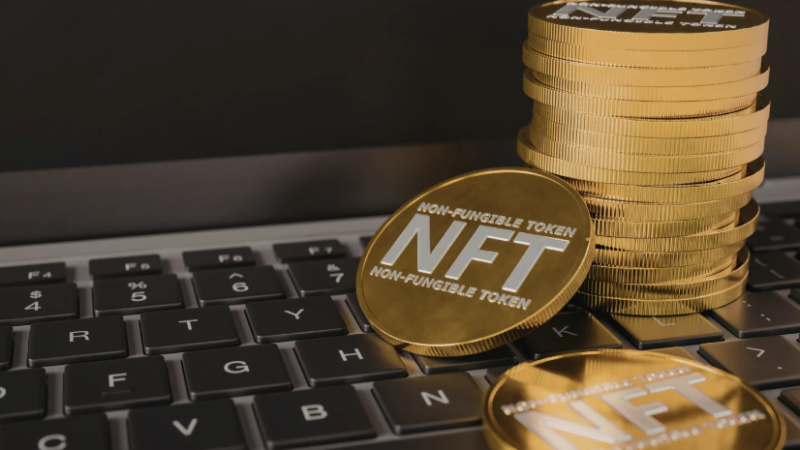
NFT Securities Law Changes: Why Projects Are Falling Behind

NFTs once felt like the wild west of digital ownership. Artists minted freely. Communities formed overnight. Innovation moved faster than paperwork. Then attention shifted. Regulators stepped in. Suddenly, NFT securities law changes became impossible to ignore.
For many projects, this moment arrived without a map. Teams built creative ecosystems, not compliance departments. As rules evolved, confusion followed. What qualifies as a security? Who is responsible? Which jurisdiction applies?
Because answers remain inconsistent, NFT projects struggle to keep pace. The result is hesitation, risk, and in some cases, collapse.
Why Securities Laws Matter to NFT Projects
Securities laws exist to protect investors. They ensure transparency, accountability, and fairness. Traditionally, these laws applied to stocks, bonds, and investment contracts.
NFTs challenge these definitions. Some function as collectibles. Others promise utility, revenue sharing, or appreciation. When financial expectation enters the picture, regulators take interest.
NFT securities law changes matter because misclassification carries consequences. Fines, shutdowns, and lawsuits follow noncompliance. Therefore, understanding legal boundaries becomes essential for survival.
The Blurred Line Between Utility and Investment
Many NFT projects promise access, perks, or future value. Marketing often highlights upside. Communities speculate openly.
This creates a problem. When buyers expect profit based on team efforts, securities concerns arise. Even unintentional signals can trigger scrutiny.
NFT securities law changes focus heavily on this distinction. Unfortunately, the line remains blurry. Projects struggle to communicate value without crossing it.
Rapid Regulatory Evolution Across Regions
No single authority governs NFTs globally. Instead, multiple regulators interpret laws independently.
The United States leans on existing securities tests. Europe introduces new digital asset frameworks. Asia develops region-specific guidelines.
For global NFT projects, compliance becomes complex. Rules change at different speeds. Interpretations conflict.
As a result, tracking NFT securities law changes feels like chasing moving targets across continents.
Small Teams Facing Big Legal Challenges
Most NFT projects begin small. Developers, artists, and community managers wear multiple hats.
Legal expertise rarely tops the list. Hiring specialized counsel costs money many projects lack.
Yet compliance demands grow. Disclosures, restrictions, and reporting obligations increase.
Because resources remain limited, NFT securities law changes overwhelm teams already stretched thin.
Marketing Practices Under Scrutiny
Early NFT marketing thrived on hype. Roadmaps promised growth. Influencers fueled excitement.
Regulators now examine these messages closely. Promotional language can imply investment intent.
Statements about future value attract attention. Even community speculation becomes risky.
NFT securities law changes force projects to rethink communication. Messaging must inspire without misleading.
Revenue Models Triggering Securities Concerns
Royalties, staking, and revenue sharing complicate matters. When NFT holders receive income, securities questions arise.
Passive income expectations align with traditional investment characteristics. Regulators notice these structures quickly.
Projects built around shared revenue face heightened scrutiny. Adjusting models midstream proves difficult.
Because of this, NFT securities law changes reshape economic design choices.
Secondary Markets and Ongoing Liability
NFTs trade freely on secondary marketplaces. Price appreciation fuels interest.
Projects may lose control once assets circulate. However, regulators may still hold teams accountable.
Ongoing involvement matters. Active development and promotion can extend liability.
NFT securities law changes increase uncertainty around long-term responsibility.
Lack of Clear Guidance Creates Paralysis
Many regulators issue warnings rather than rules. Guidance remains vague. Enforcement appears selective.
This uncertainty freezes decision-making. Projects hesitate to launch features. Innovation slows.
Without clarity, teams cannot plan confidently. Compliance becomes reactive instead of proactive.
NFT securities law changes thrive in ambiguity, leaving builders cautious and confused.
Impact on Innovation and Creativity
Fear alters behavior. Some projects delay launches. Others limit features.
Artists worry about compliance. Developers avoid financial experimentation.
While regulation aims to protect, excessive uncertainty stifles creativity.
NFT securities law changes unintentionally slow innovation by amplifying risk aversion.
Investor Confidence and Market Trust
Clear rules build trust. Unclear rules erode it.
Investors hesitate when legal status remains uncertain. Market participation declines.
Projects suffer from reduced engagement and funding.
Ironically, NFT securities law changes intended to protect investors can unsettle them when poorly communicated.
Compliance Costs and Operational Strain
Legal reviews cost time and money. Documentation adds overhead.
Smaller projects feel the burden most. Compliance consumes resources meant for development.
Some teams pivot away from NFTs entirely. Others shut down quietly.
NFT securities law changes introduce costs that reshape project viability.
Technology Outpacing Regulation
Blockchain evolves rapidly. Law moves slowly.
Smart contracts automate behavior. Regulators respond afterward.
This mismatch creates friction. Rules often lag behind reality.
NFT securities law changes struggle to keep up with technical innovation.
The Role of Decentralization in Legal Responsibility
Decentralization complicates accountability. Who is responsible in a DAO-led project?
Regulators seek identifiable parties. Decentralized governance resists central control.
Projects claiming decentralization face skepticism. Control often remains concentrated.
NFT securities law changes challenge assumptions about responsibility in distributed systems.
Education Gaps Within NFT Communities
Many creators misunderstand securities concepts. Community members often lack legal literacy.
Misconceptions spread quickly. Advice circulates without verification.
Education becomes essential. Understanding risk prevents accidental violations.
NFT securities law changes demand knowledge beyond code and art.
Adaptation Strategies Emerging Across the Industry
Some projects adjust proactively. Legal consultations happen earlier.
Clearer disclaimers appear. Utility focuses on immediate use rather than future value.
Geofencing restricts access in certain regions. Launch strategies evolve.
Adaptation helps projects survive NFT securities law changes.
The Importance of Transparent Communication
Transparency builds resilience. Honest messaging reduces regulatory risk.
Clear explanations manage expectations. Avoiding hype protects credibility.
Communities respond well to openness. Trust grows.
NFT securities law changes reward transparency over speculation.
Collaboration Between Builders and Regulators
Dialogue matters. Builders provide technical insight. Regulators gain understanding.
Industry groups advocate for balanced rules. Feedback improves policy design.
Collaboration reduces friction. Progress follows communication.
NFT securities law changes become manageable through cooperation.
Future Outlook for NFT Regulation
Clarity will arrive eventually. Frameworks will mature.
Projects that survive uncertainty will benefit from stability.
Those that adapt early gain advantage. Compliance becomes predictable.
NFT securities law changes signal maturation rather than decline.
How NFT Projects Can Prepare Now
Preparation starts with awareness. Monitoring regulatory updates matters.
Legal advice early prevents costly mistakes later. Conservative design reduces exposure.
Flexibility allows adjustment. Patience sustains momentum.
NFT securities law changes reward foresight and discipline.
Conclusion
NFT securities law changes challenge projects in unprecedented ways. Rapid evolution, unclear guidance, and limited resources create friction. However, these struggles mark a turning point. As rules stabilize, trust and legitimacy will follow. NFT projects that embrace transparency, education, and adaptability will shape the next chapter. The future belongs to those who navigate regulation with creativity rather than fear.
FAQ
1. Why do NFT securities law changes affect projects so much?
They introduce legal obligations that many projects were not designed to handle.
2. Are all NFTs considered securities?
No. Classification depends on structure, marketing, and buyer expectations.
3. How can NFT projects reduce legal risk?
By focusing on clear utility, avoiding profit promises, and seeking legal guidance early.
4. Do securities laws differ by country?
Yes. Regulations vary widely, complicating global NFT compliance.
5. Will clearer NFT regulations help the industry grow?
Yes. Clear rules improve trust, reduce uncertainty, and support sustainable innovation.