NFT music digital assets – how musicians sell songs
What if you could own a piece of your favorite song—not just stream it, but truly own it? That’s the magic of NFT music digital assets. They’re shaking up the music industry in a way few technologies ever have. For the first time, artists can sell songs as digital collectibles, giving fans ownership and creators full control over their work. It’s not just a trend—it’s a transformation.
Musicians no longer depend entirely on streaming platforms or record labels. With NFTs, they can sell directly to fans, keep their royalties, and build communities around their music. This article dives deep into how NFT music works, why it’s revolutionizing the industry, and how both artists and fans can benefit from this new digital frontier.
What NFT music really means
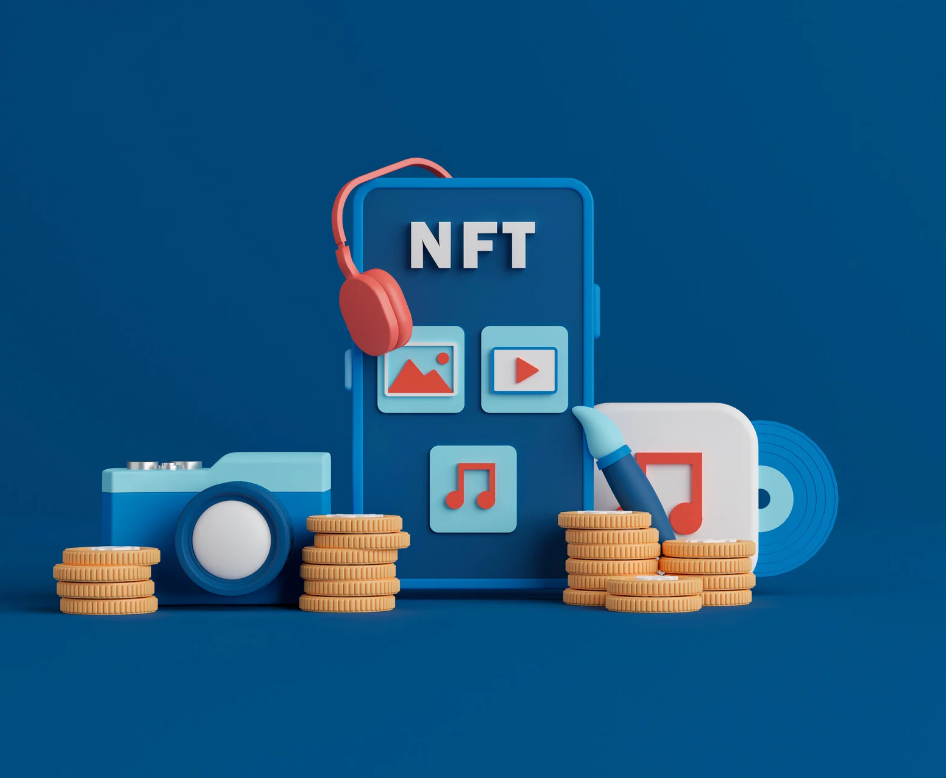
Let’s start with the basics. NFT stands for “non-fungible token.” In simple terms, it’s a unique digital asset stored on the blockchain—a secure, transparent ledger. When we talk about NFT music digital assets, we mean songs, albums, or sound clips turned into verifiable, one-of-a-kind digital collectibles.
Each NFT represents ownership of a specific digital file. That might be a full song, a limited-edition album, or even behind-the-scenes content. Unlike MP3s that can be endlessly copied, NFT music is recorded on the blockchain, which means ownership can be tracked and proven forever.
So, instead of buying a song on iTunes or streaming it on Spotify, fans can own an original version or collectible edition of that song—often with exclusive perks like concert access, unreleased content, or direct engagement with the artist.
Why NFT music digital assets are changing the game
Traditional music distribution favors platforms and labels over creators. Artists often receive less than a penny per stream while corporations take the lion’s share. NFTs flip that model. By minting their work as NFTs, musicians bypass middlemen and sell directly to fans.
Here’s how this shift is empowering musicians:
- Ownership: Artists retain rights to their work.
- Royalties: Smart contracts on the blockchain ensure musicians get paid every time their NFT is resold.
- Direct fan connection: NFTs allow personal engagement between artists and supporters.
- Scarcity: Limited-edition releases create exclusivity and higher value.
In short, NFT music digital assets turn songs into both cultural and financial assets. They reward creativity while giving fans a stake in the music they love.
How musicians are selling songs as digital assets
You might wonder how this all works in practice. Musicians mint their songs as NFTs using blockchain platforms like Ethereum, Solana, or Polygon. “Minting” simply means uploading the song’s metadata and attaching it to a unique token. This process transforms the song into a tradable digital collectible.
Once minted, these NFT songs can be sold on marketplaces such as:
- Sound.xyz – where artists host drops and fans collect limited-edition tracks.
- Audius – a streaming platform built on blockchain, integrating NFT ownership.
- Royal.io – where fans can buy fractional ownership of songs and share in royalties.
- Opensea or Rarible – popular general NFT platforms that support music collectibles.
Each sale is recorded on the blockchain. When the NFT is resold, smart contracts automatically send a percentage of the resale value back to the artist. This ensures ongoing income—a revolutionary concept compared to one-time sales in traditional music markets.
The role of smart contracts in NFT music
Smart contracts are the engine behind NFT music digital assets. They’re self-executing agreements written into the blockchain. When someone buys or resells an NFT, the smart contract ensures all terms—like royalties or distribution limits—are automatically enforced.
For example, a musician could program a 10% royalty on every resale. That means if a fan buys a song NFT for $100 and later sells it for $1,000, the artist earns $100 from that transaction—instantly, without paperwork or intermediaries.
This model introduces transparency, fairness, and sustainability. Artists finally get paid fairly for the lifetime value of their work.
Examples of musicians embracing NFT music
Several artists have already proven that NFT music can be profitable and authentic. Here are a few inspiring examples:
Kings of Leon released their album When You See Yourself as an NFT, offering special artwork and lifetime concert tickets to collectors.
3LAU, a DJ and producer, sold an NFT album for over $11 million, making him one of the early pioneers of the NFT music scene.
Grimes auctioned digital artworks paired with exclusive songs, earning more than $6 million in under 20 minutes.
Nas, the legendary rapper, used Royal.io to let fans buy fractional ownership of his songs, sharing streaming royalties directly with supporters.
These cases show how NFT music digital assets aren’t just a fad—they’re a practical way for artists to earn, engage, and grow.
How fans benefit from NFT music
Fans aren’t just listeners anymore—they’re participants. Buying a song NFT can grant them access to exclusive experiences: early releases, virtual meet-and-greets, or community membership.
Some NFT projects even share profits, meaning fans earn royalties when the music they support gains value. This sense of ownership transforms fandom into partnership.
Imagine owning a collectible edition of your favorite song and watching it appreciate in value as the artist becomes more famous. That’s emotional and financial connection combined.
The economics of scarcity and value
Scarcity drives demand. NFT music thrives on this principle. When artists release a song in limited quantities—say, only 100 NFTs—it instantly creates exclusivity. Fans compete to own these collectibles, which can increase in value over time.
Unlike streaming, where every play is identical, owning a limited-edition NFT feels personal. It’s a digital autograph, a direct connection between creator and collector.
For musicians, this scarcity-based model aligns art with value. It reintroduces the concept of music as something precious—an idea lost in the era of infinite streams.
Challenges facing NFT music
Of course, no innovation comes without challenges. Despite the excitement, NFT music still faces obstacles:
- Environmental concerns: Some blockchains consume high energy. However, newer networks like Polygon and Solana are more eco-friendly.
- Market volatility: NFT prices can swing wildly. Artists should focus on long-term fan relationships, not quick profits.
- Technical barriers: Not all musicians understand blockchain technology, making onboarding difficult.
- Piracy and duplication: While blockchain secures ownership, copies of the actual song can still circulate online.
- Skepticism: Many fans remain cautious, associating NFTs with speculative hype rather than artistic value.
Overcoming these challenges requires education, better tools, and platforms that make NFT creation seamless and sustainable.
NFT music and the future of the industry
The future of NFT music digital assets lies in integration and accessibility. We’ll likely see hybrid platforms where streaming, collectibles, and community ownership merge into one experience.
Imagine a Spotify where each play contributes to an NFT-based royalty pool. Or a live concert streamed in virtual reality, where attendees own exclusive digital memorabilia tied to the event.
Major labels are also exploring NFTs, realizing they can coexist with traditional contracts rather than replace them. The next generation of artists will likely grow up minting NFTs as naturally as releasing singles on streaming services.
As Web3 continues to evolve, music will become even more immersive, social, and decentralized. The artist-fan relationship will be based not just on listening—but on co-ownership and collaboration.
How to start creating or buying NFT music
If you’re an artist or collector curious about joining this movement, here’s how to begin:
For artists:
- Choose your blockchain: Ethereum, Polygon, and Solana are popular for NFT music.
- Mint your song: Use marketplaces like Sound.xyz or Royal.io.
- Add value: Offer perks like behind-the-scenes access or bonus tracks.
- Set royalties: Define your percentage for future resales.
- Promote your drop: Leverage social media and NFT communities for visibility.
For fans or collectors:
- Set up a crypto wallet: MetaMask or Phantom are common options.
- Buy cryptocurrency: You’ll need ETH, SOL, or MATIC to make purchases.
- Research artists and projects: Look for musicians with active communities and transparent roadmaps.
- Collect and trade responsibly: Treat NFTs like art—appreciate the story behind each piece.
NFT music isn’t just about technology; it’s about connection. Whether you’re buying or selling, the goal is to support creativity in a more meaningful way.
Why NFT music is more than a trend
Critics once dismissed streaming, social media, and digital art as fads. Now they dominate global entertainment. NFT music follows the same pattern—it solves a real problem. Artists want fair compensation, and fans want authentic engagement. NFTs deliver both.
By turning songs into digital assets, musicians reclaim power. They decide pricing, access, and rewards. Fans become investors in culture, not just consumers of it. That’s a powerful shift that could redefine music economics for decades to come.
Conclusion
NFT music digital assets mark a new era in the music industry—one where artists and fans share ownership, rewards, and connection. Songs are no longer just audio files; they’re collectible experiences, investment opportunities, and bridges between creators and communities.
The beauty of this revolution is that it’s still unfolding. Whether you’re a musician looking for creative freedom or a fan wanting a deeper connection, NFT music offers endless potential. The next big hit might not just be streamed—it could be owned, traded, and cherished forever.
FAQ
- What is NFT music?
NFT music refers to songs or albums sold as unique blockchain-based digital assets that prove ownership and authenticity. - How do artists make money from NFT music?
Musicians earn from initial sales and ongoing royalties through smart contracts whenever their NFTs are resold. - Can fans really own a piece of music?
Yes. Buying an NFT gives fans verified ownership of a specific edition, sometimes including perks or profit-sharing rights. - Is NFT music environmentally friendly?
Many projects now use eco-efficient blockchains like Polygon and Solana, reducing the carbon footprint dramatically. - Will NFTs replace traditional music streaming?
Not entirely. NFT music will complement streaming by creating new revenue streams and deeper fan engagement opportunities.