NFT Minting Explained: How It Works and What It Costs

The rise of NFTs (Non-Fungible Tokens) has transformed how we think about digital ownership, creativity, and value. From digital art and music to in-game items and virtual real estate, NFTs give creators and collectors a way to prove authenticity and scarcity — all powered by blockchain technology.
At the heart of this new digital economy lies NFT minting, the process of turning a digital file into a unique token recorded on a blockchain. But what exactly happens when you “mint” an NFT? How much does it cost? And what should you know before getting started?
Let’s break it all down — step by step.
What Is NFT Minting?
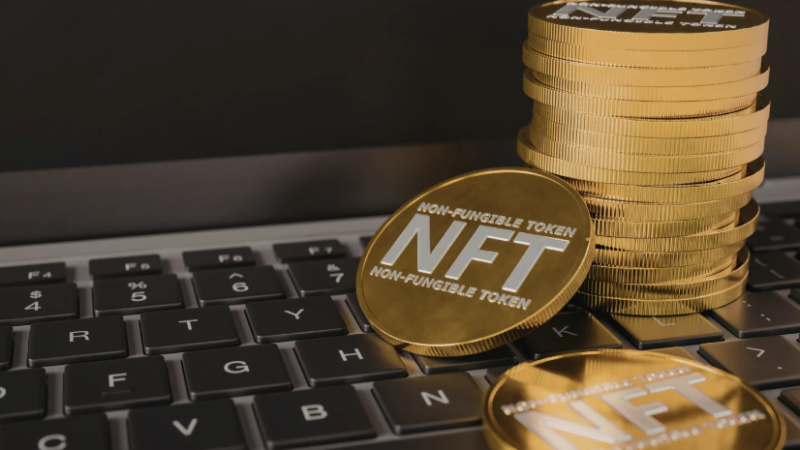
NFT minting is the process of creating a new NFT on a blockchain. When you mint an NFT, you’re converting a digital item — like an image, video, or music file — into a verifiable digital asset recorded permanently on the blockchain.
This process ensures the NFT:
- Has a unique identifier that distinguishes it from all others.
- Proves ownership and authenticity.
- Can be bought, sold, or traded on NFT marketplaces.
In short, minting turns digital creations into collectible blockchain assets.
How NFT Minting Works
The minting process might sound complex, but modern platforms make it accessible even for beginners. Here’s how it typically works:
1. Choose a Blockchain
The first step in NFT minting is choosing which blockchain to use. The most popular ones include:
- Ethereum: The largest NFT ecosystem (used by OpenSea, Rarible, etc.).
- Polygon: A low-fee, eco-friendly alternative to Ethereum.
- Solana: Known for fast transactions and minimal gas fees.
- Tezos: Popular for its sustainability and low energy usage.
Each blockchain has its own NFT standards — such as ERC-721 or ERC-1155 for Ethereum.
2. Set Up a Digital Wallet
You’ll need a crypto wallet to store both your NFTs and the cryptocurrency used to pay minting fees.
Popular wallets include:
- MetaMask (for Ethereum and Polygon)
- Phantom (for Solana)
- Temple Wallet (for Tezos)
After setup, you’ll connect your wallet to an NFT marketplace.
3. Choose an NFT Marketplace
NFT marketplaces are platforms where you can create, buy, and sell NFTs. Popular examples include:
- OpenSea
- Rarible
- Magic Eden
- Objkt.com (for Tezos-based NFTs)
Each platform has its own minting tools, fee structures, and audience reach.
4. Upload Your Digital File
Next, you upload your artwork or digital item — it could be an image, GIF, video, song, 3D model, or even a tweet.
You’ll then provide metadata, such as:
- Title and description
- Properties (rarity traits, categories, etc.)
- Collection name
This metadata helps collectors understand your NFT’s uniqueness and value.
5. Pay the Minting Fee (Gas Fee)
Minting requires a blockchain transaction, which comes with a gas fee — a payment to network validators who process your transaction.
Gas fees fluctuate depending on blockchain congestion and token price. For example:
- Ethereum gas fees can range from $5 to $100+ during busy periods.
- Polygon, Solana, and Tezos often charge under $1 per mint.
Some platforms offer “lazy minting”, where the NFT is only minted (and fees paid) when it’s sold — saving creators upfront costs.
6. Confirm and Mint
Once you confirm the transaction in your wallet, the NFT is minted — permanently recorded on the blockchain. You now officially own a verified digital asset.
After minting, your NFT will appear in your wallet and on the marketplace under your profile, ready for sale or trade.
How Much Does NFT Minting Cost?
The cost of NFT minting depends on several factors:
| Factor | Description | Typical Cost Range |
|---|---|---|
| Blockchain choice | Some blockchains charge higher gas fees (e.g., Ethereum). | $0.01 – $150 |
| Marketplace fees | Platforms may charge listing or service fees. | 0% – 5% of sale |
| File size and type | Larger files may incur higher storage costs. | Minimal to moderate |
| Timing | Gas prices fluctuate based on network demand. | Varies hourly |
If you want to minimize costs, use Polygon, Solana, or Tezos, which are known for their low-fee minting systems.
NFT Minting on Ethereum vs. Other Blockchains
| Blockchain | Pros | Cons |
|---|---|---|
| Ethereum | Largest NFT ecosystem, widely supported | High gas fees, energy use |
| Polygon | Low cost, eco-friendly, compatible with Ethereum | Slightly smaller user base |
| Solana | Extremely fast and cheap | Occasional network downtime |
| Tezos | Sustainable and affordable | Smaller collector community |
Your choice depends on your priorities — cost, audience, or eco-friendliness.
Understanding Gas Fees
Gas fees are payments made to blockchain validators who execute transactions. They fluctuate based on:
- Network activity: More transactions = higher fees.
- Transaction complexity: More data means higher costs.
- Blockchain design: Some use proof-of-stake (cheaper), others proof-of-work (costlier).
To reduce costs, mint NFTs during off-peak hours — typically weekends or early mornings (UTC time).
Lazy Minting: A Cost-Effective Alternative
Lazy minting allows creators to list NFTs without paying minting fees upfront. Instead, the NFT is minted when a buyer purchases it.
Benefits include:
- No upfront costs for creators.
- Lower barrier to entry for newcomers.
- Blockchain efficiency by avoiding unnecessary mints.
Platforms like OpenSea and Rarible widely use this feature, making NFT creation more accessible.
Security and Authenticity in NFT Minting
Since minting permanently records your work on the blockchain, ensure it’s original and verified.
Security tips:
- Only mint your own creations to avoid copyright issues.
- Double-check file ownership before minting.
- Use verified marketplaces to avoid scams.
- Keep your wallet’s private keys secure at all times.
Remember, blockchain transactions are irreversible — once minted, your NFT can’t be deleted or edited.
How Creators Earn from NFT Minting
NFT creators can earn money through multiple channels:
- Primary sales: Selling the NFT to the first buyer.
- Royalties: Earning a percentage from every resale (usually 5–10%).
- Exclusive content: Offering buyers access to private experiences or physical items.
This recurring revenue model makes NFTs appealing for artists, musicians, and developers.
Environmental Considerations
Critics often cite the energy use of NFTs — especially those minted on Ethereum (pre-Merge). However, with Ethereum’s proof-of-stake transition and eco-friendly chains like Polygon and Tezos, NFT minting has become far more sustainable.
Choosing greener blockchains helps reduce environmental impact while keeping costs low.
Tips to Save Money When Minting NFTs
- Use lazy minting whenever available.
- Mint during low gas periods (check gas trackers).
- Explore Layer-2 networks like Polygon.
- Batch mint multiple NFTs to minimize transactions.
- Avoid oversized files to reduce data costs.
These small optimizations can significantly cut minting expenses.
Common Mistakes to Avoid
- Ignoring gas fees — prices can change fast, so check before confirming.
- Using unverified marketplaces — these can lead to scams or fake listings.
- Failing to promote NFTs — minting alone doesn’t guarantee sales.
- Skipping royalties setup — missing out on long-term income.
- Not backing up your wallet — losing access means losing everything.
Minting responsibly ensures both security and profitability.
Alt text: Illustration showing how NFT minting converts digital art into blockchain-based assets.
Conclusion: NFT Minting Empowers Digital Ownership
NFT minting bridges creativity and technology — allowing anyone to turn a digital file into a verifiable, tradeable blockchain asset.
While costs and processes vary by blockchain, the core concept remains the same: minting gives creators control, collectors confidence, and digital assets permanence.
As blockchain technology continues to evolve, minting will only become cheaper, faster, and more eco-friendly — opening doors to a new era of decentralized creativity.
FAQ
1. What does NFT minting mean?
It’s the process of creating a digital asset on the blockchain, giving it verified ownership and uniqueness.
2. How much does it cost to mint an NFT?
Costs vary by blockchain — from less than $1 on Polygon to over $100 on Ethereum during busy times.
3. Can I mint NFTs for free?
Yes. Some platforms offer lazy minting, where you pay only when your NFT sells.
4. Which blockchain is best for NFT minting?
Ethereum has the largest market, but Polygon and Solana offer lower fees and faster transactions.
5. Do I own copyright after minting an NFT?
Yes — unless you transfer rights in the sale, you retain copyright to your original work.