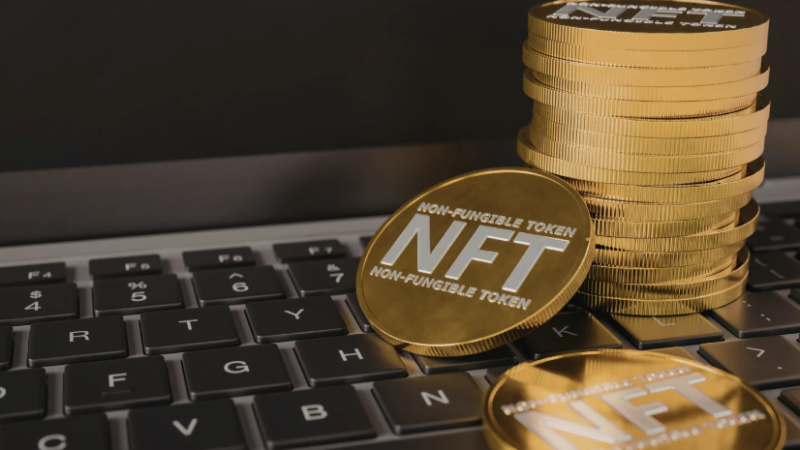
NFT Marketplace Compliance Challenges: Why Platforms Struggle
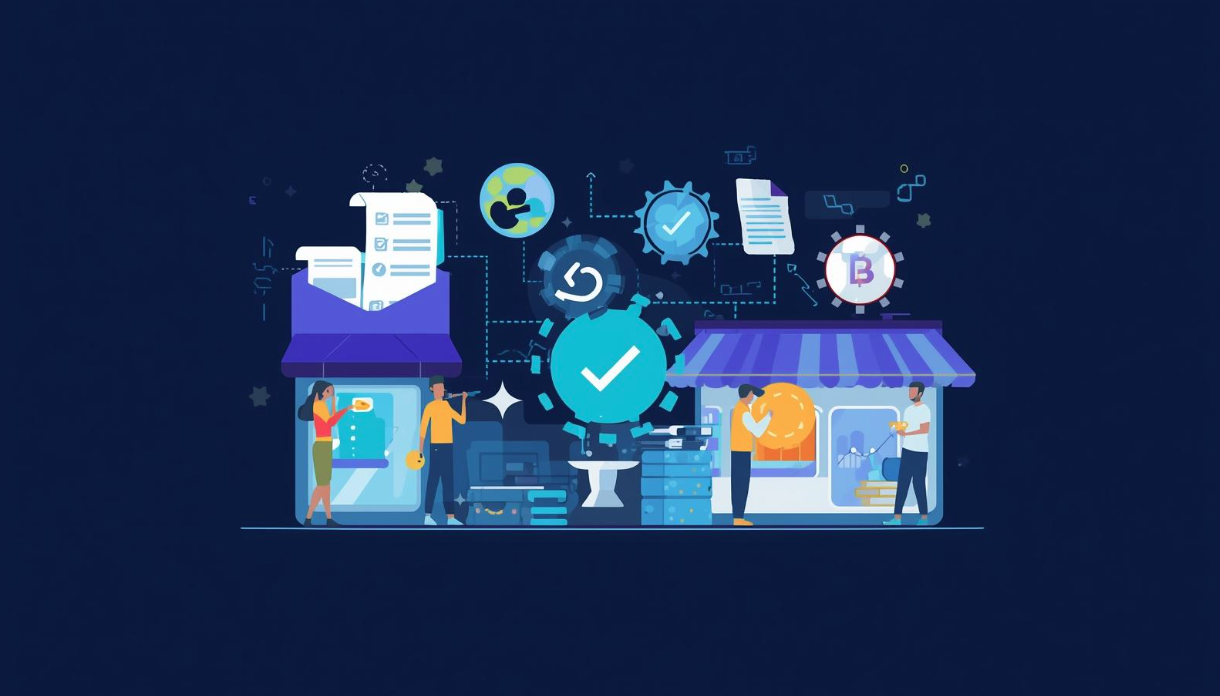
NFT marketplace compliance challenges have become impossible to ignore. What once felt like a fast-moving, creative frontier is now a regulated environment filled with uncertainty. As NFT trading volumes grew, regulators followed. Unfortunately, regulation did not arrive neatly packaged or universally agreed upon.
NFT marketplaces now operate at the intersection of art, finance, technology, and global law. That position creates friction. Every transaction may touch multiple jurisdictions. Every feature may trigger a different legal obligation. As a result, compliance becomes a constant balancing act.
For marketplace operators, the challenge is not resistance to regulation. It is complexity. Rules change frequently. Guidance is often vague. Enforcement varies widely. Staying compliant feels like trying to hit a moving target while running uphill.
So why are NFT marketplaces struggling so much to track regulatory changes and remain compliant? The answer lies in how regulation collides with decentralized digital economies.
Understanding NFT Marketplace Compliance Challenges
Compliance refers to meeting legal and regulatory obligations. In the NFT space, those obligations span multiple domains. Securities law, tax law, consumer protection, anti-money laundering rules, and intellectual property rights all intersect.
NFT marketplace compliance challenges arise because these rules were designed for traditional intermediaries. Marketplaces, however, are not traditional sellers or brokers. They host user-generated content, facilitate peer-to-peer transactions, and often operate without direct custody of assets.
Because of this structure, regulators struggle to classify NFT marketplaces consistently. Some view them as platforms. Others treat them as financial intermediaries. That inconsistency becomes the foundation of compliance difficulty.
Marketplaces are forced to interpret laws without clear guidance.
Why NFT Marketplaces Face Unique Regulatory Pressure
Unlike individual creators, marketplaces operate at scale. They process thousands of transactions daily. That visibility attracts regulatory attention.
NFT marketplace compliance challenges intensify because regulators often hold platforms responsible for user behavior. Even when marketplaces do not control content directly, they are expected to enforce standards.
Additionally, marketplaces serve global audiences. Compliance obligations differ by region, yet platforms rarely limit access geographically.
Operating globally multiplies legal exposure.
Global Jurisdiction and Regulatory Overlap
Jurisdiction remains one of the most difficult issues. NFT marketplaces connect buyers and sellers from around the world.
A single transaction may involve a creator in one country, a buyer in another, and a platform registered elsewhere. Each jurisdiction may impose different rules.
NFT marketplace compliance challenges emerge when these rules conflict. Consumer protection laws in one region may contradict financial regulations in another.
Without harmonized standards, platforms must navigate overlap carefully.
Securities Law Uncertainty
Securities classification poses serious risk. Some NFTs include profit-sharing, governance rights, or future benefits.
Regulators may interpret these features as investment contracts. If so, marketplaces facilitating their sale could face securities compliance obligations.
NFT marketplace compliance challenges grow because classification is inconsistent. Similar assets may be treated differently across jurisdictions.
Marketplaces must decide whether to restrict listings, add disclosures, or risk enforcement.
Anti-Money Laundering and KYC Requirements
As NFT values increase, regulators apply anti-money laundering standards.
Some jurisdictions require marketplaces to implement Know Your Customer procedures. Others do not.
NFT marketplace compliance challenges arise when platforms must balance decentralization with identity verification.
Implementing KYC adds friction and cost. Failing to implement it invites scrutiny.
There is no universal solution.
Tax Reporting and Transaction Transparency
Tax authorities increasingly scrutinize NFT transactions. Marketplaces often hold transaction data that regulators want.
However, reporting requirements differ globally. Some countries require marketplaces to report user activity. Others place responsibility on individuals.
NFT marketplace compliance challenges include building systems capable of meeting diverse reporting obligations.
Data accuracy becomes critical.
Consumer Protection and Marketplace Responsibility
Consumer protection laws aim to prevent misleading practices and unfair treatment.
In NFT marketplaces, users may purchase assets with unclear utility or rights. Regulators expect transparency.
NFT marketplace compliance challenges increase when user-generated listings contain exaggerated claims.
Marketplaces must decide how aggressively to moderate content without stifling creativity.
Refund Policies and Digital Asset Disputes
Refund rights are a cornerstone of consumer protection. NFTs complicate this concept.
Once transferred, NFTs cannot be returned easily. Some jurisdictions still require refund mechanisms.
NFT marketplace compliance challenges arise when platforms must design dispute systems that comply with law and technical reality.
Balancing fairness and feasibility remains difficult.
Intellectual Property and Licensing Issues
Many NFT disputes involve intellectual property rights. Buyers often misunderstand what ownership includes.
Marketplaces may face liability if listings misrepresent rights.
NFT marketplace compliance challenges include verifying creator rights and enforcing licensing disclosures.
Automating this process remains challenging.
Platform Policies Versus Regulatory Requirements
Marketplaces enforce internal policies. Regulators enforce laws.
Sometimes these standards conflict. A platform policy may allow a listing that regulation prohibits.
NFT marketplace compliance challenges arise when policies must change quickly to align with new guidance.
Frequent updates confuse users and creators.
Rapid Regulatory Change and Unclear Guidance
Regulation evolves quickly. Guidance often lags behind enforcement.
NFT marketplace compliance challenges intensify when platforms must interpret unclear statements.
Uncertainty increases risk. Conservative approaches reduce innovation.
Platforms operate cautiously to avoid penalties.
Technology Limitations in Compliance Monitoring
Traditional compliance tools were not built for decentralized transactions.
Monitoring NFT listings, wallet activity, and smart contracts requires specialized systems.
NFT marketplace compliance challenges include detecting suspicious behavior without invading privacy.
Technology gaps increase manual oversight.
Cost of Compliance for NFT Marketplaces
Compliance is expensive. Legal advice, audits, monitoring systems, and reporting tools add overhead.
Smaller marketplaces struggle to absorb these costs.
NFT marketplace compliance challenges create barriers to entry and favor larger players.
Innovation may suffer.
Risk of Retroactive Enforcement
Retroactive enforcement creates fear. Marketplaces worry that past activity may be judged under new interpretations.
NFT marketplace compliance challenges include preparing for unknown future standards.
Risk management becomes defensive.
User Privacy Versus Regulatory Demands
Regulators demand transparency. Users demand privacy.
Balancing these interests is difficult.
NFT marketplace compliance challenges include handling sensitive data responsibly while meeting disclosure obligations.
Trust depends on balance.
Education Gaps Within Marketplace Teams
Compliance expertise is specialized. Many marketplace teams lack legal backgrounds.
Misinterpretation leads to mistakes.
NFT marketplace compliance challenges reflect broader knowledge gaps.
Hiring expertise helps but increases cost.
The Role of Self-Regulation and Industry Standards
Industry standards could reduce confusion. Shared best practices support compliance.
Some groups propose disclosure templates and listing guidelines.
NFT marketplace compliance challenges may ease as standards mature.
Adoption takes time.
Communication Challenges With Users
Compliance changes affect users directly. Listings may be removed. Features may change.
Clear communication reduces frustration.
NFT marketplace compliance challenges grow when users feel blindsided.
Transparency builds trust.
How NFT Marketplaces Can Adapt
Adaptation requires proactive strategy.
Marketplaces should monitor regulatory updates closely. Flexible systems help adjust policies quickly.
Clear disclosures reduce risk. Strong moderation supports compliance.
Preparation beats reaction.
Why Ignoring Compliance Is Not an Option
Ignoring regulation does not prevent enforcement. It increases risk.
Penalties, restrictions, and reputational damage follow.
NFT marketplace compliance challenges demand engagement, not avoidance.
Responsibility scales with influence.
Long-Term Outlook for NFT Marketplace Regulation
Regulation will continue. Clarity may improve gradually.
Marketplaces that invest in compliance early gain resilience.
Those that delay face greater disruption.
The ecosystem evolves through adaptation.
Conclusion
NFT marketplace compliance challenges highlight the tension between innovation and regulation. Marketplaces struggle because laws were never designed for global, decentralized digital asset trading. However, compliance is not optional. By investing in adaptable systems, transparent policies, and ongoing education, NFT marketplaces can navigate regulatory change more effectively. While the path forward remains complex, platforms that treat compliance as a strategic priority will be best positioned to survive and grow.
FAQ
- Why are NFT marketplaces facing compliance challenges?
Because regulations differ globally and were not designed for decentralized digital assets. - Do NFT marketplaces have AML obligations?
In many jurisdictions, yes, especially as transaction values increase. - Can NFT marketplaces be liable for user listings?
Depending on jurisdiction, platforms may share responsibility for misleading or illegal listings. - Are NFT regulations consistent worldwide?
No, regulatory frameworks vary significantly by country. - Will NFT marketplace compliance get easier over time?
Yes, as regulations mature and industry standards develop, clarity should improve.