Fundamentals of Altcoins Driving NFT Platforms
Introduction: Why Altcoins Matter for NFTs
NFTs exploded in popularity, but behind every thriving marketplace lies a fuel source — altcoins. Without them, NFT platforms wouldn’t function. The fundamentals of altcoins determine not only the value of digital art but also the stability of entire ecosystems.
What Are Altcoins?
Altcoins are cryptocurrencies other than Bitcoin. They serve as digital money, utility tokens, or governance tools. While Bitcoin pioneered decentralized finance, altcoins diversified its purpose. In NFT platforms, they bring flexibility, speed, and unique features.
How Altcoins Drive NFT Platforms
NFT platforms depend on altcoins for transactions, rewards, and governance. Each platform selects an altcoin that aligns with its goals, such as scalability or sustainability. This choice directly impacts user experience.
The Relationship Between Altcoins and NFTs
Altcoins and NFTs are like partners in a dance. NFTs provide uniqueness; altcoins make them tradable. Together, they create vibrant marketplaces where digital assets hold real-world value.
Token Utility: The Core of Altcoin Fundamentals
Utility is the heart of any altcoin. On NFT platforms, tokens must serve real functions:
- Pay for minting fees
- Enable marketplace transactions
- Reward creators and collectors
- Grant governance rights
Without strong utility, altcoins quickly lose relevance.
Transaction Speed and Scalability in Altcoins
Imagine standing in a long queue to buy a ticket. That’s what slow blockchains feel like. Altcoins powering NFT platforms must offer fast transaction speeds and scalability to support millions of trades without clogging networks.
Gas Fees and Cost Efficiency
High gas fees often frustrate NFT users. Ethereum’s gas fees, for instance, led many to seek alternatives. Altcoins like Solana, Polygon, and Avalanche gained popularity because they offered cheaper, more predictable transaction costs.
Security and Smart Contracts
NFT platforms rely on smart contracts powered by altcoins. These contracts secure ownership, royalties, and transfers. Altcoins with robust smart contract features ensure users trust the ecosystem. Weak security puts both altcoins and NFTs at risk.
Governance Through Altcoins
Some NFT platforms allow token holders to vote on decisions. This governance system puts power into the community’s hands. Altcoins enable this by acting as governance tokens, giving users real influence over platform changes.
Altcoins and Cross-Chain Interoperability
NFT ecosystems don’t exist in silos. Altcoins that support cross-chain interoperability allow NFTs to move across platforms. This flexibility broadens utility, enabling collectors to showcase and trade assets beyond a single blockchain.
Sustainability and Green Altcoins
Energy use became a hot topic in crypto. Altcoins focusing on eco-friendly consensus mechanisms, like Proof of Stake, attract NFT platforms seeking sustainability. This shift reduces carbon footprints and builds user confidence.
Examples of Altcoins Powering NFT Platforms
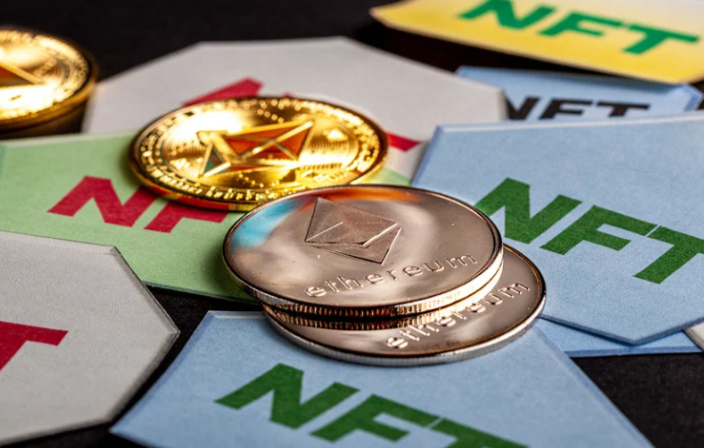
- Ethereum (ETH): The pioneer for NFTs, despite high gas fees
- Solana (SOL): Fast, cheap, and growing in NFT adoption
- Polygon (MATIC): Ethereum-compatible and cost-efficient
- Avalanche (AVAX): Scalable with strong developer support
- Tezos (XTZ): Eco-friendly and increasingly popular among artists
Investor Perspective on Altcoins and NFTs
Investors evaluate the fundamentals of altcoins to gauge NFT platform success. Strong fundamentals mean better adoption, lower risk, and higher potential returns. Weak fundamentals raise red flags.
Risks of Weak Altcoin Fundamentals in NFT Platforms
- Price volatility impacts NFT value
- Poor scalability leads to network congestion
- Weak security risks hacks and lost assets
- Limited utility discourages adoption
Ignoring these risks can trap both investors and users.
How Altcoins Shape the Future of NFTs
As NFT platforms evolve, altcoins will continue driving innovation. From lowering costs to enabling metaverse integration, altcoins will remain the backbone of NFT growth.
Conclusion: The Heartbeat of NFT Ecosystems
The fundamentals of altcoins are the lifeblood of NFT platforms. They ensure transactions run smoothly, creators are rewarded, and communities thrive. For anyone exploring NFTs, understanding the role of altcoins is no longer optional — it’s essential.
FAQ
1. What role do altcoins play in NFT platforms?
Altcoins power transactions, governance, and rewards, making NFT platforms functional and efficient.
2. Which altcoins are most popular for NFTs?
Ethereum, Solana, Polygon, Avalanche, and Tezos are leading choices today.
3. Why are gas fees important in NFT altcoins?
Gas fees affect minting and trading costs. Lower fees make NFTs more accessible.
4. Can altcoin fundamentals affect NFT values?
Yes. Weak altcoin fundamentals can reduce trust, adoption, and NFT demand.
5. Are eco-friendly altcoins better for NFTs?
Yes. Eco-friendly altcoins attract artists and platforms focused on sustainability.