Fractional NFT Digital Ownership Explained Clearly
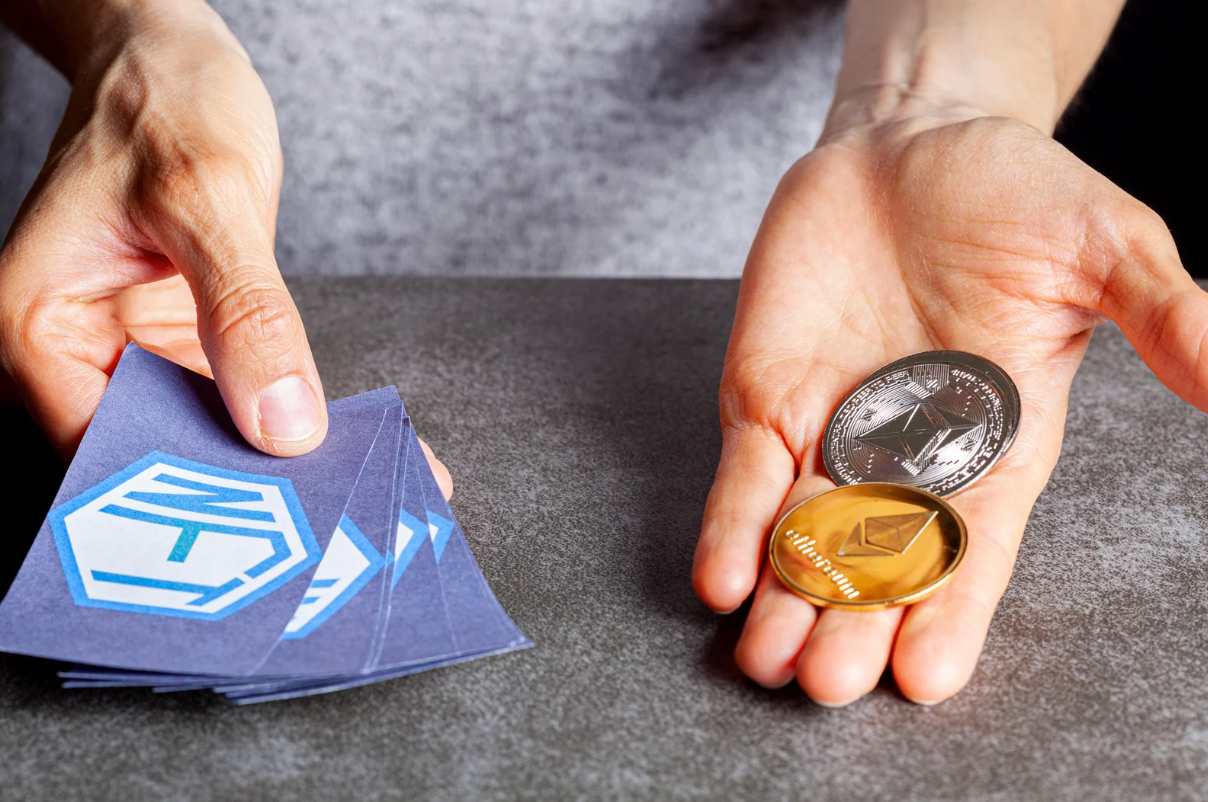
Fractional NFT digital ownership is transforming how people interact with high-value digital assets. Instead of needing large amounts of capital to buy a rare NFT, collectors can now purchase fractions of ownership. This simple yet powerful shift has opened the door for everyday investors to participate in markets previously limited to wealthy buyers. Rather than watching iconic NFTs sell for millions, people can now own a meaningful share of them—just like owning stock in a company.
Because blockchain technology makes fractionalization secure and transparent, it introduces new ways to share digital value. It also encourages collective ownership, shared decision-making, and collaborative investment strategies. As a result, fractional NFT digital ownership has become one of the most exciting innovations in the crypto space. It blends accessibility with flexibility, giving more people the chance to join a rapidly growing digital economy.
In this article, we’ll dive into what fractional NFTs are, how fractionalization works, why it matters, and how this model is changing digital ownership forever. Along the way, you’ll learn the benefits, challenges, and long-term possibilities of owning fractions of NFTs rather than entire assets.
What Fractional NFT Digital Ownership Really Means
Fractional NFT digital ownership allows multiple people to hold partial rights to a single NFT. Instead of one person owning the entire asset, ownership is split into smaller pieces represented by fungible tokens. These tokens work like shares, and each holder owns a portion of the NFT’s value.
This model offers new flexibility. It helps solve the affordability issue with high-priced NFTs. Additionally, it gives collectors a way to diversify. Instead of putting all funds into one token, they can buy fractions of several valuable NFTs.
Fractional NFTs also make ownership more interactive. People who share ownership often collaborate on decisions, vote on sales, and participate in community discussions. Because fractionalization creates shared responsibility, it adds a sense of teamwork to digital ownership.
How Fractional NFTs Work Behind the Scenes
Understanding how fractional NFT digital ownership works requires looking at the process of fractionalization. First, someone who owns an NFT locks it inside a smart contract. The smart contract then creates a set number of fungible tokens that represent fractional ownership.
Here’s how the process typically unfolds:
- An NFT owner decides to fractionalize a high-value asset.
- The NFT asset.
- The NFT is placed in a secure smart contract that prevents it from being moved or sold without group approval.
- Fungible tokens are created to represent fractions of the NFT.
- Investors can buy and trade these fractional tokens through supported marketplaces.
- Holders collectively decide future actions, such as selling the original NFT.
This structure ensures fairness. Since decisions often require voting, no single fractional owner can force a sale unless they hold enough tokens. This democratic design strengthens trust between participants.
Additionally, because everything runs on smart contracts, the process stays transparent. Every transaction is recorded on the blockchain. Fractional ownership becomes easier to track, verify, and manage.
Why Fractional NFT Digital Ownership Makes Assets Accessible
Before fractional NFTs existed, only a small group of people could afford high-value digital assets. Prices for blue-chip NFTs often exceed thousands, even millions. Fractional NFT digital ownership changes that dynamic entirely.
Now, people can buy fractions for much lower amounts. This makes expensive NFTs accessible to newcomers, smaller investors, and collectors who want exposure without overspending. Fractionalization also gives people a chance to build diversified portfolios, which reduces risk and increases opportunity.
Furthermore, fractional NFTs bring inclusivity into digital ownership. People from different income levels can now participate in the same markets. This helps create broader, more diverse communities around popular NFT collections.
The shift toward accessibility mirrors trends in traditional finance, where fractional shares transformed stock investing. Just as fractional shares opened the stock market to millions, fractional NFTs open digital assets to a wider audience.
Fractional NFTs Increase Liquidity in the Marketplace
Liquidity has always been a challenge for NFTs. Since each NFT is unique, buying or selling can take time. Fractional NFTs solve this issue because the fractional tokens are fungible and easy to trade.
This increased liquidity has several benefits:
- Faster transactions
- More consistent market activity
- Easier price discovery
- Greater flexibility for investors
- Better portfolio rebalancing
Because fractional tokens trade more frequently than whole NFTs, markets become more active. This activity helps stabilize prices and gives investors more freedom to enter or exit positions whenever they choose.
Liquidity also helps creators. When their NFTs become fractional, they gain broader exposure and more community involvement. Consequently, demand for the original artwork often increases.
How Fractionalization Builds Community Around Digital Assets
Communities are one of the most underrated benefits of fractional NFT digital ownership. When people share access to the same NFT, they often form tight-knit groups. They collaborate, vote, strategize, and support the asset together.
This shared ownership creates:
- Collective decision-making
- Community-driven utility
- Shared pride in the asset
- Stronger engagement
- Long-term loyalty
Communities often create content, memes, events, and social groups based on their fractional ownership. This collective enthusiasm strengthens the value of the NFT and encourages more people to join.
Community-driven ownership mirrors how decentralized organizations work. It reflects the broader shift toward collaborative investment and shared digital identity.
Fractional NFTs Inspire New Business Models
Fractional NFT digital ownership isn’t just for collectors. It opens up new business opportunities. Because ownership can be divided, companies and creators can develop creative strategies to monetize their NFTs.
Some emerging business models include:
- Shared access passes
- Fractional membership rewards
- Token-gated experiences
- Collective investment clubs
- Crowdfunded art ownership
Creators can sell fractional access to exclusive utilities, like events or content. Investors can collaborate on buying rare NFTs together. Brands can use fractional NFTs to reward loyal customers with partial ownership in digital assets.
Because fractionalization bridges the gap between ownership and participation, it inspires innovation across multiple industries.
Owning Fractions Helps Reduce Risk
Risk is part of any investment. However, fractional NFT digital ownership helps reduce risk because investors don’t need to put large sums into a single asset. They can spread their capital across many NFTs, just like diversifying stocks.
Diversification protects your portfolio. Even if one NFT drops in value, you still hold fractions in others. This balanced approach makes the entire experience less stressful.
Additionally, because fractional tokens are more liquid, selling becomes easier. Investors can exit positions faster without waiting for a single buyer willing to take the entire NFT.
For people who want exposure to high-value NFTs without heavy risk, fractional ownership offers a safe entry point.
The Role of Smart Contracts in Fractional Ownership
Smart contracts play an essential role in fractional NFT digital ownership. They secure the original NFT, enforce rules, distribute fractional tokens, and manage the voting process.
These automated contracts:
- Prevent unauthorized movement of the NFT
- Enable transparent distribution of fractions
- Ensure that decisions follow preset governance rules
- Record all interactions on the blockchain
Because smart contracts operate without human intervention, they reduce the risk of manipulation or fraud. This trustless environment allows strangers to collaborate on ownership without fear.
Smart contracts also enable innovative features, such as buyback options, reserve prices, and automated auctions. These tools make fractional ownership both safer and more dynamic.
Voting Rights Give Owners More Control
Fractional NFT digital ownership often includes governance rights. Owners can vote on whether to sell the NFT, set reserve prices, or introduce community utilities.
Voting systems typically follow a simple rule: more tokens equal more influence. However, smart contracts prevent abuse by requiring minimum participation levels and protecting minority owners.
Collective voting gives investors a sense of control and involvement. Instead of being passive holders, they become active contributors to the asset’s future. This shared responsibility strengthens the community and encourages long-term commitment.
Potential Risks of Fractional NFT Digital Ownership
While fractionalization offers exciting benefits, it also comes with risks. Understanding these risks helps investors make smarter decisions.
Potential challenges include:
- Regulatory uncertainty, since fractional shares may resemble securities
- Market volatility, especially during downturns
- Smart contract vulnerabilities
- Price manipulation in thin markets
- Governance disagreements among holders
Additionally, some investors may struggle with valuing fractions accurately. Because fractional prices can move independently from the underlying NFT, confusion may occur.
Despite these risks, proper research and cautious participation can minimize concerns significantly.
Legal and Regulatory Considerations
The legal status of fractional NFT digital ownership is still evolving. Regulators worldwide are examining whether fractional NFTs fall under securities laws. Because fractional tokens represent shares of an asset, some jurisdictions may apply strict rules.
Investors should remain informed about:
- Local regulations
- Marketplace compliance
- Smart contract terms
- Potential tax obligations
Clearer guidelines will likely emerge as fractionalization becomes more common. Until then, staying aware helps protect your investments.
Real-World Examples of Fractional NFT Use
Fractional NFT digital ownership is already popular across several segments of the NFT market. Examples include:
- Blue-chip NFT collections like CryptoPunks and Bored Apes
- Digital art from leading creators
- Virtual land in metaverse environments
- Tokenized music rights
- Rare collectibles and gaming assets
Fractionalization allows fans to participate in iconic digital assets that would otherwise be out of reach. As the technology matures, these examples will expand into even more industries.
The Future of Fractional NFT Digital Ownership
The future of fractional NFTs is bright. As adoption rises, fractionalization will expand beyond art and collectibles into many other sectors. Real estate, luxury goods, entertainment rights, and intellectual property are all areas where fractional ownership can thrive.
Additionally, improved regulation, advanced smart contracts, and broader marketplace support will make fractional NFT digital ownership even more accessible. People will soon view fractional ownership as a natural part of digital investment—much like buying fractional shares of stocks.
Because the digital economy continues to grow rapidly, fractional NFTs will likely become a core tool for unlocking value, sharing ownership, and democratizing access.
Conclusion
Fractional NFT digital ownership is breaking down barriers in the world of digital assets. By dividing high-value NFTs into accessible fractions, it empowers more people to participate in a thriving and innovative ecosystem. This model increases liquidity, strengthens communities, reduces risk, and inspires new forms of collaboration. As technology evolves, fractional ownership will unlock even more opportunities for collectors, investors, and creators. Ultimately, it represents a major step toward a more inclusive digital economy.
FAQ
1. What is fractional NFT digital ownership?
It allows multiple people to own shared fractions of one NFT through blockchain-based tokens.
2. Why are fractional NFTs becoming popular?
They make expensive digital assets accessible and increase liquidity in the marketplace.
3. Are fractional NFTs safe to invest in?
They offer transparency through smart contracts, but investors should consider risks and regulations.
4. Do fractional NFT owners get voting rights?
Many projects offer governance rights that allow fractional owners to vote on decisions.
5. What can fractional NFTs be used for?
They apply to digital art, collectibles, virtual land, music rights, and other tokenized assets.