How to Create Your First NFT: Step-by-Step
Introduction: Your Entry into the NFT World
NFTs have exploded into mainstream culture, transforming how we view ownership in the digital age. Whether it’s art, music, or collectibles, NFTs give creators new ways to share and monetize their work. But how do you actually create your first NFT? Don’t worry — this step-by-step guide will walk you through the process from idea to minting.
What Is an NFT?
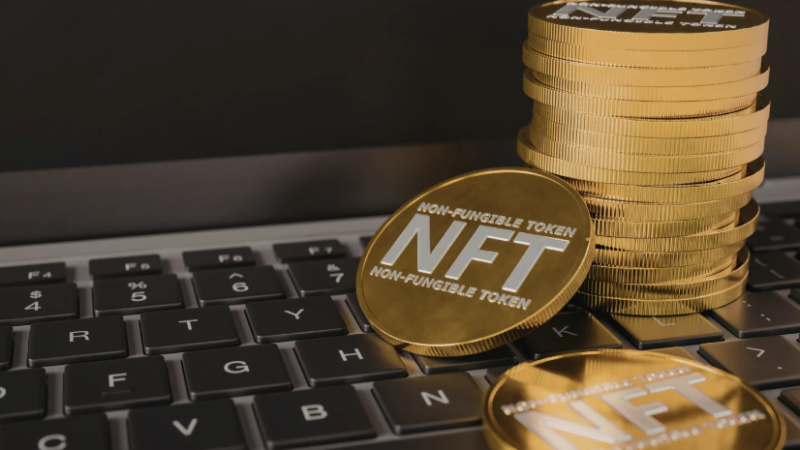
NFT stands for Non-Fungible Token. Unlike cryptocurrencies like Bitcoin, NFTs are unique digital assets stored on the blockchain. They prove ownership and authenticity of items such as digital art, music, videos, and even virtual land.
Why Create Your First NFT?
Creating your first NFT opens the door to:
- Monetizing your digital creations
- Reaching global collectors
- Building a brand in the Web3 space
- Exploring new technology firsthand
It’s more than a trend — it’s a creative revolution.
Step 1: Decide What to Tokenize
Before minting, decide which digital asset you want to turn into an NFT. Options include:
- Artwork or illustrations
- Photography
- Music and sound clips
- Short videos or animations
- Documents or collectibles
Choose something you own or created yourself to avoid copyright issues.
Step 2: Pick the Right Blockchain
NFTs are built on blockchains. The most popular choices include:
- Ethereum: The largest ecosystem with high visibility but higher fees.
- Polygon: Eco-friendly and low-cost alternative.
- Solana: Fast and inexpensive with growing support.
- Tezos: Known for sustainability and affordable minting.
Your choice affects fees, marketplaces, and audience.
Step 3: Set Up a Crypto Wallet
To create your first NFT, you’ll need a digital wallet to store tokens and interact with marketplaces. Popular options include:
- MetaMask (Ethereum and Polygon)
- Phantom (Solana)
- Temple Wallet (Tezos)
Download the wallet, set up an account, and safely store your recovery phrase.
Step 4: Fund Your Wallet with Crypto
Minting an NFT usually requires paying “gas fees.” Buy cryptocurrency from an exchange like Coinbase, Binance, or Kraken, then transfer it to your wallet. Ethereum is most common, but check which blockchain you’ve chosen.
Step 5: Choose an NFT Marketplace
Different platforms serve different audiences:
- OpenSea: The largest marketplace, supporting Ethereum, Polygon, and Solana.
- Rarible: Community-driven and beginner-friendly.
- Foundation: Curated, high-quality digital art.
- Magic Eden: Focused on Solana NFTs.
Pick one that aligns with your goals.
Step 6: Connect Your Wallet to the Marketplace
Go to your chosen platform and connect your wallet. Most sites offer a “Connect Wallet” button. Approve the connection from your wallet app to continue.
Step 7: Upload Your Digital File
Now it’s time to mint. Upload the digital file you want to tokenize — whether it’s an image, song, or video. Marketplaces typically support formats like JPG, PNG, MP4, or MP3.
Step 8: Add Metadata to Your NFT
Metadata adds personality and context. Include:
- Title and description
- Properties or attributes (e.g., colors, rarity levels)
- Unlockable content (such as bonus files or messages)
The more detail you provide, the more appealing your NFT becomes.
Step 9: Choose Between a Single NFT or a Collection
Decide if you want to mint:
- A single NFT: Best for one-of-a-kind creations.
- A collection: Multiple NFTs under one theme (like trading cards or series).
Collections can boost visibility in marketplaces.
Step 10: Set Pricing Options
You can choose:
- Fixed Price: Set a specific amount of crypto.
- Auction: Let buyers bid, either timed or unlimited.
- Free Mint: Common for growing communities; buyers only pay gas fees.
Pick a model based on your goals and audience.
Step 11: Pay Minting Fees
When you hit “Create” or “Mint,” your wallet will prompt you to approve the transaction. This is where you pay the blockchain fee. Once confirmed, your NFT is officially minted and stored on the blockchain.
Step 12: List Your NFT for Sale
After minting, choose whether to list your NFT for sale. Add pricing, duration, and terms. Some marketplaces also let you set royalties so you earn a percentage every time your NFT resells.
Tips for Successfully Creating Your First NFT
- Focus on originality and creativity.
- Use social media to promote your NFT.
- Consider adding exclusive perks to increase value.
- Engage with NFT communities to build trust.
- Start small to learn without big risks.
Common Mistakes to Avoid When You Create Your First NFT
- Ignoring copyright laws
- Forgetting to factor in gas fees
- Overpricing your NFT too soon
- Skipping community engagement
- Not securing your wallet properly
Avoid these pitfalls to protect your work and investment.
The Future of NFTs for Creators
NFTs are expanding beyond art into gaming, fashion, real estate, and even event tickets. By creating your first NFT today, you position yourself at the forefront of digital ownership and innovation.
Conclusion: Your First Step into Web3
Learning how to create your first NFT may seem overwhelming, but once you follow the steps, the process becomes clear. From choosing your digital asset to minting and listing, every stage is a learning opportunity. The future of creativity is digital, and your first NFT is your passport into this exciting new world.
FAQ
1. Do I need coding skills to create my first NFT?
No. Marketplaces like OpenSea and Rarible make minting simple with no coding required.
2. How much does it cost to mint an NFT?
Costs vary by blockchain. On Ethereum, gas fees can be high, while Polygon and Solana are cheaper.
3. Can I create NFTs for free?
Yes. Some platforms offer “lazy minting,” where fees are paid only when your NFT sells.
4. What files can I turn into NFTs?
You can mint images, videos, music, 3D models, or documents as NFTs.
5. Can I sell my first NFT right away?
Yes. Once minted, you can list your NFT for sale at a fixed price or through an auction.