Virtual Reality vs. Metaverse: What’s the Difference?

Introduction: A Tale of Two Worlds
The words “virtual reality” and “metaverse” often appear together, almost as if they mean the same thing. But are they? While virtual reality (VR) immerses you in a computer-generated environment, the metaverse is a shared digital universe that connects many such experiences. To understand the future of digital life, we need to explore virtual reality vs metaverse in detail.
What Is Virtual Reality?
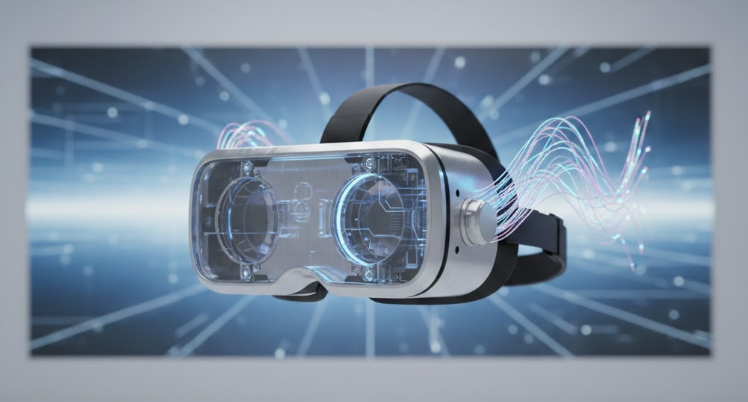
Virtual reality is technology that transports you into a simulated environment. With a VR headset, sensors, and controllers, you can step into games, training simulations, or 3D worlds that feel almost real. VR is all about immersion — giving you the sensation of being inside another world.
What Is the Metaverse?
The metaverse is a vast network of digital spaces where people interact, work, play, and create. Think of it as a digital society where VR, augmented reality (AR), blockchain, and social platforms come together. It isn’t just one app — it’s an ecosystem of interconnected worlds.
Virtual Reality vs. Metaverse: The Core Difference
The biggest difference lies in scope. VR is a tool — a technology that creates immersive environments. The metaverse is the destination — a digital universe where VR (along with other technologies) plays a part.
How Virtual Reality Powers the Metaverse
VR is one of the main entry points to the metaverse. Just as a car takes you to a city, a VR headset takes you into metaverse spaces. Without VR, you can still access the metaverse via computers or phones, but VR makes it immersive.
Hardware: VR vs. Metaverse Access
- VR Hardware: Headsets like Oculus Quest, HTC Vive, or PlayStation VR.
- Metaverse Access: VR headsets, PCs, smartphones, and AR glasses.
The metaverse is more flexible, while VR depends heavily on specialized hardware.
Experiences in Virtual Reality vs. Metaverse
- Virtual Reality: Focuses on individual experiences like games, training, or meditation apps.
- Metaverse: Focuses on social experiences — shopping, attending concerts, buying land, or working remotely.
One is personal immersion, the other is collective participation.
Social Interaction: Where They Diverge
Virtual reality can be a solo activity. You might explore a VR game alone. The metaverse, however, is designed for interaction. It’s where avatars meet, communities form, and digital economies thrive.
Virtual Reality vs. Metaverse in Gaming
Gaming showcases the overlap best.
- In VR: You play immersive games like Beat Saber or Half-Life: Alyx.
- In the Metaverse: You socialize, trade items, and attend events in platforms like Roblox, Decentraland, or Fortnite.
The difference? VR is the medium, the metaverse is the playground.
Digital Ownership in the Metaverse
Here’s where VR cannot compete: ownership. The metaverse uses blockchain and NFTs to let users own digital land, fashion, or collectibles. VR by itself doesn’t provide ownership — it’s limited to experiences.
Economic Opportunities: VR vs. Metaverse
- VR Economy: Driven by hardware sales, software, and app development.
- Metaverse Economy: Driven by virtual real estate, NFTs, digital goods, and decentralized finance (DeFi).
The metaverse is more of a marketplace, while VR is more of a technology sector.
Virtual Reality vs. Metaverse in Work and Education
- VR: Used for simulations, training, and immersive classrooms.
- Metaverse: Expands into coworking, networking events, and global virtual campuses.
VR improves specific tasks; the metaverse reshapes entire industries.
The Role of Augmented Reality in the Metaverse
Unlike VR, the metaverse isn’t limited to full immersion. Augmented reality (AR) overlays digital content on the real world. This mix allows smartphones and AR glasses to connect users to the metaverse without VR gear.
Limitations of VR Compared to the Metaverse
- VR is limited by expensive hardware and isolated apps.
- The metaverse offers cross-platform, community-driven experiences.
- VR can feel isolating, while the metaverse is inherently social.
Examples of Virtual Reality Applications
- Medical training simulations
- Architecture visualization
- Entertainment (movies, games)
- Virtual tourism
VR thrives in focused, immersive experiences.
Examples of Metaverse Platforms
- Decentraland: Virtual land and NFT ownership.
- Roblox: Social gaming with millions of creators.
- Horizon Worlds: Meta’s VR-powered social platform.
- Sandbox: A creative metaverse tied to blockchain.
Each combines social interaction, ownership, and community.
Future of Virtual Reality vs. Metaverse
The future isn’t about VR vs metaverse — it’s about VR within the metaverse. As technology matures, VR, AR, AI, and blockchain will blend seamlessly to create a global digital society.
Conclusion: Different Tools, Same Journey
When comparing virtual reality vs metaverse, the difference is clear. VR is technology that delivers immersion, while the metaverse is a vast network of digital experiences. Both are shaping the future, but together, they will transform how we live, work, and play.
FAQ
1. What’s the main difference between VR and the metaverse?
VR is technology for immersion, while the metaverse is a connected digital universe.
2. Do you need VR to access the metaverse?
No. You can join via PCs, phones, or AR devices, though VR makes it immersive.
3. Can VR exist without the metaverse?
Yes. VR has standalone apps and uses outside the metaverse, like training and gaming.
4. Does the metaverse require blockchain?
Not always, but blockchain adds ownership, economies, and decentralization.
5. Which has more potential: VR or metaverse?
The metaverse has broader potential, while VR enhances immersion within it.