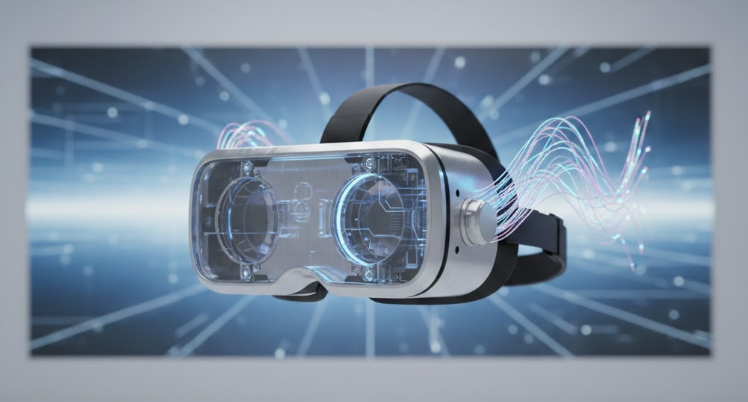
Virtual Metaverse Esports The Next Big Competitive Trend

If you’ve followed gaming even a little, you know how fast the industry evolves. But the latest shift feels different. Something bigger is happening beneath the surface, and it’s transforming how people play, compete, and connect. That something is virtual metaverse esports, and it’s on track to become the next major wave in digital entertainment.
Players are no longer limited to flat screens or traditional tournaments. Instead, they’re stepping into immersive worlds where competition feels more like a living experience than a streamed broadcast. The metaverse isn’t just a new platform—it’s a new dimension where esports can grow bigger, louder, and more interactive than ever.
In this article, we’ll explore why virtual metaverse esports are exploding in popularity, how they’re changing competitive gaming, and what this trend means for players, fans, and creators. You’ll discover why so many people believe the metaverse is the natural next step in esports evolution.
Why Virtual Metaverse Esports Are Taking Off
Esports has seen incredible growth over the past decade. Yet the metaverse introduces something entirely new: immersive participation. Instead of watching your favorite player on a screen, you can stand inside the arena, surrounded by digital crowds, custom avatars, and interactive environments.
Players feel more connected. Fans feel more involved. And creators have endless room for experimentation. Because of this shift, virtual metaverse esports are becoming the perfect fusion of gaming, tech, and entertainment.
Immersion Makes Competition Feel Real
Traditional esports relies on spectators watching pros perform on a screen. But in the metaverse, fans can walk around, view matches from any angle, and interact with other attendees. This freedom makes every event feel personal.
Imagine walking into a glowing arena made entirely of light. Imagine hearing virtual crowds cheer as avatars collide in intense battles. The metaverse makes this possible, creating a sense of presence that flat screens can’t match.
Identity and Customization Drive Engagement
Players love expressing themselves. The metaverse amplifies this by allowing full customization. Gamers create avatars, wear digital fashion, and use unique effects that follow them into battle. This personal identity becomes part of the competitive experience.
Virtual metaverse esports encourage creativity, and that creativity keeps players engaged longer.
How Technology Is Powering the Rise of Virtual Metaverse Esports
To understand why this trend is exploding, you need to look at the technologies powering it. Blockchain, VR, AR, NFTs, and high-speed networks all work together to support these massive digital environments.
Blockchain Ensures Real Ownership
In many metaverse games, players can own items as NFTs. This means weapons, skins, arenas, or even entire characters belong to the player—not the platform. Ownership makes competition more meaningful.
If someone wins an exclusive trophy, they hold the actual asset. If someone buys rare gear for tournaments, they can trade, sell, or collect these items. This sense of permanence adds depth to virtual metaverse esports.
VR and AR Make Esports Fully Immersive
Virtual reality headsets allow players to step inside the game. Augmented reality overlays digital elements onto the physical world. Together, they create unparalleled realism.
Whether you’re swinging a virtual weapon or piloting a futuristic drone, movement feels natural. When your actions directly influence gameplay, competition becomes far more intense.
High-Speed Internet Supports Large-Scale Events
Lag ruins competitions. But with faster global networks, massive multiplayer tournaments run smoothly. As connectivity improves, more players and fans can participate simultaneously. This scalability pushes virtual metaverse esports into mainstream territory.
The Growing Opportunities for Gamers in Metaverse Esports
Gamers aren’t just participants—they’re pioneers in a new digital frontier. Virtual metaverse esports unlock earning potential, new roles, and opportunities no one imagined twenty years ago.
Competitive Play Creates Real Income Streams
Skilled players can earn through:
- Tournament prizes
- Sponsorships
- NFT trading
- Arena hosting
- Digital merchandise
Winning no longer means a simple leaderboard position. It means revenue, recognition, and long-term digital careers.
Creators Thrive in Player-Driven Economies
Players can build custom maps, skins, or interactive environments. These creations become assets. When sold or traded, they generate stable income. Some creators already operate full-time businesses inside the metaverse.
Virtual metaverse esports make creativity profitable.
Casual Gamers Can Earn Too
Not every gamer needs pro-level skill. Casual players can still earn through:
- Renting rare items
- Streaming events
- Hosting virtual viewing parties
- Participating in community-driven competitions
The metaverse democratizes opportunity, offering pathways for everyone.
Why Fans Love Watching Virtual Metaverse Esports
Fans have always played a big role in esports, but the metaverse takes fandom to another level. Watching no longer feels passive. Fans become part of the show.
Interactive Viewing Enhances the Experience
Instead of being stuck with a single camera angle, fans choose where to stand. They can:
- Walk around the arena
- Sit in VIP zones
- Float above the battlefield
- Interact with other spectators
- Meet avatars of their favorite players
This turns spectators into participants.
Virtual Events Feel Bigger Than Real Life
Real-world arenas have limits—seats, size, lighting, and physical design. The metaverse has no such limitations. Stadiums can float in the sky. Lights can react to gameplay. Fireworks can explode without safety concerns.
These environments make virtual metaverse esports feel more like epic digital concerts than traditional competitions.
Major Platforms Leading the Metaverse Esports Revolution
Several platforms are driving the growth of virtual metaverse esports. Each one brings something unique to the table.
Decentraland
Supports:
- Player-run tournaments
- Community-created arenas
- Custom sports events
- Interactive challenges
Decentraland blends esports with player creativity.
The Sandbox
Allows players to design games, arenas, and competitions. With its voxel design and strong creator tools, it encourages experimentation.
Roblox
Although not blockchain-based, Roblox hosts massive competitive events. Its creator ecosystem aligns closely with metaverse gamer culture.
Otherside
Combines metaverse interaction with detailed gameplay mechanics. Competitive events are expected to grow rapidly here.
These platforms prove that virtual metaverse esports are expanding across many digital worlds.
The Business Side of Virtual Metaverse Esports
Behind every major trend is a powerful business ecosystem. Brands, teams, and organizations are investing heavily in virtual metaverse esports because they see its long-term potential.
Brands Reach Larger and More Engaged Audiences
Traditional advertising feels intrusive. But in the metaverse, brands can:
- Sponsor arenas
- Launch virtual merchandise
- Host events
- Create immersive mini-games
This engagement feels natural rather than forced.
Esports Teams Enter the Metaverse
Teams see opportunity in training facilities, branded apparel, and avatar meetups. They can expand their fanbase and offer entirely new experiences.
Investors Are Fueling Metaverse Growth
Funding flows into metaverse gaming because investors see rising demand. As more money enters the ecosystem, tournaments get larger and more polished.
The Future of Virtual Metaverse Esports
The momentum isn’t slowing. Virtual metaverse esports are shaping the future of competition in ways that feel both exciting and inevitable.
Cross-World Tournaments Will Become Normal
Players may compete across multiple metaverse platforms in a single event. Imagine a triathlon-style esports competition across three different virtual worlds.
AI Opponents Will Train Players
AI-powered coaches will help players sharpen skills quickly. This makes training accessible to anyone.
Esports Will Blend With Entertainment
Concerts, competitions, and story-driven events will merge into hybrid experiences. Fans will enjoy more than a match—they’ll enjoy an adventure.
Virtual Careers Will Replace Traditional Roles
Gamers, designers, commentators, developers, event planners, and analysts will build full-time careers inside the metaverse.
This future is already forming, and virtual metaverse esports are leading the transformation.
Conclusion
Virtual metaverse esports aren’t just a trend—they’re a revolution in competitive gaming. With immersive worlds, real asset ownership, interactive events, and endless opportunities for both players and fans, the metaverse is redefining what esports can be. As technology advances and communities expand, virtual metaverse esports will continue shaping the future of entertainment, competition, and digital identity. Whether you’re a gamer, creator, or spectator, this next big trend is impossible to ignore—and even more exciting to participate in.
FAQ
- What are virtual metaverse esports?
They are competitive gaming events hosted inside immersive digital worlds where players use avatars and virtual assets. - Why are metaverse esports becoming popular?
They offer immersion, customization, decentralization, and unique experiences unavailable in traditional esports. - Can gamers earn money from metaverse esports?
Yes, through tournaments, sponsorships, content creation, trading assets, and hosting virtual events. - Do I need VR to participate?
No, although VR enhances immersion, most platforms support PC and mobile access. - Will virtual metaverse esports replace traditional esports?
Not completely, but they will become a major part of the esports ecosystem and expand competitive gaming in new directions.