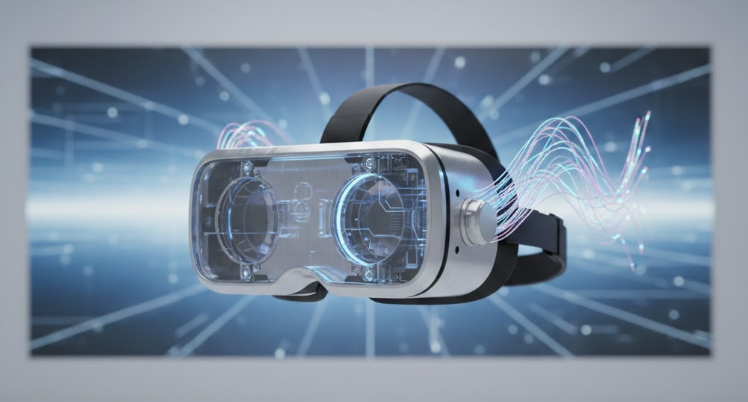
Metaverse Fitness Future with Virtual Gyms and Trainers
The metaverse fitness future is already taking shape, and it’s transforming how we think about health, motivation, and movement. Instead of driving to a gym or pressing play on a flat workout video, people are entering dynamic digital worlds where exercise feels immersive and fun. Although this shift may seem futuristic, millions of users are already embracing it. Because virtual reality makes fitness more interactive, it helps people stay consistent without relying on traditional routines.
Technology and wellness are merging in exciting ways. As virtual gyms and digital trainers grow more advanced, exercising becomes accessible from anywhere. Additionally, people gain the freedom to design their ideal workout environments. This level of control makes fitness more enjoyable because it removes many barriers that once discouraged beginners.
Why the Metaverse Fitness Future Is Gaining Popularity
There are many reasons the metaverse fitness future is gaining momentum. To start, it eliminates common obstacles such as commuting and social discomfort. Moreover, users feel more motivated when workouts take place in visually engaging spaces. Instead of fighting boredom, people interact with environments that energize them.
Another important factor is flexibility. Since every workout can be customized, people of all fitness levels benefit from personalized experiences. As a result, more individuals feel comfortable starting their fitness journey in a supportive digital space.
How Virtual Gyms Work in the Metaverse
Virtual gyms are central to the metaverse fitness future because they recreate workout environments in a highly immersive way. These spaces can resemble real studios or imaginative landscapes such as mountaintops, neon arenas, or calm gardens. Additionally, users can switch locations instantly, which keeps fitness routines interesting.
Inside these gyms, people perform traditional exercises while enjoying advanced features like interactive equipment, real-time tracking, and visual feedback. Since the metaverse removes physical limits, virtual gyms can expand or evolve in ways that physical spaces cannot. Therefore, users often remain more engaged and motivated during their sessions.
Why Virtual Trainers Are Becoming More Advanced
Virtual trainers have become a powerful part of the metaverse fitness future. They now use machine learning, motion tracking, and biometric data to deliver personalized coaching. As they learn from your progress, their guidance becomes more accurate. Furthermore, virtual trainers eliminate intimidation because users can practice freely without pressure.
Unlike human coaches, digital trainers are available anytime. Although they can’t replace the emotional support of a real person, they do provide consistent structure. Because consistency matters more than anything else, these trainers help thousands of people stick to their routines.
The Role of Gamification in the Metaverse Fitness Future
Gamification keeps users engaged by turning workouts into exciting challenges. People earn badges, level up, or compete on leaderboards. As a result, they feel more motivated to return each day. Additionally, gameplay rewards activate natural motivation pathways, making exercise feel rewarding instead of repetitive.
Virtual fitness games also encourage progression. Since every session offers new achievements, users experience continual growth. This momentum helps them stay committed long-term.
Why Virtual Group Workouts Are Exploding in Popularity
Virtual group workouts continue to grow because they offer connection without physical presence. People join classes with friends, coworkers, or global users, all while exercising from home. Group energy boosts motivation, and the shared atmosphere feels encouraging.
Furthermore, virtual group sessions level the playing field. Everyone participates through avatars, so there’s no pressure or self-consciousness. Because the metaverse removes these barriers, more people feel comfortable joining group fitness experiences.
How Personalized Fitness Will Improve With the Metaverse
Personalization is a major strength of the metaverse fitness future. While traditional gyms provide limited customization, digital spaces adapt instantly. Users can modify difficulty, style, duration, or environment in seconds. In addition, AI systems analyze performance data and adjust routines automatically.
Since personalized plans support long-term success, this evolving technology will help more users achieve their goals. The combination of adaptive training and immersive environments creates an experience tailored to individual needs.
The Future of Cardio Workouts in Virtual Worlds
Cardio workouts feel radically different in virtual worlds. Rather than staring at a wall or a screen, users sprint through forests, futuristic cities, or obstacle courses. As environments react to speed and movement, cardio becomes an adventure.
Because these experiences are constantly evolving, users avoid the monotony of traditional cardio. They feel more engaged, stay in the zone longer, and often push themselves harder.
Strength Training in the Metaverse
Strength training in the metaverse blends digital feedback with physical movement. AI identifies form issues, counts reps, and suggests corrections. While real resistance still relies on equipment, virtual enhancements help people improve their technique.
Furthermore, adaptive programs track progress over time. This allows users to push themselves safely while still enjoying an immersive environment.
Mindfulness and Mental Fitness in the Metaverse
Mental wellness experiences are expanding rapidly within the metaverse. Users can meditate in tranquil landscapes, breathe through guided sessions, or relax inside calming soundscapes. Because stress reduction enhances physical performance, mental fitness becomes a natural extension of virtual training.
These virtual escapes offer emotional relief, helping people unwind more effectively. As the metaverse evolves, these mindfulness features will likely become even more personalized.
Why the Metaverse Improves Accessibility in Fitness
The metaverse improves accessibility by offering flexible, judgment-free environments. People with limited mobility or busy schedules can still participate fully in fitness activities. Additionally, beginners feel more confident because they can exercise privately while receiving accurate guidance.
Since digital spaces can adapt to any ability level, barriers disappear. This inclusive design allows more people to enjoy consistent and rewarding fitness routines.
How Digital Fitness Will Evolve With AI Integration
AI integration will shape the next era of the metaverse fitness future. Virtual trainers will analyze habits, detect movement errors, and adjust plans instantly. As they become more intuitive, these AI systems will deliver guidance that feels increasingly human.
Furthermore, AI will help users understand recovery needs, fatigue levels, and stress patterns. This deeper insight will support smarter training decisions and better long-term outcomes.
The Role of Wearable Tech in the Metaverse Fitness Future
Wearable technology enhances accuracy. Devices capture heart rate, motion, posture, and breathing patterns. Virtual trainers then use this information to create detailed feedback. As sensors improve, the digital fitness experience will become even more responsive.
Because wearables help prevent injuries and track progress, they are essential companions for metaverse workouts.
The Community Impact of the Metaverse Fitness Future
Communities thrive in digital gyms because they bring people together through shared goals. Users join challenges, form fitness groups, and motivate each other. This sense of belonging fosters accountability and commitment.
Additionally, global participation means people connect with others they might never meet otherwise. These relationships make the metaverse feel welcoming and supportive.
Conclusion
The metaverse fitness future is reshaping how people move, learn, and stay motivated. Virtual gyms, digital trainers, and immersive environments transform exercise into engaging, personalized experiences. Because fitness becomes flexible and enjoyable, more people stay consistent. The future of wellness blends technology with human potential—and it’s only just beginning.
FAQ
1. What is the metaverse fitness future?
It refers to immersive virtual workouts using VR gyms, AI trainers, and customizable environments.
2. Are virtual gyms effective for real training?
Yes. They provide interactive exercises, real-time tracking, and supportive digital coaching.
3. How do AI trainers enhance workouts?
They analyze form, adapt routines, and create personalized workout plans.
4. Can beginners benefit from metaverse fitness?
Absolutely. The environment adapts to personal needs and offers gentle guidance.
5. Will virtual fitness replace traditional gyms?
Not completely. Instead, it will complement physical gyms and expand fitness options for everyone.