Metaverse Entertainment Concerts Are Changing Live Experiences
The idea of attending a concert without leaving your home once felt distant, almost futuristic. Today, however, metaverse entertainment concerts are turning that vision into a living reality. Instead of standing in long lines or fighting crowds, fans can step into digital worlds where music, storytelling, and technology merge. As a result, entertainment is no longer limited by physical space or geography.
At its core, the metaverse represents shared virtual environments where people interact in real time. When applied to entertainment, this concept reshapes how artists perform and how audiences engage. Rather than simply watching a stage, fans become part of a living, breathing experience. In many cases, the concert feels more like an interactive journey than a traditional show.
Moreover, this shift is not just about convenience. It is about redefining emotional connection. Through immersive visuals, customizable avatars, and real-time interaction, metaverse entertainment concerts offer experiences that physical venues cannot always match. Consequently, both artists and fans are discovering new ways to connect, express creativity, and build community.
The Evolution of Live Entertainment in Digital Spaces
Live entertainment has always adapted to new technology. Radio expanded reach. Television added visuals. Streaming made content on-demand. Now, the metaverse represents the next major leap. Instead of passively consuming content, audiences actively participate in it.
Initially, virtual concerts were simple livestreams. While effective, they lacked presence. Over time, however, platforms began introducing 3D environments, social interaction, and gamified elements. As a result, metaverse entertainment concerts evolved into fully immersive events where fans could explore digital venues together.
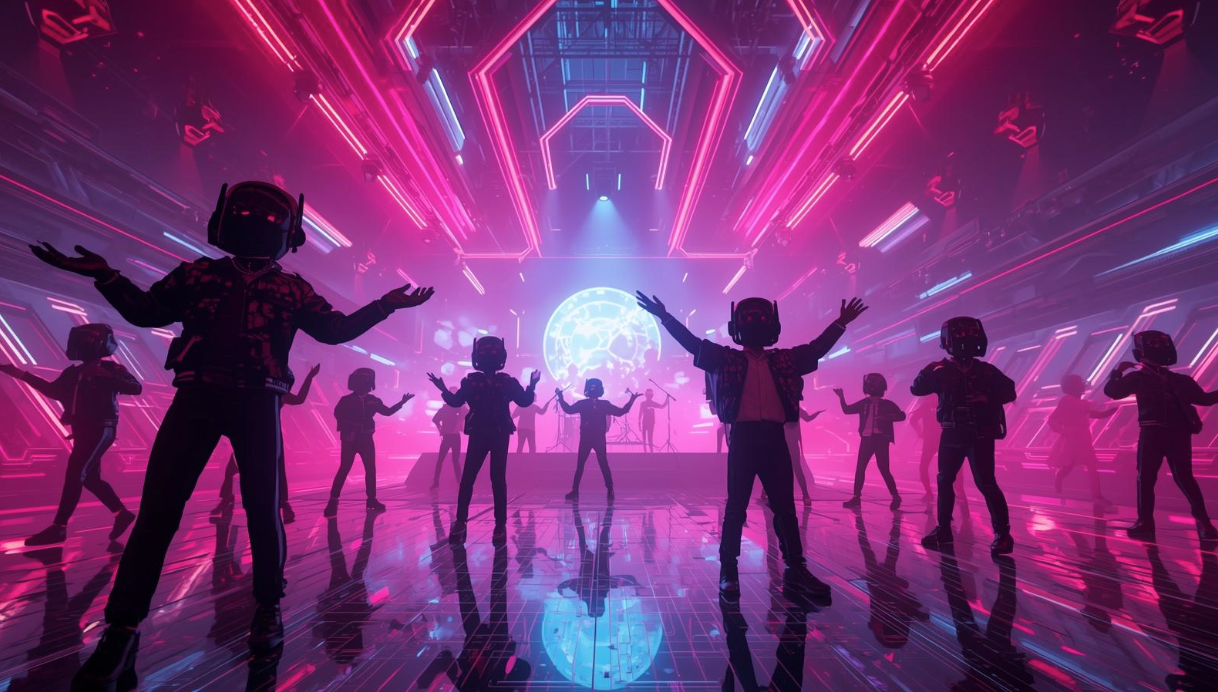
Furthermore, these environments allow for creativity without physical limits. Stages can float in space. Visual effects can defy gravity. Artists can perform as digital avatars or shift forms mid-show. Because of this freedom, concerts become cinematic experiences rather than fixed performances.
At the same time, accessibility improves. Fans from different countries can attend the same event instantly. Tickets are often more affordable, and travel barriers disappear. Consequently, the audience becomes truly global, strengthening fan communities across borders.
How Artists Are Using the Metaverse to Expand Creativity
For artists, the metaverse is more than a new venue. It is a creative playground. Traditional concerts rely on lighting, sound, and choreography. In contrast, metaverse entertainment concerts allow artists to design entire worlds that reflect their identity and message.
Some performers build fantasy landscapes inspired by their albums. Others create interactive storylines where fans influence the show’s direction. Because digital assets can be updated in real time, performances feel dynamic and unpredictable. This flexibility keeps audiences engaged and curious.
In addition, artists gain greater control over presentation. They are no longer limited by venue size, stage design costs, or physical logistics. Instead, creativity leads the process. As a result, even emerging artists can produce visually stunning concerts without massive budgets.
Monetization also evolves. Beyond ticket sales, artists can sell digital merchandise, exclusive avatar skins, or limited virtual collectibles. These items often carry emotional value, strengthening fan loyalty. Consequently, the metaverse becomes both a creative and sustainable space for performers.
The Fan Experience Inside Metaverse Entertainment Concerts
From a fan’s perspective, metaverse entertainment concerts feel personal and interactive. Instead of being one face in a crowd, each attendee enters as a unique avatar. This sense of presence changes how fans experience shows.
First, social interaction becomes central. Friends can attend together, chat in real time, and explore virtual spaces before and after performances. In many cases, these interactions feel more meaningful than scrolling through comments on a livestream.
Second, personalization enhances enjoyment. Fans can choose camera angles, customize their avatars, or unlock exclusive areas. This level of control makes the experience feel tailored rather than generic. As a result, engagement remains high throughout the event.
Finally, immersion deepens emotional impact. Surround sound, responsive visuals, and interactive elements create moments that linger in memory. While physical concerts rely on atmosphere, metaverse experiences build entire worlds around the music.
Technology Powering the Metaverse Concert Revolution
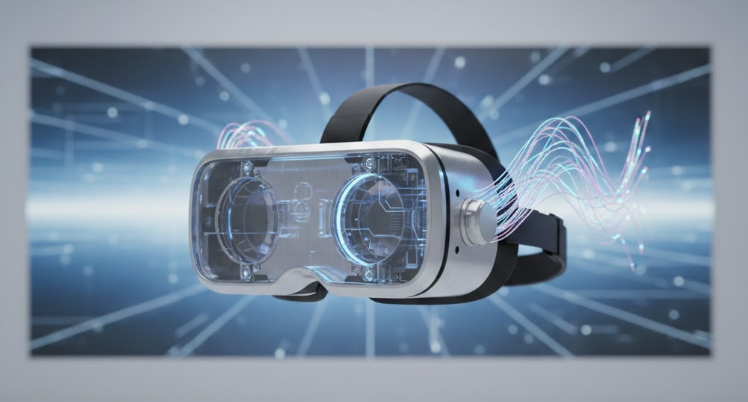
Behind every metaverse entertainment concert lies advanced technology working seamlessly together. Virtual reality, augmented reality, and 3D engines form the foundation. These tools create environments that feel alive and responsive.
Game engines play a crucial role. They render real-time graphics, manage physics, and enable interaction among thousands of users. As hardware improves, visuals become smoother and more realistic. Consequently, immersion increases with each technological advance.
Blockchain technology also contributes. Digital ownership, secure transactions, and virtual assets rely on decentralized systems. This allows fans to truly own collectibles and artists to verify authenticity. While complex, these systems support long-term growth and trust.
Cloud computing ensures scalability. Large audiences can attend without performance issues. As a result, metaverse entertainment concerts can host millions simultaneously, something impossible in physical venues.
Economic Opportunities in Metaverse Entertainment
The rise of metaverse entertainment concerts creates new economic ecosystems. Artists, developers, designers, and marketers all find opportunities within these digital spaces. Because virtual environments require constant updates, collaboration becomes ongoing.
Brands also enter the picture. Sponsorships in the metaverse feel more integrated than traditional ads. Virtual billboards, branded experiences, or interactive challenges blend seamlessly into concerts. As a result, marketing feels less intrusive and more engaging.
For fans, value extends beyond attendance. Virtual items can be resold or traded. Exclusive access passes can unlock future events. These elements add layers of engagement and perceived value.
At the same time, creators gain data-driven insights. Engagement metrics, movement patterns, and interaction rates help refine future events. Consequently, entertainment becomes more responsive to audience preferences.
Challenges Facing Metaverse Concert Experiences
Despite its promise, the metaverse faces challenges. Accessibility remains a concern. Not all fans have high-end devices or stable internet connections. While platforms strive to optimize performance, technical barriers still exist.
Additionally, digital fatigue is real. Spending long hours in virtual environments can be tiring. Designers must balance immersion with comfort. Otherwise, engagement may decline over time.
There are also questions around authenticity. Some fans worry that virtual concerts lack the raw energy of physical shows. While metaverse entertainment concerts offer unique advantages, they cannot fully replace the feeling of standing in front of a live stage.
However, these challenges encourage innovation. As technology improves and user feedback grows, experiences continue to evolve.
The Future of Entertainment and Concerts in the Metaverse
Looking ahead, metaverse entertainment concerts will likely coexist with traditional events. Rather than replacing physical shows, they expand options. Hybrid concerts, combining live audiences with virtual attendees, already point in this direction.
As hardware becomes more accessible, immersion will deepen. Haptic feedback, spatial audio, and AI-driven environments will enhance realism. Consequently, the line between physical and digital experiences will blur further.
Artists will continue experimenting. New genres, interactive narratives, and collaborative performances will emerge. Fans will expect more than just music. They will seek experiences that resonate emotionally and socially.
Ultimately, the metaverse redefines what a concert can be. It transforms entertainment from a moment into a shared world.
Conclusion
Metaverse entertainment concerts are reshaping the landscape of live experiences. By blending technology, creativity, and community, they offer something entirely new. While challenges remain, the potential is undeniable. As artists and fans continue exploring these digital worlds, entertainment becomes more inclusive, immersive, and imaginative. The concert of the future is no longer just a stage. It is a universe waiting to be entered.
FAQ
1. What are metaverse entertainment concerts?
They are live or recorded performances hosted in virtual worlds where audiences interact through avatars.
2. Do I need special equipment to attend metaverse concerts?
Some events require VR headsets, while others work on standard devices like computers or smartphones.
3. Are metaverse concerts replacing physical concerts?
No. They complement physical events by offering alternative and hybrid experiences.
4. Can artists earn money from metaverse concerts?
Yes. Revenue comes from tickets, digital merchandise, collectibles, and brand partnerships.
5. Why are fans drawn to metaverse entertainment concerts?
Fans enjoy global access, personalization, immersive visuals, and real-time social interaction.