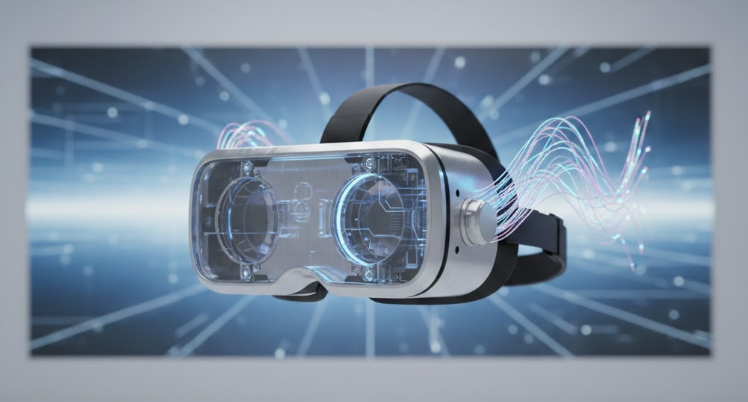
Metaverse Employee Training How Companies Use It Today

The rise of metaverse employee training is changing how companies teach, onboard, and upskill their teams. Because workplaces keep evolving, traditional training methods no longer keep pace. Employees want engaging learning experiences. Companies want measurable results. And in today’s fast-moving industries, everyone wants training that feels relevant, practical, and easy to apply. That’s exactly why metaverse employee training is becoming so popular.
Imagine entering a virtual environment where you can practice skills without fear, repeat tasks as often as needed, collaborate with teammates across the world, and learn in a space that adapts to your pace. Instead of sitting through long presentations or reading dense manuals, you step inside the lesson itself. Training becomes an experience—not an obligation. Because the metaverse blends immersion, interactivity, and realistic simulation, employees learn faster and retain more.
Companies from every industry are exploring metaverse employee training. Some use it for onboarding. Others use it for customer service, leadership development, safety programs, and technical skill practice. No matter the application, the goal stays the same: create learning that feels real enough to practice, safe enough to explore, and engaging enough to remember.
In this article, we’ll explore how metaverse employee training works, why companies love it, and what advantages it provides over traditional training. You’ll also learn about challenges, best practices, examples, and the future of virtual workforce development.
Why the Metaverse Matters for Employee Training
Before diving into how companies use the metaverse for employee training, it helps to understand the deeper reasons behind its rapid adoption. Training in the metaverse solves problems that organizations have struggled with for decades.
Traditional training often falls short. Employees forget information quickly, lose focus, or feel overwhelmed. Live workshops, while valuable, require travel, coordination, and scheduling. E-learning modules may deliver information, yet they rarely deliver deep understanding.
Metaverse employee training changes that dynamic. It creates a hybrid environment where learning becomes hands-on, sensory, and interactive. Because people learn best by doing, virtual simulations give them a chance to practice skills without real-world consequences. Companies can also deliver consistent training across locations, reduce training costs, and track learner performance with precision.
As work becomes more digital, it makes sense that training would follow. The metaverse offers a natural upgrade to outdated approaches by blending content, experience, and technology into something employees actually enjoy.
How Companies Use the Metaverse for Employee Training
Organizations across industries are now implementing metaverse employee training in creative and effective ways. Because virtual environments can mirror real-world scenarios, companies build training programs that feel authentic and practical.
Immersive Onboarding Experiences
Employee onboarding sets the tone for someone’s entire job experience. Yet many onboarding programs rely on paperwork and long presentations. Companies now use the metaverse to create interactive orientations where new hires explore virtual offices, meet the team, and walk through processes step-by-step.
This approach makes onboarding memorable. It reduces first-day anxiety and helps people absorb new information quickly. Because the environment is virtual, companies can offer the same high-quality onboarding experience to every employee, regardless of location.
Hands-On Technical Training
For roles requiring precision, metaverse employee training provides an incredible advantage. Employees can practice repairs, assembly lines, product handling, and equipment operation in virtual simulations. If they make a mistake, there’s no risk. Instead, they learn safely while building confidence.
Industries like manufacturing, automotive, aerospace, and healthcare use virtual training to teach complex tasks. Because simulations feel realistic, employees learn by doing, not by guessing.
Customer Service and Soft-Skills Development
Many companies rely on strong communication, empathy, and service skills. In the metaverse, employees can role-play customer interactions, practice conflict resolution, and build confidence in supportive scenarios.
Virtual customers respond dynamically, allowing employees to adapt in real time. They learn what works, adjust their tone, and explore different approaches without fear of embarrassment.
Leadership and Management Training
Leadership development often requires practice, yet real-world consequences make it difficult to experiment. Metaverse employee training gives managers a safe place to try new strategies. They can run through simulations involving team conflict, coaching conversations, or project management challenges.
Because the metaverse creates controlled environments, leaders receive immediate feedback. They practice skills that build emotional intelligence, decision-making, and communication.
Safety and Emergency Response Training
Safety training becomes significantly more effective in an immersive setting. Employees can walk through fire drills, chemical spill procedures, security protocols, and emergency scenarios. Because these situations feel real, the lessons stick.
Companies in construction, energy, transportation, and logistics use virtual training to reduce accidents. Employees practice procedures that prepare them for real-life emergencies without exposing them to danger.
Diversity, Inclusion, and Bias Training
The metaverse offers powerful tools for empathy-building. Employees can step into someone else’s perspective and experience situations from another viewpoint. This approach helps reduce unconscious bias and promotes understanding.
Because these experiences feel immersive, they create emotional impact that traditional training rarely matches.
Cross-Department Collaboration Training
Teamwork is essential in modern workplaces, yet collaboration challenges often appear when employees work remotely. Metaverse employee training solves this by providing virtual environments where teams brainstorm, prototype, plan, and communicate effectively.
Because everyone interacts as avatars, the experience feels social, interactive, and human.
Remote Workforce Development
As companies embrace hybrid and remote work, the metaverse becomes a natural training platform. Employees around the world enter the same virtual room, eliminating geographical barriers. Training becomes interactive rather than passive. Remote workers feel more connected to the company and to one another.
Why Metaverse Employee Training Works So Well
The popularity of metaverse employee training isn’t just hype—it’s grounded in actual learning science. Several factors explain why immersive training delivers such strong results.
1. Learning Retention Increases Dramatically
People remember what they experience far better than what they read or hear. Because metaverse training engages visual, auditory, and physical senses, retention rates soar.
2. Engagement Improves Instantly
Training that feels like a game or simulation holds attention better than slides or lectures. Employees stay focused because they are part of the environment.
3. Practice Becomes Safe and Repeatable
Real-world mistakes often carry real-world consequences. In the metaverse, mistakes become lessons. Employees can try again, experiment, and build mastery.
4. Training Becomes Scalable
One virtual training experience can be used thousands of times. Companies eliminate travel costs, trainer fees, and location limitations.
5. Personalized Learning Becomes Easy
Metaverse environments adjust to skill level. Employees receive personalized challenges, feedback, and experiences that match their learning pace.
6. Collaboration Feels Natural
Even remote employees can interact as if they’re in the same room. Virtual environments encourage teamwork that traditional video calls can’t match.
These advantages explain why companies adopt metaverse employee training so quickly.
Industries Leading the Metaverse Employee Training Revolution
While nearly every sector can use virtual training, some industries adopted it early due to clear benefits.
Healthcare and Medical Training
Hospitals and medical schools use the metaverse to teach procedures, patient interaction, and emergency response. These simulations help future doctors and nurses practice complex tasks safely.
Manufacturing and Engineering
Virtual twins of factories allow workers to test systems, evaluate production lines, and learn equipment operations. Mistakes are fixed instantly without disrupting real-world workflow.
Retail and Customer Service
Retail companies use metaverse training for sales scenarios, customer interactions, product knowledge, and store operations. Employees learn how to handle challenging customers without pressure.
Hospitality and Travel
Hotels and airlines train staff for high-stress interactions. Virtual environments prepare employees for service requests, emergencies, and cultural communication.
Technology and Software Companies
Tech firms use the metaverse to teach coding, product support, and teamwork. New hires explore virtual labs, product demos, and collaborative problem-solving spaces.
Construction and Energy
High-risk industries rely on the metaverse to teach safety protocols. Workers can rehearse dangerous jobs without risk.
These industries demonstrate how versatile and powerful metaverse employee training can be.
Challenges Companies Face When Using the Metaverse for Training
Despite the benefits, companies must navigate challenges before fully embracing the metaverse.
Hardware and Access Requirements
Not all employees have VR headsets or strong devices. Companies must invest in equipment or design training that works across devices.
Learning Curve for Employees
Some employees feel nervous about new technology. Training programs must include onboarding for the metaverse itself.
Content Development Takes Time
High-quality VR or 3D training modules require planning. Companies need skilled developers or strong training partners.
Security and Privacy Concerns
Virtual environments collect data. Companies must protect employee information and follow compliance regulations.
Motion Sickness or Discomfort
A small percentage of people feel discomfort in VR. Fortunately, improvements continue reducing this issue.
Even with challenges, companies find that the long-term benefits far outweigh temporary hurdles.
Best Practices for Successful Metaverse Employee Training
To get maximum value from metaverse employee training, companies follow several proven strategies.
Start With Clear Learning Objectives
Virtual experiences should support real outcomes. Companies identify goals before designing any simulation.
Choose Accessible Technology
Training should run on devices employees already use or on company-provided hardware.
Create Realistic and Relevant Scenarios
The more practical the training, the more employees benefit. Companies build environments that mirror actual work challenges.
Blend Virtual Learning With Real Coaching
Metaverse training works best when paired with instructor feedback, reflection, and performance tracking.
Keep Sessions Short and Interactive
Short modules prevent fatigue. Frequent interaction keeps employees engaged.
Track Performance Data
Virtual learning provides rich analytics. Companies use metrics to improve training effectiveness.
These practices help businesses create training programs employees love.
Examples of Companies Using Metaverse Employee Training
Many organizations now use metaverse employee training as part of their core strategy.
Walmart
Walmart uses the metaverse to train store associates for Black Friday, customer interactions, and emergency responses.
Pfizer
Pfizer trains medical staff using virtual scenarios that replicate high-pressure environments.
BP and Shell
Energy companies use VR simulations to teach safety protocols for drilling, maintenance, and refinery operations.
Bank of America
Bank of America uses VR programs for leadership, customer service, and operational training.
KFC and Hilton
Hospitality brands train employees in food preparation, customer interaction, and service excellence.
These examples prove that metaverse training is not futuristic—it’s already happening at scale.
The Future of Metaverse Employee Training
The future of metaverse employee training looks extremely promising. As technology advances, training will become even more immersive and personalized.
We can expect:
- AI-powered coaching feedback
- Fully interactive 3D avatars
- Digital twins of entire workplaces
- Cross-platform metaverse training hubs
- Personalized learning paths controlled by AI
- Real-time performance analysis
- Global collaboration without barriers
Metaverse training will eventually feel as natural as logging into a video call, yet far more effective.
Conclusion
Metaverse employee training is reshaping workplace learning. Companies use it to onboard faster, teach technical skills, improve customer service, and strengthen leadership. The metaverse turns training from a passive experience into an immersive journey where employees practice, explore, and grow. Although challenges exist, the benefits make the investment worthwhile. As the technology continues improving, metaverse employee training will become an essential part of how companies develop talent and compete in a rapidly changing world.
FAQ
1. Why is metaverse employee training effective?
It boosts engagement, improves retention, and allows employees to practice skills safely in realistic simulations.
2. Do companies need VR headsets for metaverse training?
Not always. Many platforms run on desktops or mobile devices, though VR enhances immersion.
3. Which industries benefit most from metaverse training?
Healthcare, manufacturing, retail, hospitality, and energy see strong results from immersive training.
4. Is metaverse training expensive?
Costs vary. Some companies build custom environments, while others use existing platforms to reduce expense.
5. Will metaverse training replace traditional training?
It won’t replace everything, but it will complement and enhance traditional methods with immersive learning.