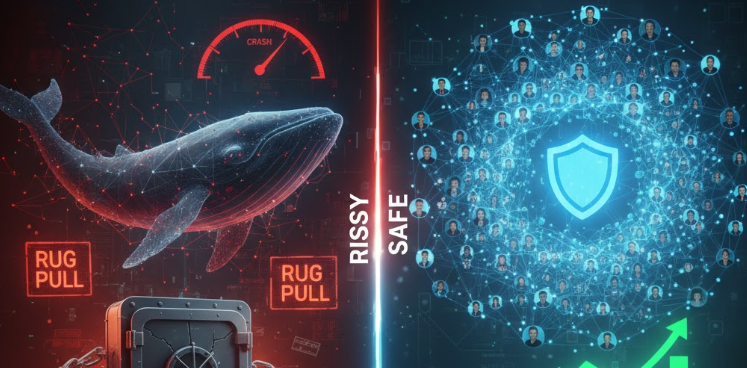
DeFi Scam Prevention Through Community Awareness

If you’ve spent any time exploring decentralized finance, you already know the space moves fast. New projects launch daily, influencers create buzz within minutes, and opportunities seem endless. Yet right alongside that excitement sits a hard reality: DeFi scams are getting smarter. That’s exactly why understanding defi scam prevention is more important than ever.
Although blockchain technology offers transparency, not every user knows how to interpret the data. Scammers count on this confusion. They build projects that look legitimate to beginners, manipulate social platforms, and pressure people into rushing financial decisions. However, communities have become one of the strongest defenses against fraud. When individuals work together, share knowledge, and communicate openly, scams lose their power.
Think of DeFi like a bustling digital neighborhood. When people look out for each other, everyone feels safer. But when no one talks, it becomes easier for bad actors to slip through unnoticed. Community-driven protection is the secret ingredient that keeps users informed and scammers frustrated.
In this article, you’ll learn how communities spot red flags faster, how they alert others before damage spreads, and how collective awareness strengthens defi scam prevention for the entire ecosystem.
Why Strong Communities Are Key to DeFi Scam Prevention
Communities have always played a role in crypto, but DeFi elevates that importance. Because DeFi removes centralized oversight, responsibility shifts to users. This creates incredible freedom, yet it also introduces risk. Without a central authority to flag suspicious behavior, community members must rely on each other.
The good news is that decentralized communities thrive in this environment. They gather in forums, Discord servers, Telegram groups, and social feeds. They analyze contracts, track developer wallets, and examine new projects with curiosity and caution. Most importantly, they share what they discover, even if it isn’t popular.
This shared vigilance forms the foundation of modern defi scam prevention. When many eyes examine a project, hidden problems surface quickly. And when potential risks spread across the community, fewer people fall victim to the same trap.
The strength of a community directly affects the safety of its members. The more active, informed, and connected the community is, the harder it becomes for scammers to operate.
How Communities Detect Scams Faster Than Individuals
You might wonder how strangers on the internet manage to uncover sophisticated scams before they explode. The answer lies in collective intelligence. Communities bring together people with different skills—developers, analysts, researchers, investors, and newcomers. Each group notices something others might miss.
When these observations combine, a clearer picture emerges. And because DeFi is transparent by design, communities can analyze blockchain activity in real time. This allows them to identify suspicious patterns long before the average investor realizes anything is wrong.
Crowdsourced Contract Reviews Strengthen DeFi Security
Before investing in a project, experienced users often review smart contracts. But instead of relying on one person, communities crowdsource these reviews. Developers check for malicious functions, hidden ownership controls, or withdrawal restrictions. Analysts look for patterns typical of rug pulls. Others test the contract on small transactions.
This shared effort makes contract review far more reliable. Problems that slip past one reviewer rarely escape dozens.
Community Members Track Developer Behavior
Another powerful tool for defi scam prevention is monitoring developer wallets. Because blockchain activity is public, communities watch for large withdrawals, suspicious transfers, or sudden liquidity removals. These signals often indicate a project might collapse.
A single user may overlook these patterns, but a group tracking data together identifies concerning behavior quickly.
Rapid Information Sharing Creates Early Warnings
Communication is one of the community’s greatest strengths. When someone spots a red flag, news spreads instantly. A Telegram message might reach thousands. A Discord alert can reach even more. Before long, the entire group knows to avoid a dangerous project.
This kind of early warning system prevents widespread losses and gives users time to protect their funds.
How Education Within Communities Improves DeFi Scam Prevention
Knowledge is powerful, especially in decentralized finance. Many scams succeed simply because beginners lack experience. A strong community bridges that gap by offering education, guidance, and mentorship.
New investors often learn faster when surrounded by people who understand the space. They ask questions, share concerns, and absorb insights that would take months to learn alone. Additionally, communities help newcomers avoid common pitfalls like rushing into high-yield projects or trusting anonymous promises.
Communities Explain Complex Concepts Clearly
DeFi includes advanced topics such as liquidity pools, yield farming, auditing standards, and smart contract risks. These concepts can intimidate beginners. Communities simplify them by breaking information down into digestible explanations.
Because of this, users gain the knowledge they need to recognize scams independently over time.
Shared Experiences Build Collective Wisdom
People who survive scams often share their stories. They explain what happened, how they realized the truth, and what they learned. These personal experiences become valuable lessons for others.
When people open up about mistakes, the entire community grows more resilient. This collective wisdom is a huge advantage in defi scam prevention.
Communities Develop Best Practices for Safe Investing
Over time, communities create informal “rules of survival” that guide users. These may include recommendations like:
- Verify the team’s identity when possible
- Review smart contract audits carefully
- Avoid projects promising unrealistic yields
- Check liquidity lock status
- Research developer history
These habits form a strong foundation for staying safe.
How Social Accountability Prevents DeFi Scams
Scammers thrive in isolation. However, communities reduce that isolation by putting every project under a microscope. Once a project becomes visible, people start asking questions. Developers feel pressure to respond transparently.
Transparent Dialogue Builds Trust
When developers engage openly with community members, trust grows. Conversely, when they avoid questions, delete comments, or ban dissenting members, suspicion rises. This social accountability is essential for preventing fraud.
People notice patterns. If a developer repeatedly dodges technical questions or refuses to discuss liquidity, users raise warnings.
Communities Document Red Flags Publicly
Once concerns arise, users document them through posts, screenshots, and tutorials. This creates a digital footprint that warns future users. Scammers can delete messages, but they can’t erase the community’s memory.
Because of this, many scam attempts fail to gain traction.
Honest Feedback Helps New Projects Improve
Sometimes a project isn’t a scam; it just lacks experience. Communities help by offering genuine feedback. They highlight confusing details, suggest improvements, or explain why certain design choices feel risky. This collaborative spirit strengthens legitimate projects before problems escalate.
How Decentralized Communities Combat Misinformation
Misinformation spreads quickly in DeFi. Influencers promote risky projects. Bots inflate excitement. Fake announcements circulate on social platforms. Yet large, active communities work together to filter truth from fiction.
Fact-Checking Prevents Misleading Hype
Before believing exciting news about a project, community members verify announcements through:
- Official websites
- Verified social accounts
- Developer statements
- Smart contract updates
This creates a buffer between users and misinformation.
Collective Skepticism Protects New Investors
Healthy skepticism is a powerful form of defi scam prevention. Communities remind newcomers to slow down, verify information, and avoid emotional decisions. They challenge bold claims, especially those involving guaranteed returns or secret strategies.
This steady voice of reason prevents impulsive mistakes.
Communities Identify Fake Influencers Quickly
Scammers often impersonate influencers or developers. They create lookalike accounts and deceive users through direct messages. But communities regularly expose these impersonations. Members compare account details, verify communication methods, and warn others.
Their vigilance protects vulnerable newcomers from falling victim to social engineering.
Global Collaboration Enhances DeFi Scam Prevention
Crypto communities aren’t limited by borders. They span dozens of countries, languages, and time zones. Because of this, scams face constant surveillance.
Round-the-Clock Monitoring Reduces Risk
Since community members live worldwide, someone is always online. This continuous activity makes it harder for scammers to execute rug pulls unnoticed.
When suspicious events occur—such as sudden liquidity removal—users act quickly to alert others.
Multiple Perspectives Improve Analysis
Different regions specialize in different aspects of crypto. Some communities focus on security audits. Others excel in fundamental research. When these groups collaborate, DeFi becomes safer for everyone.
Their combined expertise simplifies the complex world of defi scam prevention.
Cross-Community Communication Strengthens Trust
Communities often share warnings with each other. When one group detects a scam, they spread the word to the larger ecosystem. This creates a unified barrier against fraud and strengthens the collective defense.
How Community Tools Support DeFi Scam Prevention
Communities don’t rely on discussion alone. They build tools, dashboards, and trackers that automate safety checks. These tools simplify analysis for beginners and encourage responsible investing.
Risk Dashboards Provide Instant Insights
Many communities maintain dashboards showing:
- Contract audits
- Liquidity lock status
- Token distribution
- Developer activity
- Whale movements
These tools help users make informed decisions quickly.
Alert Bots Warn Users in Real Time
Bots notify community members of unusual behavior, such as sudden price crashes or large token transfers. This early warning system gives users valuable time to respond.
Even beginners benefit from these alerts, making defi scam prevention more accessible.
Crowdsourced Reporting Tools Increase Transparency
Some communities maintain public scam lists. Users report suspicious projects, and moderators investigate. Although not every report indicates a scam, the review process creates transparency.
These lists help newcomers avoid known risks and make smarter choices.
Conclusion
DeFi offers freedom, innovation, and financial opportunity. But staying safe requires more than personal caution. It requires collective awareness. Communities empower users by sharing knowledge, analyzing risks, exposing fraud, and supporting each other. When people work together, defi scam prevention becomes far more effective. And in a world where scams evolve daily, the strength of community-driven protection remains one of the most valuable tools you can rely on.
FAQ
- How do communities help prevent DeFi scams?
Communities identify red flags, share information quickly, and provide education to help users avoid fraud. - Why is collective analysis important in DeFi?
Different skills and perspectives reveal issues one person might miss, improving overall safety. - Do communities always detect scams early?
Not always, but they significantly increase the chances of spotting suspicious behavior before losses occur. - Are community tools reliable for avoiding scams?
They help, but users should combine tools with their own research for the best results. - Can beginners rely on DeFi communities for safety?
Yes, communities offer guidance, alerts, and education that make DeFi safer for newcomers.