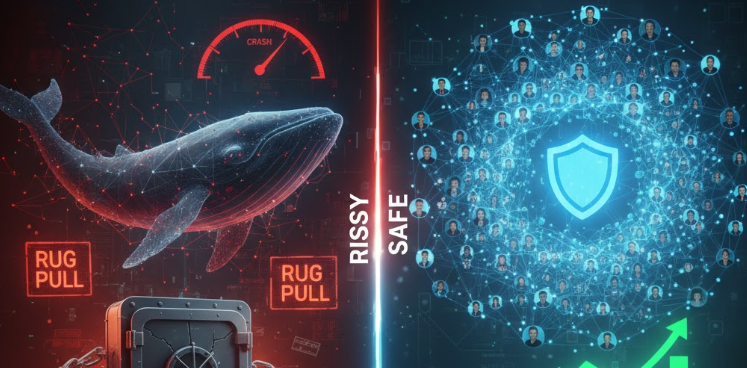
DeFi Risk Management Strategies Every Investor Needs

Investing in decentralized finance can feel thrilling, especially when you see opportunities that promise high yields and innovative technology. But as exciting as it seems, the DeFi world can be unpredictable. That’s exactly why understanding defi risk management is essential for anyone serious about long-term success. Because even though DeFi opens the door to potential rewards, it also exposes investors to unique risks that don’t exist in traditional finance.
Some investors jump into DeFi without preparation. They rely on hype, trust unverified projects, or misunderstand how liquidity works. As a result, they lose money quickly and blame the market. Yet the truth is simple: successful DeFi investors prioritize risk management before chasing returns. They build protective habits that keep them grounded even when markets move fast.
This article dives deep into practical defi risk management strategies you can implement right away. Whether you’re new to the space or experienced but looking to sharpen your skills, these techniques help you invest with confidence rather than fear.
Why DeFi Requires Strong Risk Management
DeFi operates on decentralized systems where users control their assets directly. Although this offers freedom, it also means that you alone are responsible for your decisions. There’s no customer support line to call, no centralized authority to reverse unauthorized transactions, and no institution guaranteeing your funds.
Because of this structure, DeFi presents several risks:
- Smart contract vulnerabilities
- Market volatility
- Impermanent loss
- Liquidity issues
- Rug pulls
- Governance manipulation
- Scams disguised as legitimate opportunities
Understanding these risks is the foundation of good defi risk management. Instead of walking blindly into the unknown, you approach investing with clarity and purpose.
Understanding Smart Contract Risk
Smart contracts power DeFi platforms. They execute transactions automatically, without human intervention. But even well-written smart contracts can contain bugs or vulnerabilities. When exploited, these flaws can drain liquidity pools, freeze assets, or allow malicious actors to steal funds.
Always Check Contract Audits
Although audits are not foolproof, they significantly reduce risk. Independent security firms examine smart contracts for vulnerabilities and publish detailed reports. Before using a platform, check the audit history. If the contract is unaudited, proceed with caution.
Audits offer reassurance, yet you should still verify their legitimacy. Scammers sometimes forge audits or misrepresent them. Always confirm from official sources.
Avoid Projects With Suspicious Developer Access
Some contracts allow developers to pause transactions, mint tokens, or alter functions. While not always malicious, these permissions increase risk. Review the contract’s privileges and ensure developers cannot abuse control.
Smart contract transparency is one of the most powerful defi risk management tools you have.
Market Volatility and How to Manage It
DeFi markets move fast. Token prices can rise or crash within minutes. For inexperienced investors, this volatility can feel overwhelming. But with a strategy in place, you can reduce exposure and minimize emotional decision-making.
Never Invest More Than You Can Afford to Lose
This is one of the oldest and most effective risk management rules. Because DeFi carries unavoidable uncertainty, you should always treat investments as calculated risks rather than guaranteed profits.
Use Stop-Loss Strategies on Tradable DeFi Tokens
Some DeFi tokens trade on centralized or decentralized exchanges where stop-loss features exist. Setting predetermined exit points prevents emotions from sabotaging your decisions.
Diversify Across Multiple Projects
Diversification spreads risk. Instead of putting all your funds into one DeFi platform, consider allocating across different sectors, such as:
- Lending platforms
- Decentralized exchanges
- Yield farming protocols
- Stablecoin-focused platforms
- Liquid staking systems
Diversification supports healthier defi risk management and increases long-term stability.
Protecting Yourself From Impermanent Loss
If you provide liquidity to a pool containing volatile assets, you face impermanent loss. This occurs when token prices shift compared to when you first deposited them. Many investors misunderstand this risk, assuming yield rewards will cover losses. But that isn’t always the case.
Choose Stablecoin Pairs When Possible
Stablecoin-to-stablecoin pools, like USDC/DAI, significantly reduce volatility. Although yields might be lower, the predictable value minimizes impermanent loss risk.
Avoid Pools With Highly Volatile Token Pairs
Tokens with low market caps or speculative hype present larger price swings. These fluctuations increase the chance of impermanent loss.
Monitor Liquidity Volumes and Fee Structures
Higher liquidity pools tend to be more stable. Additionally, some pools reward liquidity providers through transaction fees. These fees can offset small price differences, improving returns.
Although impermanent loss is unavoidable in some cases, smart choices minimize its impact.
Mitigating Liquidity Risk in DeFi
Liquidity risk occurs when a platform doesn’t have enough funds to execute transactions or when developers remove liquidity suddenly. This risk is common in new or unverified projects.
Check Liquidity Lock Status
When liquidity is locked, developers cannot withdraw funds for a set period. This greatly reduces rug pull potential. Use blockchain explorers to verify lock status before investing.
Monitor Total Value Locked (TVL)
TVL shows the amount of money invested in a platform. A higher TVL often indicates trust and stability. Sudden TVL drops may signal upcoming problems.
Avoid Platforms With Limited Liquidity
Low liquidity makes it difficult to exit positions. It also increases slippage, forcing you to accept worse prices when trading. For safer defi risk management, avoid shallow pools.
Avoiding Scams Through Better Due Diligence
Scams remain one of the biggest threats in DeFi. Some projects look professional but hide malicious intent. Because DeFi operates without centralized oversight, scams spread fast. However, with strong due diligence, you can avoid most threats.
Verify Developer Identities When Possible
Anonymous teams are common in DeFi, but anonymous teams also carry extra risk. If a team refuses transparency, research their past work, community presence, and project history carefully.
Analyze Social Media Behavior
Scammers often rely on hype. They promote unrealistic returns, post generic content, and ban users who ask critical questions. Authentic teams encourage healthy discussion and transparency.
Check for Realistic Roadmaps
A legitimate project offers achievable milestones. Roadmaps filled with vague or exaggerated promises often indicate future disappointment or worse.
These due diligence techniques form a strong foundation for defi risk management.
Using Stablecoins as Part of Your Risk Strategy
Stablecoins offer more predictable value, making them excellent risk management tools. Many DeFi investors maintain a percentage of their portfolio in stablecoins to reduce exposure.
Use Stablecoins to Hedge Against Volatility
If markets move quickly, stablecoins protect your capital. You can also re-enter positions when prices stabilize.
Choose Reputable Stablecoins Only
Not all stablecoins are equal. Some lack proper collateralization. Before choosing one, review audits, reserves, and transparency reports.
Earn Passive Yield Through Low-Risk Lending
Stablecoin lending platforms offer consistent yields with lower volatility. Although risks still exist, they are lower compared to speculative assets.
Stablecoins give investors breathing room during market turbulence.
Building a Long-Term Mindset for DeFi Investing
Short-term thinking often leads to risky decisions. But adopting a long-term approach helps you navigate the DeFi space with patience and clarity. Long-term strategies align with effective defi risk management.
Focus on Sustainable Platforms
Projects with real utility, strong communities, and transparent governance stand the test of time. Avoid chasing quick gains from questionable platforms.
Reinvest Wisely
When earning yield rewards, consider cashing out a portion and reinvesting only what fits your strategy. This reduces overall exposure.
Review Portfolio Allocations Regularly
Markets change. Projects evolve. Rebalancing ensures your portfolio reflects your goals rather than fleeting emotions.
A long-term strategy gives you stability even when markets fluctuate.
Security Practices That Strengthen DeFi Risk Management
Your wallet and private keys are the gateway to your assets. Protecting them is essential for long-term success.
Use Hardware Wallets for Maximum Protection
Hardware wallets keep your keys offline. Even if a malicious website targets you, hardware wallets provide an additional layer of security.
Never Share Your Seed Phrase
Your seed phrase unlocks everything. Sharing it with anyone places your funds at risk. No legitimate platform will ever ask for it.
Beware of Phishing Links
Scammers send fake links disguised as official websites. Always type URLs manually or use trusted bookmarks.
Security is a major part of defi risk management, and it starts with simple habits.
Why Governance Matters in DeFi Risk Management
Governance tokens allow holders to influence project decisions. Although governance empowers communities, it also introduces risk.
Watch for Concentrated Voting Power
If only a few wallets control most governance tokens, they can manipulate decisions. This centralization increases risk for smaller investors.
Track Voting Histories
Governance proposals reveal how a project functions. Healthy projects maintain transparent communication and active participation.
Review Token Distribution Charts
Even if governance seems decentralized, token distribution might say otherwise. Concentration increases the possibility of manipulation.
Good governance supports stability and reduces long-term risks.
How Community Insights Improve Your Strategy
Communities are one of the strongest tools for defi risk management. Investors share experiences, identify threats, and offer insights that keep others safe.
Join Trusted Communities
Look for groups with transparent moderation, active discussions, and experienced members. Avoid groups flooded with promotional content.
Follow Reputable Analysts
Analysts who specialize in DeFi often share breakdowns of contracts, platforms, and market behavior. Their insights help you understand risks from different angles.
Ask Questions Before Investing
Never hesitate to ask. When others share their experiences, your understanding deepens.
Community-driven learning accelerates your growth and strengthens your investing habits.
Conclusion
DeFi offers freedom, innovation, and incredible potential. But without thoughtful defi risk management, even the most promising opportunities can turn into costly mistakes. The strongest investors protect their capital through research, diversification, security practices, and long-term thinking. By staying aware, asking questions, and avoiding unnecessary risks, you build a portfolio that supports real growth rather than emotional decisions. DeFi rewards those who stay informed and prepared, and these strategies help you navigate the market with clarity and confidence.
FAQ
- What is the biggest risk in DeFi investing?
Smart contract vulnerabilities and scams pose significant risks, especially for beginners. - Why is diversification important in DeFi?
It reduces exposure to any single platform, helping you protect your portfolio from sudden losses. - How can I avoid DeFi scams?
Research teams, review audits, avoid hype-driven projects, and verify all platform links. - Are stablecoins safe for DeFi investing?
They carry less volatility but still require research into reserves, audits, and platform risk. - What tools help with DeFi risk management?
Blockchain explorers, audit reports, risk dashboards, and community insights all support safer investing.