DeFi Insurance Platform Safety: Protecting Users in DeFi

Decentralized finance has transformed how people invest, trade, and earn yield. However, the rapid growth of DeFi also introduces risks. Because of this, DeFi insurance platform safety has become a critical topic for investors, developers, and protocols.
Many DeFi platforms operate without centralized oversight. While this enables innovation, it also exposes users to smart contract bugs, hacks, and liquidity failures. As a result, insurance solutions have emerged to protect funds and restore confidence in decentralized ecosystems.
Understanding how insurance works in DeFi helps investors manage risk more effectively. Moreover, it helps platforms strengthen their credibility and long-term stability.
Why Safety Is a Major Challenge in DeFi
DeFi applications run on blockchain smart contracts. Although these contracts automate financial services, they are not immune to vulnerabilities.
First, coding errors can lead to exploits. Hackers often search for weaknesses in smart contracts and drain funds within minutes.
Second, oracle failures may cause incorrect pricing data. Consequently, lending platforms might liquidate positions incorrectly.
Third, liquidity pools can suffer flash-loan attacks. These attacks manipulate prices temporarily and exploit platform logic.
Because DeFi is permissionless, anyone can interact with protocols. Therefore, bad actors can quickly exploit vulnerabilities before developers respond.
This is exactly why DeFi insurance platform safety has gained attention. Insurance provides a layer of protection when unexpected failures occur.
Common Risks Faced by DeFi Platforms
Several threats continue to challenge decentralized finance systems.
Smart contract vulnerabilities remain the most common issue. Even audited code can contain hidden bugs.
Protocol governance attacks also occur. Malicious actors may manipulate voting systems or governance tokens.
Additionally, stablecoin de-pegging can destabilize lending platforms. When stablecoins lose their peg, liquidation cascades may follow.
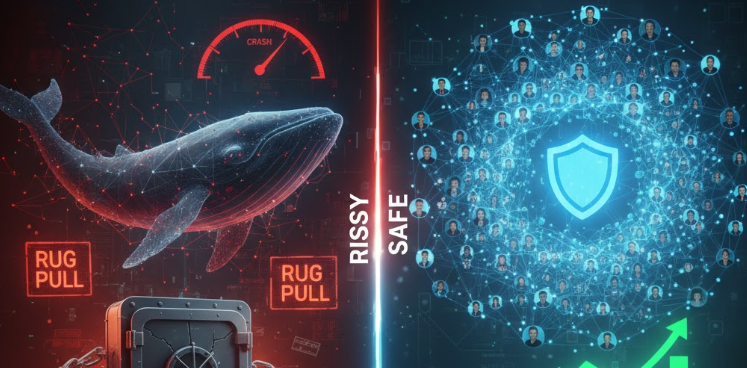
Liquidity rug pulls represent another danger. Developers sometimes withdraw funds from pools and abandon the project.
Because of these risks, improving DeFi insurance platform safety helps protect both users and platforms from catastrophic losses.
How DeFi Insurance Works
DeFi insurance operates differently from traditional insurance systems. Instead of relying on centralized companies, blockchain protocols manage risk collectively.
Users typically purchase coverage by paying a premium. In return, they receive protection against specific events.
These events often include smart contract failures, exchange hacks, or oracle malfunctions.
Insurance pools fund the coverage. Liquidity providers deposit assets into these pools and earn rewards for taking on risk.
When a claim occurs, governance systems review the incident. If the claim is valid, the insured user receives compensation.
Through this structure, DeFi insurance platform safety becomes a community-driven protection system.
Key Components of DeFi Insurance Protocols
Several elements support decentralized coverage systems.
Risk pools store funds that back insurance claims. These pools distribute risk among participants.
Underwriting mechanisms assess protocol risk levels. Higher-risk platforms require higher premiums.
Claims governance evaluates incidents. Token holders or specialized committees vote on whether claims are valid.
Staking incentives encourage users to participate in the ecosystem. Participants help maintain DeFi insurance platform safety by supporting risk assessment and coverage liquidity.
Benefits of Insurance in DeFi Ecosystems
Insurance protocols offer significant advantages for decentralized finance.
First, they provide financial protection for users. When hacks or vulnerabilities occur, insured investors can recover losses.
Second, insurance increases trust. Investors feel more comfortable depositing funds into platforms that offer coverage options.
Third, insurance encourages better security practices. Protocols must meet certain standards to qualify for coverage.
Fourth, it reduces systemic risk. If users can recover funds, panic withdrawals become less likely.
Because of these benefits, DeFi insurance platform safety strengthens the entire decentralized finance ecosystem.
Investor Confidence and Risk Management
Retail investors often hesitate to use DeFi due to security concerns.
Insurance solutions reduce that fear by offering protection against common risks.
When users know they have coverage, they are more willing to provide liquidity, lend assets, or stake tokens.
This increased participation boosts platform growth and stability.
Ultimately, DeFi insurance platform safety helps bridge the gap between innovation and security.
Types of DeFi Insurance Coverage
Different insurance products address various risks in decentralized finance.
Smart contract coverage protects against coding vulnerabilities. If a contract is exploited, the policy may compensate users.
Exchange hack coverage protects assets stored on centralized trading platforms.
Stablecoin protection safeguards users against sudden loss of peg.
Protocol failure coverage helps when DeFi platforms shut down unexpectedly.
Because threats vary widely, flexible coverage options help maintain DeFi insurance platform safety across many types of platforms.
Smart Contract Failure Protection
Smart contract exploits represent the largest threat to DeFi platforms.
A single vulnerability can drain millions of dollars in minutes.
Insurance policies targeting smart contract failures help reduce financial damage.
These policies analyze the contract’s code, audit history, and operational behavior.
By supporting these protections, insurance providers enhance DeFi insurance platform safety for both users and developers.
Major DeFi Insurance Protocols
Several decentralized projects now specialize in risk coverage.
These protocols offer protection for lending platforms, decentralized exchanges, and yield farming applications.
Some focus on pooled risk models. Others rely on tokenized staking to fund claims.
Regardless of their approach, each contributes to improving DeFi insurance platform safety across the ecosystem.
Popular solutions include coverage marketplaces where users can select specific platforms and coverage durations.
These marketplaces make insurance more accessible for everyday investors.
Challenges Facing DeFi Insurance
Although promising, decentralized insurance still faces obstacles.
First, risk modeling remains difficult. DeFi platforms evolve rapidly, and predicting vulnerabilities is challenging.
Second, claim validation can be controversial. Governance voting may produce disagreements among token holders.
Third, liquidity shortages may limit coverage capacity. If pools lack funds, large claims may be difficult to pay.
Fourth, regulatory uncertainty may affect insurance providers in the future.
Even with these challenges, the industry continues to improve DeFi insurance platform safety through innovation and improved risk analysis.
Governance and Claim Disputes
Decentralized governance sometimes leads to disputes.
Token holders may disagree about whether an exploit qualifies for compensation.
These disagreements can delay payouts and reduce user confidence.
However, improved governance models are emerging. Some protocols now use expert panels combined with token voting.
By refining governance systems, projects strengthen DeFi insurance platform safety and maintain fairness.
How Platforms Can Integrate Insurance
DeFi platforms increasingly integrate insurance directly into their ecosystems.
Some protocols partner with coverage providers to offer protection during deposits.
Others include insurance options within their interfaces, allowing users to purchase coverage easily.
Additionally, some platforms create internal insurance funds funded by transaction fees.
These strategies help reinforce DeFi insurance platform safety while improving the user experience.
Building Trust Through Transparency
Transparency plays a crucial role in decentralized finance.
Platforms should publish security audits, bug bounty programs, and risk assessments.
When combined with insurance protection, transparency increases investor confidence.
As more projects adopt these practices, DeFi insurance platform safety becomes a standard feature rather than an optional add-on.
The Future of DeFi Insurance
The DeFi sector continues to grow rapidly. With billions of dollars locked in smart contracts, risk protection will become even more important.
Insurance protocols will likely evolve with advanced analytics and AI-based risk models.
Cross-chain coverage may also emerge as multi-chain ecosystems expand.
Furthermore, institutional investors may require insurance before allocating large amounts of capital to DeFi platforms.
These developments will further strengthen DeFi insurance platform safety across decentralized markets.
Conclusion
Decentralized finance offers extraordinary opportunities for investors and developers. Yet the technology also introduces unique risks that traditional finance rarely faces.
Insurance protocols provide a powerful solution to these challenges. By distributing risk across communities and compensating users after failures, decentralized coverage models add a crucial layer of protection.
As more platforms adopt coverage solutions, investor confidence will grow. Insurance will also encourage stronger security practices among developers.
Ultimately, DeFi insurance platform safety plays a vital role in building a resilient and trustworthy decentralized financial system.
FAQ
1. How does decentralized insurance protect DeFi users?
Decentralized insurance compensates users when specific risks occur, such as smart contract exploits or exchange hacks.
2. What risks can DeFi insurance typically cover?
Coverage often includes smart contract bugs, oracle failures, exchange hacks, and stablecoin de-pegging events.
3. Are insurance claims in DeFi guaranteed to be paid?
Not always. Claims are usually reviewed through governance systems, which determine whether the event qualifies for compensation.
4. Why is insurance becoming important in decentralized finance?
As more funds move into DeFi platforms, investors demand protection against exploits, technical failures, and protocol vulnerabilities.
5. Can beginners benefit from coverage in DeFi platforms?
Yes. Insurance helps new users manage risk while learning how decentralized finance platforms operate.