Protecting Your Assets from DeFi Hacks and Rug Pulls
Decentralized Finance (DeFi) has unlocked a new era of financial freedom, letting users trade, lend, and earn yields without intermediaries. But along with opportunity comes risk. DeFi hacks and rug pulls have become increasingly common, costing investors billions.
Whether you’re an experienced trader or a newcomer exploring decentralized platforms, understanding these threats is essential. In this guide, we’ll break down how DeFi exploits work, what rug pulls look like, and — most importantly — how you can protect your crypto assets.
Understanding DeFi Hacks
DeFi hacks occur when bad actors exploit vulnerabilities in smart contracts, decentralized apps (dApps), or user behavior to steal funds.
Since DeFi operates on open-source blockchains, attackers can analyze code and identify weaknesses before launching an exploit. Unlike centralized systems, once your tokens are gone, there’s no “undo” button.”
Common DeFi hack types include:
- Smart contract bugs: Coding errors that allow attackers to drain liquidity pools.
- Oracle manipulation: Exploiting price feed systems to trick protocols into false values.
- Flash loan attacks: Borrowing large sums to manipulate token prices temporarily.
- Phishing scams: Targeting users through fake sites and wallets.
These attacks can unfold within minutes — leaving users powerless if they aren’t prepared.
What Is a Rug Pull?
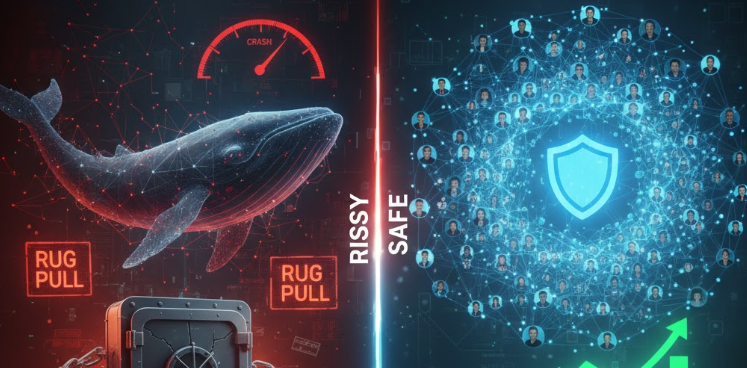
A rug pull is a scam where DeFi project developers abruptly withdraw liquidity or abandon the project after attracting investor funds.
Rug pulls usually happen in projects that lack transparency or legitimacy. Investors buy tokens expecting long-term growth, only for the founders to “pull the rug” and disappear with the funds.
Three common types of rug pulls are:
- Liquidity rug pulls: Developers remove liquidity from a token pair on a decentralized exchange (DEX).
- Minting exploits: Developers mint new tokens to themselves and sell them, crashing the market.
- Exit scams: Project creators shut down platforms or delete social channels after collecting investments.
Why DeFi Is a Prime Target
The appeal of DeFi — decentralization, anonymity, and accessibility — also makes it vulnerable.
Key risk factors include:
- Open-source code: Transparent but exploitable if unaudited.
- Lack of regulation: No central authority to recover lost funds.
- Anonymous teams: Hard to verify developers’ identities.
- FOMO (Fear of Missing Out): Investors rush into trending projects without due diligence.
The combination of hype and freedom creates a perfect storm for scammers and hackers.
1. Always Research the Project
Before investing in any DeFi protocol, take time to investigate. Look for:
- A doxxed team: Are the founders publicly known and reputable?
- Clear whitepaper: Does the project have a detailed, realistic plan?
- Established partnerships: Are they verified by other credible projects?
- Social transparency: Active and responsive communities are a good sign.
If a project promises unrealistic returns (“1000% APY in 24 hours”), treat it as a warning sign — not an opportunity.
2. Verify Smart Contract Audits
A professional smart contract audit is one of the strongest defenses against DeFi hacks.
Auditing firms like CertiK, Hacken, and Quantstamp review project code to identify vulnerabilities.
Before investing:
- Check if the project displays an official audit certificate.
- Visit the auditor’s site to confirm the report is genuine.
- Review the audit summary for unresolved critical issues.
Remember: an audit doesn’t guarantee safety, but lack of one almost always signals risk.
3. Use Reputable Platforms Only
Stick to well-established DeFi platforms with a proven security record, such as:
- Aave
- Uniswap
- Compound
- MakerDAO
These protocols have undergone multiple audits and community reviews, reducing the likelihood of catastrophic exploits.
Be cautious with new or obscure projects, no matter how promising they sound.
4. Diversify Your Holdings
Never put all your crypto in one project or liquidity pool. Spread your assets across multiple platforms, chains, and wallets.
Diversification helps limit damage if one protocol is compromised. For example, holding tokens across Ethereum, Polygon, and BNB Chain can reduce systemic risk from a single exploit.
In DeFi, don’t chase yield at the expense of safety.
5. Avoid Anonymous Teams and Unrealistic Promises
Transparency is non-negotiable. If project founders are hiding their identities, avoid investing.
Anonymous developers make it easy to vanish after a rug pull. Legitimate teams proudly display credentials, partnerships, and progress updates.
Also beware of:
- High-yield farming projects with vague documentation.
- Hype-driven meme tokens.
- Sudden token listings without official announcements.
If it looks too good to be true — it probably is.
6. Secure Your Wallets
Protecting your assets starts with your wallet. Use the following security practices:
- Hardware wallets: Store tokens in cold wallets like Ledger or Trezor.
- Separate wallets: Keep DeFi funds apart from long-term holdings.
- Revoke permissions: Regularly check and revoke token approvals using tools like Revoke.cash.
- Beware of fake extensions: Only download wallets from official websites.
Most DeFi hacks target wallet connections, not the platforms themselves — making wallet safety your first line of defense.
7. Monitor Liquidity and Trading Volume
Before buying any token, check its liquidity and daily volume on platforms like DEXTools or CoinGecko.
Low liquidity means the project’s token can’t handle large transactions without price manipulation. It’s also a sign that developers might control the liquidity pool — a common rug pull tactic.
Healthy projects have locked liquidity for a defined period (e.g., via Unicrypt or Team Finance).
8. Keep Software and Devices Updated
Hackers often exploit outdated software. Always:
- Update wallets and browser extensions.
- Avoid public Wi-Fi for crypto transactions.
- Use two-factor authentication (2FA) where possible.
Keeping your setup current reduces exposure to phishing and malware attacks targeting DeFi users.
9. Stay Informed About Security Incidents
Follow trusted DeFi security channels and news outlets such as:
- RugDoc
- DeFiSafety
- CertiK Skynet Alerts
These sources provide real-time updates on exploits, scams, and vulnerabilities so you can act quickly if a platform is compromised.
Knowledge is your best protection in a rapidly changing DeFi environment.
10. Test Before You Trust
When interacting with a new DeFi platform, start small. Deposit a minimal amount before committing significant funds.
Testing helps verify that withdrawals work, rewards function properly, and smart contracts behave as expected.
Think of it as your personal security audit — before investing real capital.
Alt text: Digital shield representing security measures protecting users from DeFi hacks and rug pulls.
11. Use Multi-Signature Wallets for Added Safety
If you manage large funds, consider multi-signature wallets (e.g., Gnosis Safe). These require multiple confirmations for transactions, reducing the risk of unauthorized withdrawals or single-point failures.
This is especially useful for DAOs, teams, and NFT projects handling shared funds.
12. Recognize Early Warning Signs of Rug Pulls
Watch for these classic red flags:
- Sudden changes in tokenomics or whitepaper.
- Developers deleting social media or Telegram groups.
- Locked comments or limited community access.
- Unverified smart contracts or copied code.
If the community seems toxic or overly hyped, trust your instincts and stay away.
Conclusion: Security Is the Best Investment
DeFi offers incredible opportunities — but it demands responsibility. Understanding DeFi hacks and rug pull risks is the first step toward safeguarding your assets.
By combining due diligence, smart contract audits, hardware wallets, and trusted platforms, you can participate confidently in decentralized finance without falling victim to scams.
Remember: in DeFi, you are your own bank — and your own security team.
Protect your assets, stay informed, and invest wisely.
FAQ
1. What are DeFi hacks?
They’re security breaches that exploit smart contracts or user behavior to steal funds from decentralized platforms.
2. How do rug pulls happen?
Developers remove liquidity or abandon the project after collecting investor money, leaving tokens worthless.
3. How can I protect myself from DeFi hacks?
Use audited platforms, hardware wallets, and verify project teams before investing.
4. Are DeFi investments safe?
They carry higher risk than traditional finance. Always research and diversify to reduce potential losses.
5. What should I do if I get hacked?
Revoke wallet permissions immediately, report the incident to the project team, and avoid interacting with the compromised platform.