audits in preventing DeFi hacks and security breaches

The world of decentralized finance (DeFi) is like a digital gold rush—fast, thrilling, and full of opportunity. But behind the promise of high yields and financial freedom lies a darker truth: DeFi is also a hacker’s playground. Billions of dollars have vanished overnight due to smart contract exploits and security loopholes. That’s where audits in preventing DeFi hacks come in.
Audits are the invisible shields protecting DeFi projects from disaster. They’re not glamorous, but they’re absolutely essential. In an industry built on code, a single overlooked vulnerability can cost investors everything. If you’ve ever wondered why some projects survive while others collapse, the answer often lies in how well they’ve been audited.
Let’s unpack why smart contract audits are the cornerstone of DeFi safety, how they work, and why every investor—and developer—should care deeply about them.
Why DeFi is especially vulnerable to hacks
To understand why audits in preventing DeFi hacks are so crucial, we first need to grasp what makes DeFi so fragile. Unlike traditional finance, DeFi operates entirely on code—specifically smart contracts. These self-executing programs handle lending, trading, and yield farming without human oversight. That’s powerful, but it also means that a single line of buggy code can lead to catastrophic losses.
Hackers don’t attack people in DeFi; they attack logic. They look for loopholes in the code—tiny oversights in how transactions, permissions, or calculations are handled. And once they find them, they strike fast and anonymously.
Unlike a bank, there’s no safety net. No fraud department. No refunds. Once funds are drained from a smart contract, they’re usually gone forever. This is why the phrase “code is law” is both the promise and the peril of decentralized finance.
The scale of the damage is staggering. According to Chainalysis, over $3 billion was lost to DeFi exploits in 2022 alone. Many of these attacks could have been prevented with thorough audits and continuous security checks.
What a DeFi audit actually is
So, what exactly happens during a DeFi audit? At its core, it’s like a deep medical scan for code. A team of security experts—often from specialized firms—reviews the project’s smart contracts line by line. Their goal is to detect vulnerabilities, logic errors, and potential attack vectors before the protocol goes live.
An audit isn’t just about finding bugs; it’s about ensuring that the entire system behaves exactly as intended, even under extreme conditions. The process usually includes:
- Manual code review: Security professionals read and interpret the code to find hidden logic flaws.
- Automated scanning: Tools like MythX, Slither, and Echidna run simulations to detect known vulnerabilities.
- Penetration testing: Auditors simulate real-world attacks to see how the protocol holds up.
- Gas optimization: They look for ways to make transactions more efficient and reduce unnecessary gas usage.
- Final report: Once issues are found, developers fix them, and auditors re-test before releasing a detailed report.
Think of it like a pre-flight inspection for a plane. You wouldn’t trust an aircraft that skipped safety checks, and you shouldn’t trust a DeFi project that skips audits.
The role of audits in preventing DeFi hacks
Here’s the big question: how exactly do audits stop hackers? The answer lies in prevention and preparedness.
1. Identifying vulnerabilities before launch
The most obvious benefit is catching errors early. Audits uncover bugs before they can be exploited. This includes everything from reentrancy attacks (like the one that destroyed The DAO in 2016) to flash loan exploits, oracle manipulation, and improper access controls.
When vulnerabilities are found and fixed in advance, hackers lose their leverage. Prevention is always cheaper—and safer—than damage control.
2. Building investor trust
Security audits don’t just protect code; they build credibility. When investors see that a project has been audited by a reputable firm, they gain confidence. Transparency matters. Publishing an audit report signals that a project values user safety and accountability.
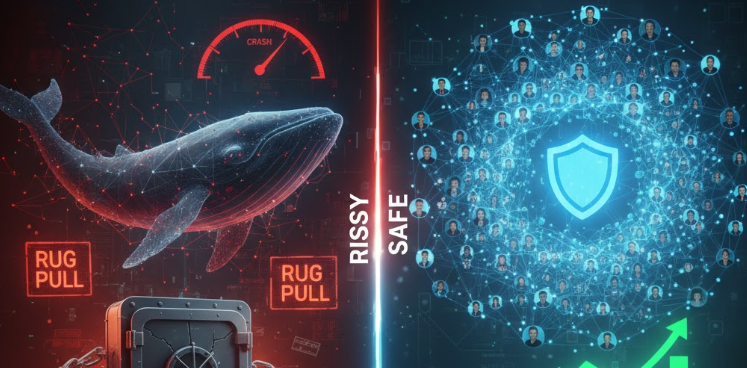
In an ecosystem filled with rug pulls and scams, that reassurance goes a long way. Investors are far more likely to stake or lend funds to a platform that demonstrates due diligence.
3. Reducing insider and governance risks
Audits also help prevent internal threats. Many DeFi failures stem not from outside attacks but from poorly designed admin controls. Auditors ensure that governance privileges are distributed responsibly and that no single developer can drain the protocol or alter contracts unchecked.
4. Strengthening the entire DeFi ecosystem
Each audit contributes to a safer DeFi environment as a whole. When vulnerabilities are reported and shared, other developers learn from them. This collective knowledge raises security standards across the industry.
The more projects commit to audits, the harder it becomes for hackers to find easy targets. In this sense, audits don’t just protect individual projects—they protect the reputation of decentralized finance itself.
Famous DeFi hacks that could have been prevented
History has no shortage of cautionary tales. Let’s look at a few major breaches that highlight why audits in preventing DeFi hacks are indispensable.
The DAO hack (2016)
This infamous event drained over $60 million from Ethereum’s first major decentralized autonomous organization. The exploit came from a reentrancy bug—a coding flaw that allowed attackers to withdraw funds repeatedly before the system could update balances. A proper audit might have spotted it early and changed DeFi history.
Poly Network hack (2021)
Poly Network suffered one of the largest hacks in DeFi, losing over $600 million. The issue? Improper validation of cross-chain transactions. While the hacker eventually returned the funds, it underscored the risks of complex multi-chain integrations that weren’t thoroughly tested.
Wormhole exploit (2022)
A $320 million loss occurred due to a missing verification step in a smart contract upgrade. This hack could likely have been avoided with a full post-deployment audit and code verification procedure.
Each of these incidents teaches the same lesson: audits aren’t optional. They’re the backbone of sustainable DeFi security.
The anatomy of a good audit
Not all audits are created equal. Some are comprehensive; others barely scratch the surface. To maximize protection, projects should follow these best practices for effective audits:
Work with reputable firms
Top-tier auditors like CertiK, ConsenSys Diligence, Trail of Bits, and PeckShield are industry leaders. They bring both experience and accountability. A project that proudly lists one of these firms as its auditor instantly gains legitimacy.
Conduct multiple audits
One audit is good; two are better. Complex protocols often undergo several rounds of independent audits to ensure no stone is left unturned.
Don’t rush the process
Developers sometimes push for quick audits to meet launch deadlines. But good audits take time—usually weeks or months. Rushing increases the chance of missed vulnerabilities.
Implement post-launch monitoring
DeFi code isn’t static. Projects evolve, new features roll out, and integrations expand. Continuous monitoring and periodic re-audits ensure long-term security.
Be transparent
Publishing audit reports publicly shows accountability. Hiding them—or refusing to disclose results—is a red flag that no serious investor should ignore.
Following these steps turns audits into a powerful defense mechanism rather than a mere marketing checkbox.
Beyond audits: layered DeFi security
While audits are a strong foundation, they’re not the whole fortress. Security in DeFi works best when layered. Here’s how projects can go even further:
- Bug bounty programs: Offering rewards to ethical hackers encourages ongoing testing even after deployment.
- Formal verification: This mathematical method proves that code behaves as intended under all conditions.
- Decentralized insurance: Platforms like Nexus Mutual offer protection in case an exploit still occurs.
- Community oversight: Open-source code allows global developers to spot vulnerabilities faster than any single team.
In short, an audit is step one—but a comprehensive security strategy is a marathon, not a sprint.
Why investors should pay attention to audit reports
As a DeFi user or investor, reading audit reports might sound technical, but it’s worth your time. You don’t need to be a coder to understand key takeaways. Focus on the following:
- Severity of issues found: Were there high-risk vulnerabilities? Were they fixed?
- Audit scope: Did it cover the entire protocol or just part of it?
- Follow-up actions: Did the team respond to recommendations promptly?
A good report shows transparency, responsiveness, and technical diligence. These qualities are often better indicators of a project’s future than any marketing promise or yield percentage.
The cost of skipping audits
Skipping audits may save time and money upfront, but the consequences can be devastating. Projects without audits are like houses built without inspections—fine until the first storm hits.
Many rug pulls and hacks share one thing in common: unaudited or poorly audited code. Once funds are stolen, the damage goes beyond financial loss. Reputation, community trust, and token value all collapse instantly.
In an ecosystem built on transparency, failing to conduct an audit is not just negligence—it’s an open invitation to disaster.
The future of audits in DeFi security
As DeFi matures, audits are evolving too. The next generation of auditing will integrate automation, artificial intelligence, and real-time analytics. Smart contracts may soon come with “always-on” audits—automated systems that monitor transactions and alert developers to unusual activity.
Blockchain security is also moving toward community-driven models where white-hat hackers, users, and auditors collaborate continuously. The ultimate goal isn’t just preventing hacks—it’s creating an ecosystem so secure that attacks become economically unfeasible.
In the coming years, we’ll likely see regulatory frameworks that make audits mandatory for DeFi projects, similar to financial compliance standards in traditional finance. This shift will further legitimize the industry and attract mainstream investors.
Conclusion
In the fast-paced world of decentralized finance, trust is everything. But trust without verification is dangerous. Audits in preventing DeFi hacks are what transform bold ideas into safe, sustainable innovations.
They detect weaknesses before hackers do. They protect investors, preserve reputations, and build a foundation of accountability. Whether you’re a developer launching a protocol or an investor exploring new opportunities, never underestimate the power of a well-executed audit.
In DeFi, the best defense isn’t luck—it’s preparation. And audits are the armor that keeps your digital assets safe in an unpredictable battlefield.
FAQ
- What is a DeFi audit?
A DeFi audit is a thorough review of smart contract code to find and fix security vulnerabilities before launch. - Why are audits important in DeFi?
They prevent hacks, build investor confidence, and ensure smart contracts operate as intended without hidden risks. - How much does a DeFi audit cost?
Costs vary based on complexity but typically range from $10,000 to over $100,000 for large protocols. - Can a DeFi project be 100% secure after an audit?
No system is perfectly secure, but audits greatly reduce risk by identifying and fixing critical flaws early. - How can investors verify if a project has been audited?
Check the project’s website or GitHub for audit reports from reputable firms and confirm they’re publicly accessible.