Token Burn Strategies Impact on New Projects
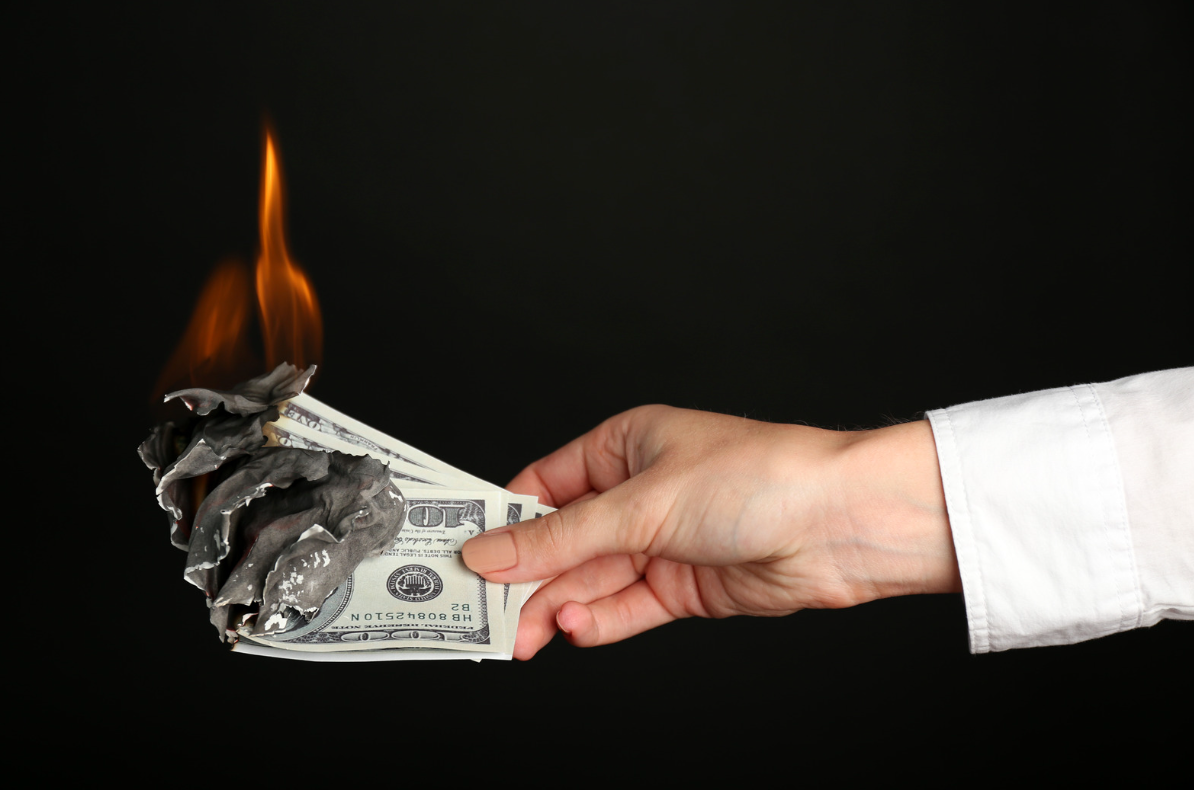
Token burn strategies are becoming one of the most widely used tools in the crypto space, especially for new projects looking to build value, trust, and long-term sustainability. Although the idea sounds simple—destroying a portion of tokens to reduce supply—the impact stretches far beyond basic economics. When used thoughtfully, token burn strategies can reshape perception, create stability, and reinforce confidence among early adopters. However, when used recklessly, they can weaken a project and signal desperation instead of strength.
New projects often feel pressure to stand out. Because the market is crowded, many founders rely on token burns to spark interest and manage supply. But here’s the truth: a burn strategy works only when it supports a clear purpose. Instead of choosing burns for instant attention, smart teams use them to shape long-term value. This difference separates sustainable ecosystems from short-lived hype cycles.
In this article, we’ll explore how token burn strategies impact new projects, why they matter, and how founders can use them effectively. You’ll learn the psychology, mechanics, risks, and best practices behind token burns so you can evaluate their role with clarity. Whether you’re launching a new token or simply trying to understand how burns affect value, this guide gives you the insight you need.
Why Token Burn Strategies Matter in Early-Stage Projects
Token burn strategies create powerful psychological and economic effects. Many new projects use burns because reducing supply often makes tokens feel more valuable. When investors see supply decreasing over time, they tend to view the ecosystem as more stable. This reaction isn’t random. It’s rooted in basic market principles: when supply goes down and demand stays steady, value typically increases.
Early-stage projects benefit from this dynamic. Yet token burns also communicate something deeper to the community. They suggest commitment. They suggest that the team isn’t interested in pumping supply artificially. They suggest that long-term value matters more than short-term excitement. These signals help new projects build trust in their earliest and most fragile stages.
There’s another reason token burn strategies carry weight. Because the crypto space is global and fast-moving, attention is limited. A planned burn event creates a moment that captures interest. It gives users a reason to re-evaluate the token and its future. But although this attention is helpful, it must align with purpose. Burns should never exist only for publicity; they should support real goals.
New projects must also consider how token burns shape user behavior. When holders expect future burns, they may feel more confident holding long term. This stability gives projects time to grow. That’s why the most impactful burn strategies reward patience instead of speculation.
How Token Burn Strategies Work and Why They Influence Value
Burning tokens reduces circulating supply. That part is straightforward. But the impact goes much deeper when token burn strategies intertwine with utility, incentives, and ecosystem mechanics.
Supply Reduction Supports Scarcity
Scarcity plays a major role in perceived value. When a project destroys tokens, supply shrinks. Because of that, each remaining token represents a larger share of the total value. This simple shift can stabilize price and increase long-term confidence.
However, scarcity alone isn’t enough. Token burn strategies work best when demand exists. Without utility or adoption, a burn may not create real value. That’s why new projects must combine scarcity with purpose.
Burn Mechanisms Shape User Expectations
Burn strategies influence how users think about a token. For example, some projects burn a percentage of every transaction. Others burn a portion of fees. Some burn tokens during milestones or events. These approaches create predictable expectations.
When burns feel structured and consistent, users feel reassured. They know the supply won’t inflate unexpectedly. This confidence encourages holding rather than selling.
Burns Support Sustainable Tokenomics
Tokenomics drives long-term project health. Burns often help balance supply inflation. For instance, if a project distributes staking rewards or emissions, burns offset new tokens entering circulation. This balance keeps inflation manageable.
New projects benefit greatly from this equilibrium because it protects early holders and stabilizes early markets.
Burn Events Build Community Engagement
Burn events spark excitement. They often encourage discussion, analysis, and participation. Because of this, burns act as marketing without feeling like marketing. Users feel part of something evolving rather than something being sold to them.
But again, this engagement works only when burns are tied to meaningful goals.
Different Types of Token Burn Strategies and Their Effects
Not all burns are the same—and not all burns have the same impact. The type of token burn strategy a new project uses influences how the market responds.
Manual Burns
Manual burns happen when a project’s team intentionally destroys tokens on a planned schedule. They often announce the amount, timing, and purpose.
Manual burns signal transparency. They show the team is actively shaping supply. These burns create powerful trust-building opportunities when executed well.
Automatic Burns
Automatic burns occur on-chain during transactions. For example, 1% of every trade may be burned automatically. These systems rely on smart contracts and don’t require manual intervention.
Automatic burns create predictable deflation. Because they scale with usage, tokens become more scarce as demand grows. New projects with strong utility often prefer this model because it aligns supply reduction with ecosystem activity.
Event-Based Burns
Event-based burns happen when the project meets milestones, completes goals, or generates revenue. Many gaming, NFT, or DeFi projects burn tokens from protocol fees.
These burns feel organic. They tie value to performance. Users appreciate it because burns result from real activity rather than arbitrary decisions.
Buyback-and-Burn Models
Some projects use revenue to buy tokens on the open market and then burn them. This model strengthens demand and removes tokens from circulation at the same time.
Because buyback-and-burn systems require ongoing revenue, they reassure users that the project isn’t relying only on token sales. They show that the project generates real economic activity.
One-Time Burns
A one-time burn involves destroying a large portion of tokens early. Although dramatic, it can sometimes create unrealistic expectations. Users might assume burns will continue at the same scale.
New projects should use caution. Large burns seem bold, but sustainability matters more than spectacle.
Each burn strategy influences value differently. Therefore, new projects must choose models that align with long-term goals.
How Token Burn Strategies Shape Market Behavior
The crypto market often responds instantly to burns, but the long-term behavior shift is what truly matters. Token burn strategies guide how users interact with the ecosystem.
Burns Encourage Holding Over Selling
Users often hold tokens longer when they expect consistent burns. This behavior reduces volatility. When fewer people sell, price fluctuations soften, giving new projects time to grow organically.
Burns Increase Reinvestment Motivation
If holders see value rising through supply reduction, they may reinvest earnings back into the ecosystem. This cycle strengthens both liquidity and market depth.
Burns Support Predictability
Predictable supply reduction removes fear around inflation. This stability helps new projects attract long-term investors rather than short-term speculators.
Burns Create Long-Term Alignment
When burn strategies are tied to revenue or ecosystem activity, they reward participation. Users who support the project indirectly enhance supply reduction. This creates natural alignment between holders and developers.
Because behavior influences value just as much as economics, the right burn strategy can transform a community.
Risks and Pitfalls New Projects Must Avoid
Token burn strategies can strengthen a project, but misuse can cause harm. New founders must understand the risks before implementing burns.
Relying Solely on Burns for Value
Burns reduce supply, not increase utility. Without real usage, token value won’t grow long-term. Burns should complement utility, not replace it.
Excessive Burns Create Short-Term Hype
Large burns attract attention but sometimes create unrealistic price expectations. When hype fades, price can crash. Sustainable burns matter more than spectacular ones.
Poor Communication Weakens Trust
If teams burn tokens without clear explanations, users become suspicious. Transparent communication protects credibility.
Imbalanced Supply Models Cause Instability
Burns that significantly shrink supply too quickly may reduce liquidity. Low liquidity leads to higher volatility. New projects must balance deflation with healthy circulation.
Smart Contract Risks
Automatic burn mechanisms rely on code. If contracts are flawed, burns can misfire. Audits help protect new projects and reassure users.
Understanding these pitfalls helps founders design strong, sustainable burn strategies.
Designing Effective Token Burn Strategies for New Projects
Successful burn strategies follow a few key guidelines. These principles help new projects create long-term value without relying on hype.
Tie Burns to Real Activity
Burns work best when they reflect real usage. For example, burning a portion of fees encourages engagement. Users see that growth translates into value.
Communicate Clearly and Transparently
Users should always understand why burns occur and what they mean. Clarity builds trust, and trust builds community.
Use Predictable Burn Schedules
Predictability reduces uncertainty. Whether burns happen monthly, quarterly, or after major milestones, consistency matters.
Balance Deflation With Liquidity
Healthy ecosystems need liquidity. Burns should never compromise accessibility or usability.
Ensure Burns Fit Tokenomics
Burns must complement inflation, distribution, and supply models. Well-designed tokenomics integrate burns naturally.
Be Flexible and Adaptive
Burn strategies should evolve as the ecosystem grows. Adaptation allows the project to remain healthy even when market conditions change.
These guidelines help new projects design burn strategies that create meaningful long-term impact.
The Future of Token Burn Strategies in New Projects
Token burn strategies will continue evolving as crypto matures. We’ll likely see more dynamic burn models powered by real-time metrics, adaptive smart contracts, and revenue-based mechanisms. Because users increasingly prioritize sustainability over speculation, burn strategies that support transparent, reliable growth will gain traction.
Projects may begin using hybrid burn models that combine multiple techniques—like revenue burns plus community-driven burns. The goal will always be the same: create long-term value that supports the ecosystem’s health. And as the industry grows, token burns will become less about hype and more about responsible economic design.
New projects entering the space today can lead the next wave of innovation by using burn strategies thoughtfully. When burns support real utility, trust grows, communities flourish, and ecosystems continue evolving.
Conclusion
Token burn strategies have a significant impact on new projects, shaping supply, user behavior, trust, and long-term value. When used correctly, burns support stable tokenomics, increase engagement, and strengthen communities. But when used without intention, they create risk and uncertainty. The key is designing burn strategies that align with long-term goals, enhance utility, and communicate transparency. For new projects, a burn strategy isn’t just a tool—it’s a commitment to sustainable growth and fair economic design.
FAQ
1. What is a token burn strategy?
A token burn strategy removes tokens from circulation to reduce supply and support long-term value.
2. Why do new projects use token burns?
New projects use burns to manage supply, build trust, encourage holding, and stabilize early markets.
3. Do burns always increase token value?
Not always. Burns support value only when paired with real utility and demand.
4. Are automatic burns safer than manual burns?
Automatic burns offer transparency, but both models require careful planning and secure smart contracts.
5. Can a project survive without burn strategies?
Yes. Burns are helpful but not required. Strong utility, community, and tokenomics can still support long-term success.