
Tokenized Deposit Move: Wells Fargo Enters Crypto
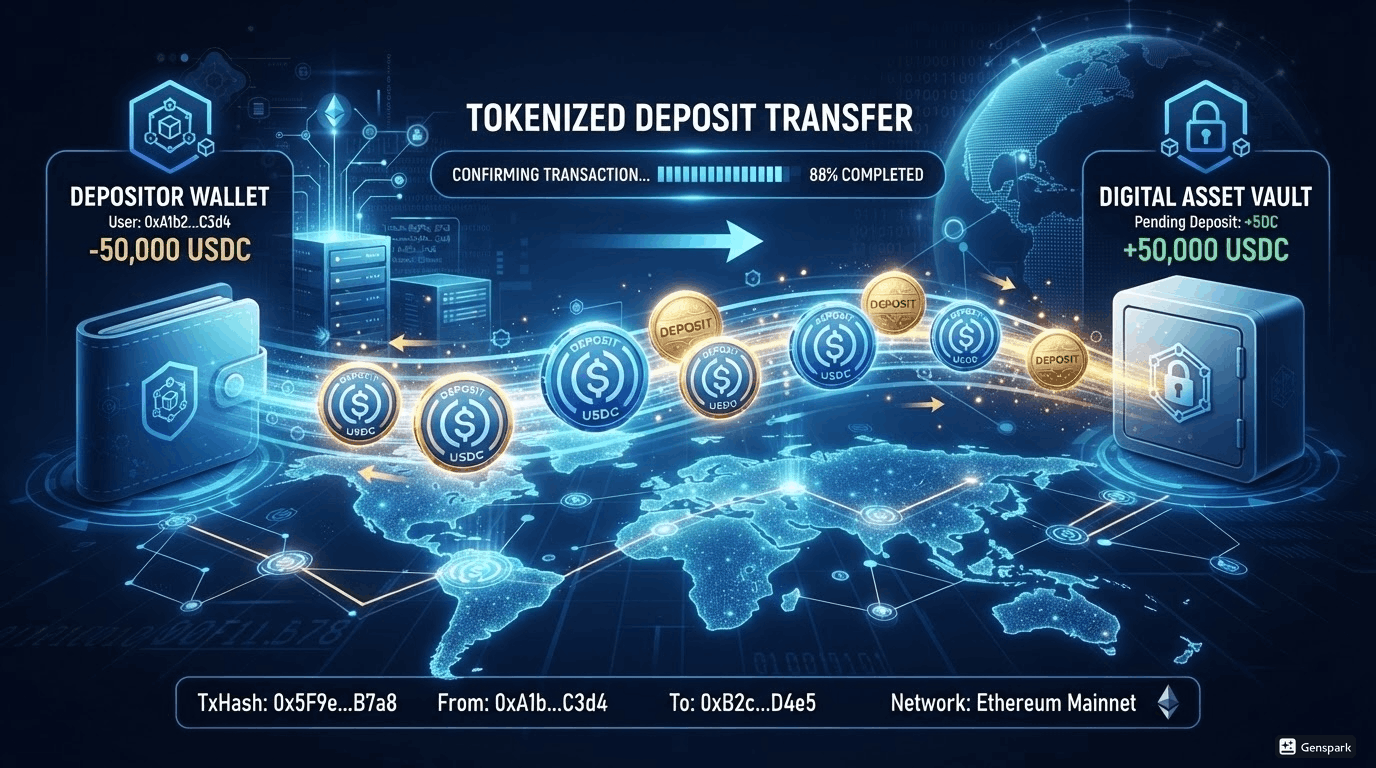
Wells Fargo’s tokenized deposit move has captured attention across both banking and crypto circles. A major U.S. bank is now exploring blockchain rails for everyday deposits. This step signals something bigger than a single company’s experiment. Traditional finance appears ready to blend with digital asset infrastructure. Consequently, this development deserves a closer look from investors and consumers alike.
What Is a Tokenized Deposit Move, Exactly?
A tokenized deposit represents traditional bank funds recorded on a blockchain ledger. Unlike stablecoins, these deposits remain backed directly by the issuing bank itself. Therefore, they carry the same regulatory protections as standard checking accounts. However, the underlying technology allows for faster settlement and easier programmability.
This distinction matters greatly for institutional clients moving large sums. Traditional wire transfers often take days to clear across borders. Blockchain-based deposits, by contrast, can settle within minutes in many cases. As a result, banks see real efficiency gains through this emerging technology.
Wells Fargo joins a small but growing group of banks testing this approach. Other major institutions have explored similar pilots in recent years. Nevertheless, few have moved as publicly or confidently as Wells Fargo has. This tokenized deposit move could encourage additional banks to follow suit soon.
Why Wells Fargo Chose This Path Now
Competitive pressure clearly played a role in this decision. Fintech companies and crypto-native firms have captured significant payment volume recently. Meanwhile, corporate clients increasingly demand faster, cheaper settlement options. So, traditional banks face growing pressure to modernize their infrastructure quickly.
Regulatory conditions have also shifted somewhat favorably this year. Banking regulators have shown more openness toward blockchain experimentation lately. Additionally, stablecoin growth has demonstrated clear demand for digital dollar equivalents. Given these signals, Wells Fargo likely viewed this moment as strategically favorable.
Client demand cannot be overlooked either in this equation. Large corporations increasingly manage treasury operations across multiple currencies and time zones. Thus, faster settlement directly improves their cash management capabilities. This tokenized deposit move directly addresses that specific pain point for clients.
How This Differs From Stablecoins Like USDC
Stablecoins such as USDC operate outside the traditional banking system entirely. They rely on reserves held by private companies, not chartered banks. Tokenized deposits, however, remain fully integrated within existing banking regulations. This difference creates important implications for security and oversight.
Deposit insurance, for instance, typically covers traditional bank deposits up to certain limits. Stablecoins generally lack this same government-backed protection for holders. Consequently, tokenized deposits may appeal more to risk-conscious institutional clients. They combine blockchain speed with familiar regulatory safeguards.
Interoperability remains another key consideration for both formats. Stablecoins currently offer broader compatibility across various blockchain networks and applications. Tokenized deposits, meanwhile, often stay confined within a single bank’s ecosystem. Over time, industry standards may help bridge this current gap.
Market Reaction to the Banking Sector’s Blockchain Push
Crypto markets showed measured interest following news of this development. USDC on-chain activity has grown steadily throughout the past several weeks. This trend suggests stablecoins and tokenized deposits may coexist rather than compete directly. Both formats seem to be expanding institutional comfort with blockchain-based finance overall.
Analysts view this tokenized deposit move as validation for the broader industry. When major banks adopt blockchain technology, credibility increases significantly across financial markets. Institutional investors often watch these signals closely before committing further capital. Therefore, Wells Fargo’s decision could influence sentiment beyond just banking circles.
Some skeptics, however, urge caution before declaring victory too early. Pilot programs frequently face delays or scaling challenges during implementation. Additionally, regulatory clarity around digital assets remains incomplete in several key areas. So, meaningful adoption will likely unfold gradually rather than overnight.
Broader Implications for Traditional Finance
This shift extends well beyond Wells Fargo’s individual initiative alone. Other banks are reportedly exploring similar blockchain-based deposit structures currently. If successful, these pilots could reshape how money moves globally. Settlement times measured in days may eventually shrink to mere seconds.
Cross-border payments stand to benefit enormously from this technological shift. International wire transfers currently involve multiple intermediaries and lengthy processing times. Blockchain rails could compress this entire process into near-instant transactions. Consequently, businesses operating internationally may see meaningful cost savings ahead.
Smaller banks may eventually follow this same trend as well. However, implementation costs remain a genuine barrier for many institutions. Larger banks like Wells Fargo possess resources smaller competitors simply lack. Thus, adoption will likely start at the top before spreading downward.
Risks and Challenges Facing Tokenized Deposits
Technical infrastructure still requires significant development before widespread adoption occurs. Banks must ensure their systems can handle blockchain integration securely. Additionally, cybersecurity concerns remain paramount given the sensitive nature of deposit data. Any breach could severely damage public trust in this technology.
Regulatory uncertainty also poses a real challenge for banks moving forward. Clear federal guidelines around tokenized deposits remain somewhat limited currently. Without consistent rules, banks must navigate ambiguity while building new systems. This situation mirrors broader challenges facing digital asset regulation generally.
Consumer education represents another hurdle worth mentioning here. Many bank customers remain unfamiliar with blockchain technology and its benefits. Therefore, banks must communicate clearly how tokenized deposits actually work. Trust and transparency will prove essential for widespread customer acceptance.
What This Means for Everyday Consumers
Most customers likely won’t notice immediate changes to their accounts. Behind the scenes, however, infrastructure improvements could benefit users eventually. Faster payment processing and reduced fees represent potential long-term advantages. Over time, these improvements might reach retail banking customers directly.
Business owners, particularly those handling international transactions, may see faster benefits. Improved settlement speed directly translates into better cash flow management. Additionally, reduced transaction costs could improve profit margins for smaller businesses. This tokenized deposit move, therefore, carries practical implications beyond Wall Street alone.
Patience remains important as this technology continues developing further. Full-scale rollout will likely take years, not months, to materialize. Nevertheless, early movement from major banks signals genuine momentum building. Consumers should expect gradual, rather than sudden, changes to their banking experience.
Conclusion
Wells Fargo’s blockchain-based deposit initiative represents a meaningful step for traditional finance. This tokenized deposit move demonstrates growing confidence in blockchain infrastructure among major banks. While challenges around regulation and technology remain, momentum clearly continues building. Consumers and businesses alike may eventually benefit from faster, cheaper settlement options. As more institutions explore similar paths, the line between traditional banking and crypto keeps blurring further. Investors should watch this space closely as adoption unfolds over coming months.
FAQ
- How does a bank-issued digital deposit differ from a stablecoin?
Bank deposits remain regulated and insured, while stablecoins operate outside traditional banking oversight. - Is my money safer with blockchain-based bank deposits?
Yes, these deposits typically retain standard deposit insurance protections unlike most stablecoins. - Will this blockchain banking shift affect everyday customers immediately?
Not immediately, though faster payments and lower fees may follow over time. - Are other major banks exploring similar blockchain deposit systems?
Yes, several institutions are reportedly testing comparable pilots alongside Wells Fargo currently. - What risks come with adopting blockchain-based banking infrastructure?
Cybersecurity concerns and unclear regulations remain the biggest challenges facing widespread adoption.