
Crypto Regulation Delay: What It Means for Investors
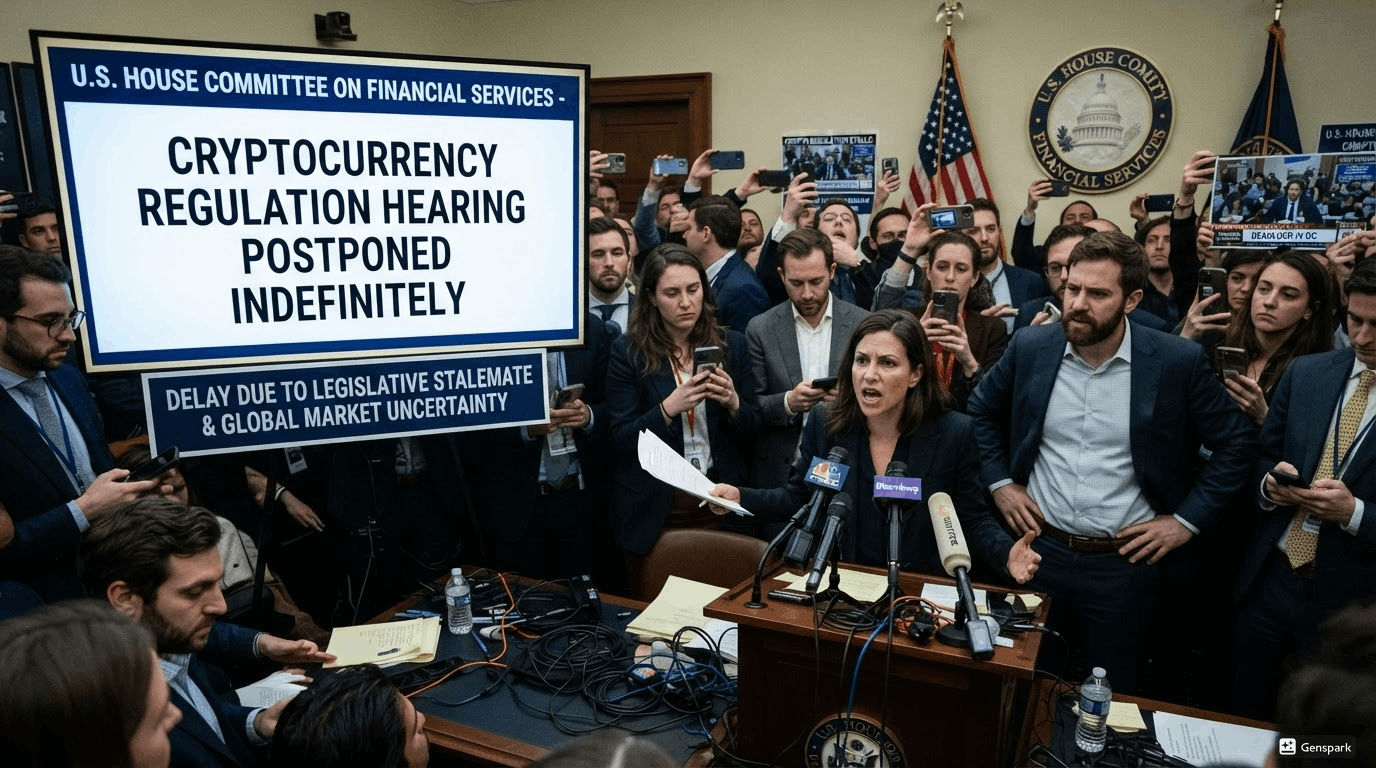
The crypto regulation delay tied to the CLARITY Act has become one of the year’s most closely watched stories. Wall Street firms built plans around a clear rulebook that never arrived on schedule. Institutional investors now face a landscape shaped by uncertainty rather than settled law. Meanwhile, digital asset markets continue moving forward, regardless of Washington’s timeline. This article breaks down why the delay happened and what it truly means for the months ahead.
Understanding the Crypto Regulation Delay and the CLARITY Act
Congress introduced the CLARITY Act to define how digital assets fit within existing securities law. Lawmakers hoped the bill would clarify oversight between the SEC and CFTC. However, the Senate shelved the legislation just before its August recess. As a result, the crypto regulation delay left many open questions unanswered. Firms that expected clear guidance instead received another round of waiting.
This is not the first time regulatory efforts have stalled in Washington. Still, the timing matters more now than in previous years. Institutional capital has grown significantly since the last major legislative push. Therefore, any additional crypto regulation delay carries larger consequences for the broader market this time around.
Why the CLARITY Act Stalled in the Senate
Several factors contributed to the recent setback. First, senators prioritized a backlog of nominations and foreign relations matters. Second, disagreements over jurisdictional boundaries between regulators remained unresolved for months. Additionally, election-year politics made compromise harder to reach than usual. Consequently, the bill lost momentum just as the recess approached.
Industry groups had lobbied heavily for passage throughout the year. Nevertheless, competing priorities pushed the legislation aside once again. This pattern reflects a broader trend: financial innovation often outpaces the speed of policymaking. Because of this gap, companies must plan around ambiguity rather than certainty.
The bottleneck also highlights structural challenges within Congress itself. Complex financial bills typically require broad bipartisan support to advance smoothly. Yet digital assets remain a politically divisive topic for many lawmakers. So, another crypto regulation delay was, in hindsight, somewhat predictable given these dynamics.
How Regulatory Uncertainty Shapes Institutional Strategy
Institutional investors rely on predictable rules to allocate capital responsibly. Without them, compliance teams must build flexible frameworks instead. Many firms are now stress-testing portfolios against multiple regulatory outcomes. This approach helps limit exposure if new rules arrive unexpectedly later this year.
The ongoing crypto regulation delay also affects custody arrangements across the industry. Banks considering tokenized deposits, for example, need clear legal footing before scaling operations further. Wells Fargo’s recent move toward blockchain-based deposits illustrates this cautious approach well. Similarly, asset managers are adjusting product launch timelines to match the uncertainty.
Legal teams, meanwhile, are drafting contingency language into client agreements. This step protects firms if regulatory definitions shift suddenly. Consequently, flexibility has become just as valuable as compliance itself. Firms that adapt quickly tend to weather these delays more comfortably.
Market Reactions to the Regulatory Holdup
Crypto markets did not collapse after the Senate’s decision was announced. Bitcoin traded within a familiar range throughout the following week. However, sentiment among traders grew noticeably more cautious overall. Some altcoins, including XRP, saw modest declines tied directly to the news.
Meanwhile, other assets performed quite differently during the same period. Cardano surged on unrelated technical developments, showing that not every price move follows regulatory headlines. This divergence suggests investors are weighing multiple factors simultaneously. A single crypto regulation delay rarely acts alone in shaping market behavior.
Analysts note that short-term volatility often fades once markets adjust. Instead, longer-term positioning tends to reflect deeper structural concerns. For instance, institutional allocators think in quarters, not headlines. Thus, patience remains a common theme among seasoned market participants.
A Brief History of Crypto Regulation Timelines
Crypto policy has followed a slow, uneven path for years now. Early proposals often failed to gain meaningful traction in Congress. Later attempts made progress but still fell short of full passage. This pattern of delay is, in some ways, familiar territory for the industry.
What differs today is the sheer scale of institutional involvement. Spot Bitcoin ETFs now hold billions of dollars in assets under management. Traditional banks are exploring tokenization at a scale unseen before this year. Given this growth, each new crypto regulation delay carries far heavier weight than earlier setbacks did.
Regulators abroad, meanwhile, have moved at a different pace entirely. Some jurisdictions passed comprehensive frameworks years ahead of the United States. This contrast raises questions about competitiveness and capital flight. Nevertheless, American markets remain deeply attractive despite the ongoing uncertainty.
What Institutional Investors Should Do Now
Waiting passively is not a realistic strategy for most firms. Instead, many are diversifying compliance approaches across multiple jurisdictions at once. Some are engaging directly with regulators to help shape future rules. Others are building internal risk models that account for prolonged delays.
Diversification also applies directly to asset selection strategies. Institutions are spreading exposure across Bitcoin, Ethereum, and select altcoins rather than concentrating risk. Additionally, many are increasing allocations to stablecoins backed by transparent reserves. This approach helps balance growth potential against ongoing regulatory exposure.
Communication with stakeholders matters just as much as strategy itself. Clear internal messaging helps teams respond quickly to sudden policy shifts. Because conditions can change fast, agility remains genuinely essential. Firms preparing now will likely adapt faster once new rules finally emerge.
Looking Ahead: The Future of Crypto Policy
Analysts expect renewed debate once the Senate returns from recess. However, passage before year-end remains far from guaranteed. Political priorities could shift again depending on broader economic conditions. Still, pressure from the industry continues building steadily behind the scenes.
International developments may also influence future U.S. timelines. Other regions are moving faster on digital asset frameworks overall. This gap could push American lawmakers toward action out of competitive necessity. Until then, the crypto regulation delay remains the default state of affairs for markets.
Investors should expect incremental updates rather than sudden breakthroughs. Committee hearings and public statements often precede any real movement. So, monitoring official channels remains more useful than reacting to rumors. Steady attention, not panic, tends to serve long-term investors best.
Conclusion
The crypto regulation delay surrounding the CLARITY Act reflects deeper tensions in Washington. Lawmakers remain divided over how to classify and oversee digital assets. Meanwhile, institutional investors continue adapting through diversification and careful risk planning. Markets have shown resilience despite the setback, though caution persists across trading desks. Ultimately, patience and preparation will matter more than predicting exact timelines. Firms that build flexibility into their strategy now will likely benefit most once clarity finally arrives.
FAQ
- What caused the recent delay in U.S. crypto legislation?
Senators prioritized nominations and foreign policy matters, pushing the CLARITY Act aside before recess. - How does regulatory uncertainty affect institutional crypto investors?
It forces firms to build flexible compliance frameworks instead of relying on fixed, predictable rules. - Did crypto prices crash after the Senate postponed the bill?
No, Bitcoin remained range-bound, though trader sentiment grew more cautious afterward. - When might the CLARITY Act pass into law?
Analysts expect renewed debate after recess, though passage before year-end remains uncertain. - What can investors do while regulatory clarity remains stalled?
Diversifying assets, engaging regulators, and stress-testing portfolios helps manage ongoing uncertainty effectively.