Metaverse Investments Suffer From Bad Market Timing
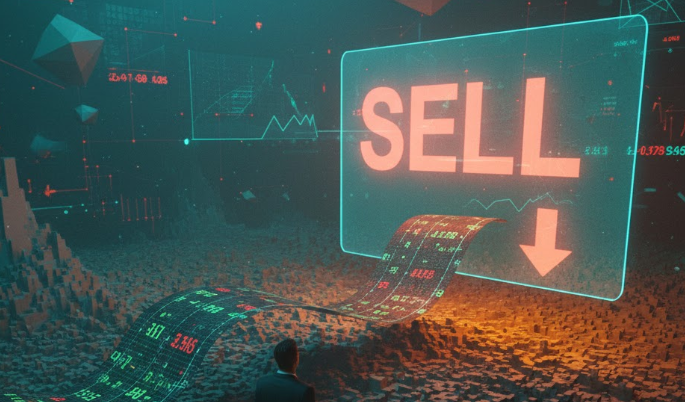
This has become a cautionary tale for modern markets. A few years ago, the metaverse was sold as the next internet. Capital poured in. Headlines promised virtual worlds, digital land rushes, and limitless opportunity. Yet today, many of those investments sit underwater, abandoned, or quietly written down.
The problem was not imagination. It was timing.
Markets reward patience as much as vision. When technology arrives before infrastructure, culture, and demand align, even great ideas struggle. The metaverse did not fail because it lacked potential. It suffered because investment momentum outpaced reality.
This article explores how metaverse investment timing went wrong, why early capital struggled, and what lessons investors can carry forward into future emerging technologies.
Why Metaverse Investment Timing Became So Misaligned
Timing is everything in speculative markets. Enter too late, and upside disappears. Enter too early, and capital bleeds while waiting.
Metaverse investment timing became distorted because hype compressed expectations into an unrealistically short window. Investors assumed rapid adoption would follow brand announcements and rebranding moves. Instead, consumer behavior moved slowly.
Several forces contributed to poor timing:
- Overconfidence in early prototypes
- Assumptions that users would change habits quickly
- Misreading gamer behavior as mainstream demand
- Belief that hardware adoption would accelerate faster
As a result, money arrived before users did.
Hype Cycles and Metaverse Investment Timing
Every emerging technology follows a hype cycle. The metaverse followed it aggressively.
Early success stories inflated expectations. Virtual concerts, NFT land sales, and corporate demos looked impressive. However, these moments were exceptions, not proof of sustainable demand.
Metaverse investment timing suffered because hype replaced evidence. Instead of asking whether users wanted to stay in virtual worlds, markets assumed they would.
Hype cycles create urgency. Urgency destroys discipline. When fear of missing out takes control, timing errors multiply.
Infrastructure Gaps That Hurt Metaverse Investment Timing
Technology ecosystems require foundations. The metaverse lacked several.
At the time capital surged, key infrastructure was still immature. Hardware remained bulky and expensive. Network latency limited immersion. Interoperability barely existed.
This failed to account for:
- Slow VR headset adoption
- Physical discomfort during extended use
- Fragmented platforms with closed ecosystems
- Limited creator tools for sustainable content
Without infrastructure, experiences felt shallow. Users tried once and left.
Consumer Behavior vs Investor Expectations
Investors assumed novelty would drive engagement. Consumers proved otherwise.
People value convenience. They value familiarity. Switching daily behavior requires clear benefit. The metaverse offered curiosity, not necessity.
Metaverse investment timing misread consumer psychology. Virtual meetings did not outperform video calls. Digital land ownership lacked utility. Social interaction felt forced rather than natural.
When novelty faded, retention collapsed. Timing exposed the gap between imagination and habit.
Corporate Adoption and the Timing Trap
Enterprise investment followed consumer hype.
Companies rushed to establish virtual headquarters. Marketing budgets funded metaverse experiments. Yet internal adoption rarely followed.
Employees resisted headsets. Training costs rose. ROI remained unclear.
Corporate pilots stalled because:
- Productivity gains were unproven
- Learning curves were steep
- Integration with existing tools was weak
Without enterprise pull, commercial demand softened quickly.
Speculation Over Substance in Metaverse Assets
Asset speculation amplified timing errors.
Virtual land, tokens, and avatars surged in price without corresponding utility. Scarcity was manufactured before value existed.
Metaverse investment timing suffered because assets were priced for maturity during infancy. Early buyers paid for future promises that could not yet be delivered.
When liquidity dried up, prices collapsed. Timing exposed speculative fragility.
Capital Intensity and the Cost of Waiting
Early-stage technologies burn cash. The metaverse burned more than expected.
Maintaining virtual platforms required continuous investment. Content creation was expensive. User acquisition costs remained high.
Metaverse investment timing underestimated runway risk. Capital had to sustain years of development without proportional revenue.
As funding tightened, projects were scaled back or shut down. Timing magnified capital inefficiency.
User Experience Limitations and Adoption Timing
Experience matters more than vision.
Early metaverse platforms felt clunky. Graphics lagged behind expectations. Social interactions felt artificial.
Assumed experience would improve fast enough to retain users. Instead, progress was incremental.
Poor experiences discouraged return visits. Adoption stalled before network effects could form.
Regulatory and Cultural Readiness
Technology adoption does not occur in a vacuum.
Privacy concerns, digital identity questions, and data ownership issues remained unresolved. Cultural acceptance lagged.
Metaverse investment timing ignored societal readiness. Users were not prepared to live portions of life in virtual spaces. Regulators were uncertain how to govern them.
Uncertainty slowed partnerships and long-term commitments.
Comparing Metaverse Investment Timing to Past Tech Waves
History offers parallels.
The early internet saw similar timing mistakes. Dot-com capital rushed ahead of broadband, user literacy, and business models. Many failed. Some survived.
Metaverse investment timing followed a familiar pattern. Infrastructure and culture were years away, yet capital behaved as if maturity was imminent.
The lesson is not avoidance. It is patience.
What Early Investors Misjudged About Scale
Scale is deceptive.
Early demos scale poorly. What works for thousands may fail for millions. The metaverse faced scaling challenges across compute, moderation, and content.
It underestimated:
- Moderation complexity
- Safety and harassment risks
- Technical scaling costs
- Content quality control
Scaling realities arrived after capital was committed.
Market Sentiment Shifts and Timing Risk
Macro conditions changed fast.
Rising interest rates punished speculative assets. Risk appetite declined. Capital rotated toward cash flow and fundamentals.
Metaverse investment timing collided with macro tightening. Projects dependent on long-term optimism struggled in a market demanding results.
Timing errors were exposed when liquidity vanished.
Developer Economics and Ecosystem Timing
Developers build where rewards exist.
The metaverse promised creator economies. In practice, monetization remained unclear. Tools were immature. Platforms changed rules often.
Metaverse investment timing assumed developers would build first and monetize later. Many left instead.
Without developers, ecosystems stagnated. Timing revealed weak incentives.
Why the Metaverse Is Not Dead, Just Early
Failure narratives miss nuance.
The metaverse did not disappear. It retreated to a quieter phase. Infrastructure improves slowly. Use cases mature quietly.
Metaverse investment timing failed because expectations were set too early, not because the concept lacks future relevance.
Timing determines survival during winters.
Lessons Investors Can Learn From Metaverse Timing
The market teaches through pain.
Key lessons include:
- Adoption matters more than announcements
- Infrastructure precedes experience
- Culture changes slower than capital
- Timing beats vision alone
Emerging technologies reward those who wait for signals, not slogans.
How Better Metaverse Investment Timing Looks
Better timing focuses on indicators, not hype.
Signals include:
- Sustained daily user growth
- Affordable, comfortable hardware
- Clear enterprise productivity gains
- Stable developer monetization
When signals appear, capital follows more safely.
Reframing Metaverse Investment Timing Going Forward
Timing can be corrected.
Future investments may focus on components rather than worlds. Hardware advances, simulation tools, and spatial computing may mature independently.
Investment timing improves when capital targets infrastructure layers instead of consumer fantasies.
Patience becomes strategy.
The Role of Long-Term Capital
Some capital is designed to wait.
Patient investors accept slow cycles. They fund infrastructure quietly. They survive winters.
Metaverse investment timing favors long-term capital that understands delayed returns.
Short-term speculation suffers most.
Conclusion
Metaverse investment timing failed because markets confused possibility with readiness. Capital arrived before users, infrastructure, and culture aligned. The result was inflated expectations and painful corrections.
Yet timing mistakes do not erase future potential. They simply reset the clock. The metaverse may still evolve, but on a timeline shaped by human behavior, not headlines.
Investors who learn from timing errors gain discipline. In emerging markets, patience is not passive. It is strategic. Timing, more than vision, decides who survives long enough to win.
FAQ
1. What is metaverse investment timing?
It refers to when capital enters metaverse-related markets relative to technology readiness and user adoption.
2. Why did metaverse investments struggle?
Because investment arrived before infrastructure, consumer demand, and clear use cases were mature.
3. Does poor timing mean the metaverse failed?
No. It suggests the technology was earlier than market expectations.
4. What signals indicate better metaverse investment timing?
Sustained user adoption, affordable hardware, developer monetization, and enterprise value.
5. What lesson applies to other emerging technologies?
Timing matters as much as innovation. Entering too early carries real cost.