Metaverse Hardware Innovation Is Moving Faster Than Adoption
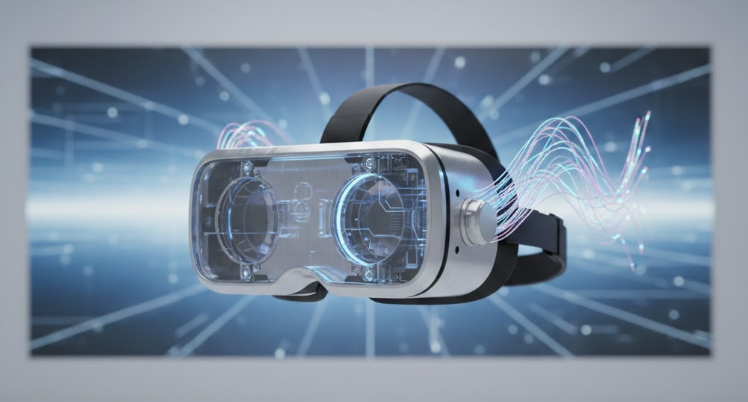
Metaverse hardware innovation is moving at a breathtaking pace. Headsets are lighter. Displays are sharper. Sensors are smarter. Processing power is improving faster than many expected. On paper, the future looks ready.
Yet in reality, adoption tells a different story.
Despite rapid advances in metaverse hardware, most people are still not using immersive devices daily. Some have tried them once. Others remain curious. Many are simply waiting. The gap between what hardware can do and what users are willing to adopt keeps widening.
This disconnect is not a failure of engineering. It is a mismatch between technological progress and human readiness. Understanding why metaverse hardware innovation is outpacing adoption helps explain where the market truly stands and where it may go next.
The Speed of Metaverse Hardware Innovation
Hardware teams are not standing still. If anything, they are sprinting.
Metaverse hardware innovation has delivered dramatic improvements in just a few years. Devices that once felt like bulky helmets now resemble oversized glasses. Tracking accuracy has improved. Latency has dropped. Visual fidelity keeps climbing.
Key areas of rapid innovation include:
- Lighter and more ergonomic headsets
- Higher-resolution displays with wider fields of view
- Advanced hand and eye tracking
- Improved spatial audio
- More efficient processors and batteries
From a technical standpoint, progress is undeniable. Engineers solved problems that once seemed unsolvable.
Why Adoption Has Not Kept Pace
Technology readiness does not equal user readiness.
Metaverse hardware innovation assumes people want to spend hours inside immersive environments. Most people do not. At least, not yet.
Adoption lags because daily habits are hard to change. Phones fit in pockets. Laptops sit on desks. Headsets demand space, setup, and intention.
While innovation accelerates, users still ask simple questions. Why do I need this? What does it replace? What does it improve?
Without clear answers, adoption stalls.
Cost Remains a Barrier Despite Innovation
Hardware has improved, but prices remain high.
Metaverse hardware innovation often pushes cutting-edge components into devices. That innovation carries cost. Even mid-range headsets feel expensive for casual use.
Consumers compare value instinctively. A headset competes not only with other devices, but with experiences. Streaming services, smartphones, travel, and entertainment all fight for the same budget.
Until pricing aligns with perceived daily value, adoption will remain selective.
Comfort and Physical Friction
Comfort determines usage more than specs.
Even with improved ergonomics, wearing a headset for extended periods still causes fatigue for many users. Heat, pressure, and motion discomfort remain real issues.
Metaverse hardware innovation reduces friction, but does not eliminate it. Glasses are still easier than headsets. Screens are still easier than immersion.
Small inconveniences compound. When friction outweighs benefit, adoption slows.
The Cultural Readiness Gap
Culture evolves slower than technology.
Metaverse hardware innovation assumes social norms will adapt quickly. They rarely do. Wearing headsets in public still feels awkward. Using avatars for serious work feels unfamiliar.
People adopt technology when it blends into life naturally. Smartphones succeeded because they integrated seamlessly. Immersive hardware still feels like an activity, not an extension.
Cultural readiness takes time. Hardware cannot force it.
Use Cases Lag Behind Hardware Capability
Capability does not equal necessity.
Metaverse hardware innovation enables impressive experiences. However, most users still struggle to name a daily use case that feels essential.
Gaming remains the strongest driver. Enterprise training shows promise. Social worlds attract niche communities. Yet mass-market utility remains unclear.
When hardware solves problems people do not feel urgently, adoption pauses. Innovation runs ahead. Demand waits behind.
Enterprise Adoption Faces Different Friction
Enterprises adopt differently than consumers.
Metaverse hardware innovation has captured corporate interest, especially for training and simulation. However, enterprise rollouts face procurement, compliance, and change management challenges.
Employees may resist wearing headsets. IT teams worry about support. Leaders demand measurable ROI.
As a result, enterprise adoption progresses cautiously, even when hardware performance impresses.
Metaverse Hardware Innovation vs Software Maturity
Hardware often advances faster than software ecosystems.
Powerful devices need compelling applications. Many metaverse platforms remain fragmented, experimental, or unstable.
Developers struggle with:
- Limited user bases
- Evolving hardware standards
- Unclear monetization models
- High development complexity
Metaverse hardware innovation creates potential. Software maturity determines whether that potential is realized.
The Problem of Overengineering
Sometimes innovation overshoots need.
Metaverse hardware innovation delivers features users did not request. Eye tracking, facial capture, and advanced haptics sound impressive, but add little value for casual users today.
Overengineering increases cost and complexity. Meanwhile, simpler improvements like comfort, battery life, and ease of use matter more.
Adoption often favors “good enough” over “technically brilliant.”
Social Fatigue and Digital Saturation
People are already tired of screens.
Metaverse hardware innovation competes with digital fatigue. After hours of video calls and scrolling, many users want less immersion, not more.
Immersive hardware demands attention and energy. For exhausted users, that demand feels heavy.
Adoption slows when technology increases cognitive load rather than reducing it.
Hardware Innovation Assumes Network Effects Too Early
Network effects require people.
Metaverse hardware innovation often assumes social adoption will follow hardware availability. History suggests the opposite. People join when others are already there.
Without critical mass, social experiences feel empty. Early adopters churn. Late adopters hesitate.
Hardware can enable networks, but cannot create them alone.
Comparing Metaverse Hardware to Past Tech Waves
History offers perspective.
Early VR, 3D TVs, and even tablets faced similar gaps. Hardware matured before habits changed. Some technologies eventually found their place. Others faded.
Metaverse hardware innovation mirrors these patterns. Early iterations overshoot expectations. Adoption catches up later, if value becomes clear.
Timing matters more than speed.
Why Innovation Continues Despite Slow Adoption
Hardware teams do not wait for users.
Competition drives progress. Companies race to differentiate. Research investments demand output.
Metaverse hardware innovation continues because long-term bets require years of development. Waiting for adoption before innovating would stall progress entirely.
The risk is not innovation itself. The risk is assuming adoption will follow immediately.
The Role of Developers in Closing the Gap
Developers translate capability into value.
Metaverse hardware innovation needs developers who create simple, useful experiences. Tools must lower barriers. Platforms must stabilize.
When developers find repeatable value, adoption accelerates. Until then, hardware remains impressive but underused.
Ecosystems, not devices, drive usage.
Interoperability and Fragmentation Issues
Fragmentation slows adoption.
Metaverse hardware innovation spans many ecosystems. Devices do not always work together. Standards remain fluid.
Users hesitate to invest when platforms feel temporary. Developers hesitate when rules keep changing.
Adoption accelerates when ecosystems converge, not when they splinter.
User Trust and Privacy Concerns
Hardware innovation raises new concerns.
Eye tracking, facial scanning, and biometric data introduce privacy questions. Users worry about surveillance and misuse.
Metaverse hardware innovation increases data sensitivity faster than trust frameworks evolve. That imbalance creates hesitation.
Adoption depends on confidence, not just capability.
Why Slower Adoption Is Not a Failure
Patience is not defeat.
Metaverse hardware innovation moving faster than adoption is normal for foundational technology. Roads were built before cars filled them. Fiber cables were laid before streaming exploded.
Early phases look quiet. They are not empty. They are preparatory.
Adoption often arrives suddenly after long dormancy.
What Needs to Change for Adoption to Catch Up
Several shifts could close the gap.
Adoption accelerates when:
- Hardware becomes lighter and cheaper
- Battery life improves significantly
- Clear daily use cases emerge
- Social norms evolve
- Software ecosystems stabilize
None of these depend on innovation alone. They depend on alignment.
The Long Game of Metaverse Hardware Innovation
Hardware innovation plays a long game.
Today’s devices may not drive mass adoption. They inform tomorrow’s designs. Iteration builds understanding.
Metaverse hardware innovation lays groundwork. Adoption follows when conditions align.
Speed without alignment creates tension. Alignment releases momentum.
What Investors and Businesses Should Learn
Timing matters more than novelty.
Metaverse hardware innovation is real. Adoption is simply slower. Businesses must plan accordingly.
Short-term expectations cause disappointment. Long-term strategy benefits from patience.
Those who align innovation with human behavior outperform those who chase headlines.
Conclusion
Metaverse hardware innovation is racing ahead, solving technical challenges at impressive speed. Yet adoption moves at a human pace. Comfort, culture, cost, and clear value shape behavior more than specs ever will.
This gap does not signal failure. It signals misaligned timelines. Hardware builds possibility. Adoption requires meaning.
When innovation and human readiness finally align, the metaverse may feel sudden. Until then, progress continues quietly. In technology, the future often arrives slowly, then all at once.
FAQ
1. What is metaverse hardware innovation?
It refers to advancements in devices like VR and AR headsets, sensors, and immersive computing hardware.
2. Why is adoption slower than hardware progress?
Because cost, comfort, culture, and unclear daily value slow behavior change.
3. Does slow adoption mean the metaverse will fail?
No. It suggests the technology is early relative to social readiness.
4. What use cases drive current adoption most?
Gaming, training simulations, and niche professional applications lead adoption.
5. When might adoption accelerate?
When hardware becomes lighter, cheaper, and tied to clear everyday benefits.