NFTs and AI Integration: How Two Technologies Converge
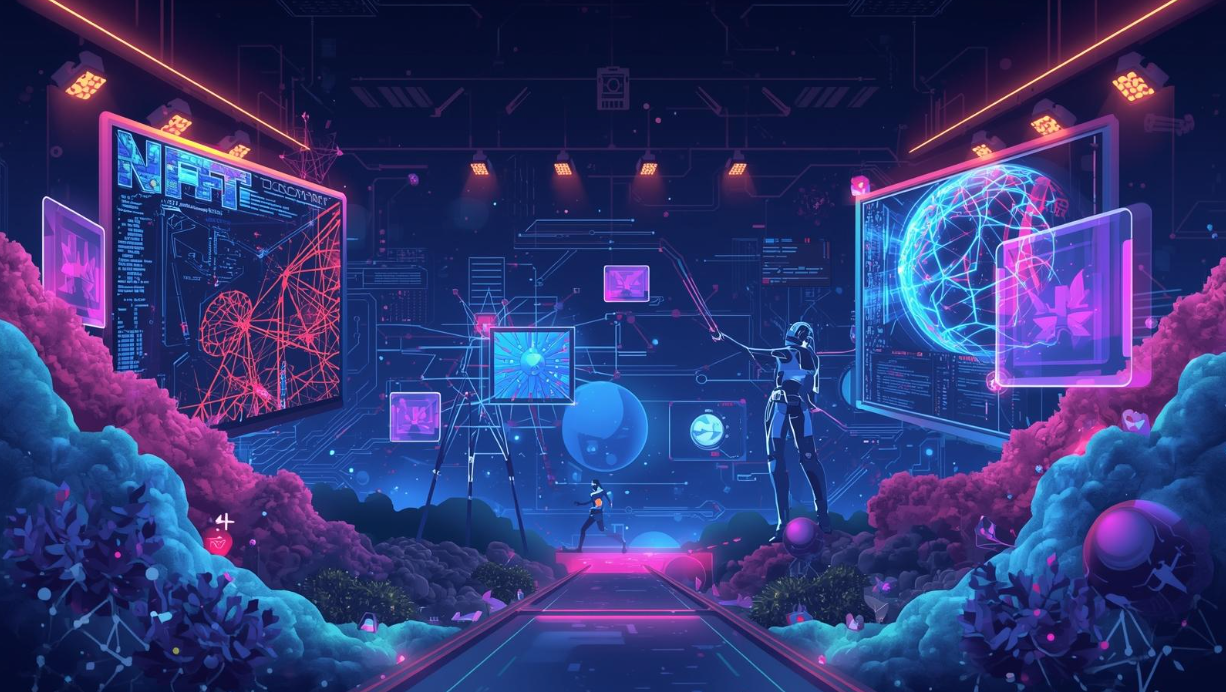
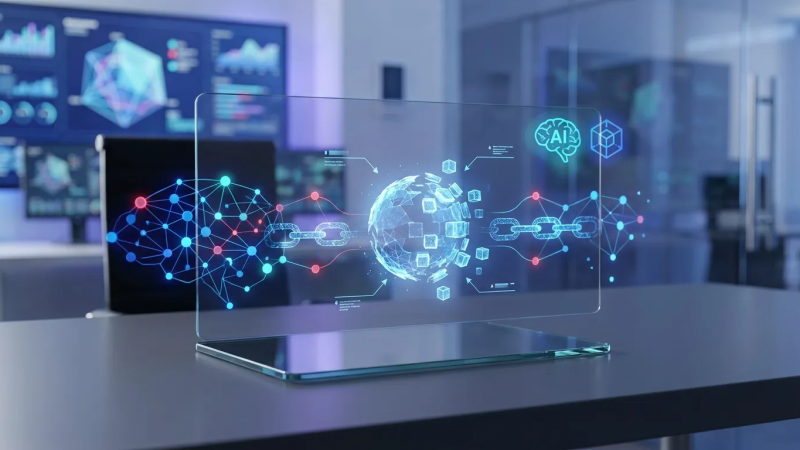
Technology rarely moves in straight lines. Instead, it overlaps, collides, and merges in unexpected ways. Right now, one of the most fascinating intersections is the growing relationship between artificial intelligence and non-fungible tokens. NFTs and AI integration is no longer experimental. It is becoming foundational to how digital value is created and sustained.
At first, NFTs were seen as static assets. You minted them, traded them, and displayed them. Meanwhile, AI developed on a separate track, quietly learning patterns, generating content, and optimizing systems. However, those paths are now converging.
When AI meets NFTs, digital assets stop being frozen in time. They become adaptive, intelligent, and responsive. As a result, ownership shifts from holding an object to stewarding a living system. That change carries massive implications for creators, collectors, and entire industries.
So how exactly are NFTs and AI integration unfolding? And why does it matter far beyond digital art? Let’s explore the landscape with clarity and depth.
Understanding NFTs and AI Integration
NFTs represent unique digital ownership recorded on blockchains. AI represents systems capable of learning, adapting, and generating outputs. NFTs and AI integration occurs when these systems work together to create assets that evolve, react, or make decisions.
Instead of a static image, imagine an NFT artwork that changes style based on viewer behavior. Rather than a fixed avatar, picture one that learns your preferences over time. These are not future ideas. They already exist in early forms.
Importantly, integration can happen at different levels. Sometimes AI helps create NFTs. Other times, AI becomes embedded within the NFT itself. In both cases, the value proposition changes dramatically.
Because AI introduces variability, scarcity becomes dynamic. Each interaction influences the asset’s state. Therefore, ownership becomes experiential rather than purely transactional.
AI-Generated Art and NFT Creation
The most visible example of NFTs and AI integration appears in digital art. AI models generate images, music, and animations based on prompts or datasets. These outputs can then be minted as NFTs.
This process lowers barriers for creators. Someone without traditional art training can collaborate with AI to produce compelling work. Creativity shifts from execution to direction.
However, questions quickly emerge. Who is the artist? Is it the human, the algorithm, or both? While debates continue, collectors focus on originality and narrative.
Additionally, AI allows for large generative collections. Traits are not manually designed one by one. Instead, systems produce variations at scale. This approach powered many early NFT projects.
Still, AI-generated NFTs face scrutiny. Quality varies widely. Consequently, curation and intent matter more than volume.
Dynamic NFTs Powered by AI
Static NFTs feel limited once you experience dynamic ones. NFTs and AI integration unlocks assets that change over time.
A dynamic NFT might evolve based on market data, user interaction, or external events. AI interprets inputs and updates the asset accordingly. As a result, each NFT develops a unique history.
For example, a virtual pet NFT could learn behaviors based on how often it is engaged. Another asset might change appearance as its owner participates in a community.
This adaptability increases emotional attachment. Owners feel involved in the asset’s growth. Therefore, long-term engagement improves.
From an economic perspective, dynamic NFTs introduce new valuation models. Rarity may depend on behavior rather than fixed traits.
AI Avatars and Digital Identity
Identity is becoming digital-first. NFTs and AI integration plays a crucial role in shaping virtual personas.
NFT avatars represent ownership of identity. AI enhances that identity by adding intelligence. Avatars can speak, react, and learn autonomously.
In virtual worlds, AI-driven NFT avatars can attend events or represent users while they are offline. These agents negotiate, socialize, or gather information.
Such systems blur lines between presence and absence. Ownership extends into delegation. Your avatar becomes an extension of you.
However, ethical concerns arise. Consent, representation, and misuse require safeguards. As identity becomes programmable, responsibility grows.
Gaming and NFTs and AI Integration
Gaming offers fertile ground for experimentation. NFTs and AI integration transforms in-game assets into evolving entities.
Weapons might learn usage patterns. Characters adapt strategies based on player behavior. Entire game economies respond dynamically to collective actions.
This intelligence creates richer gameplay. Predictability decreases. Each session feels fresh.
Moreover, ownership persists beyond a single game. NFT assets can move across platforms, carrying AI-trained histories.
For developers, this model encourages longer engagement. For players, it enhances immersion. Yet balancing fairness remains essential.
Music, Media, and Interactive NFTs
Media consumption is shifting from passive to interactive. NFTs and AI integration accelerates that shift.
Music NFTs can remix themselves based on listener preferences. Visual media adapts to mood or time of day. Stories branch dynamically.
AI analyzes engagement patterns and adjusts content. Therefore, each owner experiences a personalized version.
Artists gain new creative tools. Fans gain deeper connections. However, production complexity increases.
Monetization models also evolve. Access tiers, dynamic royalties, and participation-based rewards become viable.
Smart Royalties and Automated Ownership
Royalties have long been difficult to manage. NFTs simplified distribution. AI takes it further.
Through NFTs and AI integration, royalties can adapt to performance. AI monitors usage, reach, and secondary markets.
Based on predefined rules, payouts adjust automatically. This system rewards ongoing relevance rather than one-time sales.
Additionally, AI detects infringement or misuse. Automated enforcement reduces legal friction.
Creators benefit from transparency. Collectors gain confidence. Trust improves across ecosystems.
Data NFTs and AI Training
Data fuels AI. Ownership of data becomes critical. NFTs offer a solution.
Data NFTs represent ownership of datasets. AI models can license access transparently. Compensation flows directly to owners.
This approach democratizes AI development. Individuals monetize personal data ethically. Control remains decentralized.
However, privacy concerns persist. Safeguards must ensure consent and anonymization.
Still, NFTs and AI integration could reshape data economies by aligning incentives.
AI Governance Through NFTs
Governance structures evolve alongside technology. NFTs and AI integration enables intelligent governance systems.
Voting NFTs gain adaptive weight. AI analyzes participation quality, not just quantity. Influence aligns with contribution.
Decentralized organizations use AI to simulate outcomes. Proposals are stress-tested before implementation.
This intelligence improves decision-making. However, transparency remains vital. Black-box systems erode trust.
Therefore, explainable AI becomes essential in governance contexts.
Marketplaces and Discovery
Discovery remains a challenge in crowded markets. NFTs and AI integration improves curation.
AI analyzes preferences and behavior. Marketplaces recommend relevant assets. Noise decreases.
For creators, visibility improves. For collectors, satisfaction increases.
Yet algorithms shape taste. Diversity must be preserved intentionally.
Balancing personalization with exploration remains key.
Legal and Ethical Considerations
Innovation outpaces regulation. NFTs and AI integration raises legal questions.
Who owns AI-generated output? How are liabilities assigned? Jurisdictions differ widely.
Additionally, bias in AI systems affects asset behavior. Ethical design becomes non-negotiable.
Standards will emerge over time. Until then, caution and transparency matter.
Economic Implications of NFTs and AI Integration
Economically, integration expands digital labor. AI-trained NFTs perform tasks, generate value, and earn income.
Ownership becomes productive. Assets work on behalf of owners.
This shift mirrors automation trends in physical economies. However, ownership distribution determines outcomes.
If access remains open, opportunity broadens. If not, inequality deepens.
Design choices made today shape tomorrow’s economy.
The Creative Shift
Creativity changes when tools evolve. NFTs and AI integration redefine authorship.
Artists become directors. Systems execute variations. Collaboration replaces solo creation.
This shift challenges traditional notions of originality. Yet innovation thrives under new constraints.
History shows creativity adapts. This moment is no different.
Challenges Slowing Adoption
Despite promise, obstacles remain. Technical complexity deters newcomers. Costs fluctuate.
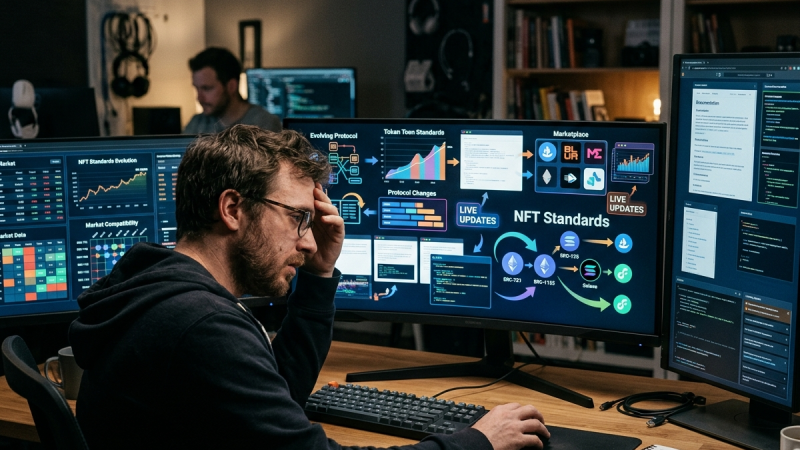
Interoperability issues fragment ecosystems. Assets remain siloed.
Education lags behind innovation. Misunderstanding fuels skepticism.
However, these challenges mirror earlier digital transitions. Over time, usability improves.
The Future of NFTs and AI Integration
Looking ahead, integration deepens. Assets become autonomous. Systems interconnect.
Physical and digital worlds blend. AI-driven NFTs interact with real-world data.
Standards emerge. Regulation stabilizes markets.
Ultimately, NFTs and AI integration transforms ownership from static possession to dynamic participation.
Conclusion
NFTs and AI integration represents a turning point in digital evolution. Together, they create assets that learn, adapt, and generate value beyond initial creation. While challenges remain, the convergence unlocks new forms of creativity, ownership, and economic participation. As these technologies mature, those who understand their synergy will help shape the next chapter of the digital world.
FAQ
- What does NFTs and AI integration mean?
It refers to combining AI systems with NFTs to create adaptive, intelligent digital assets. - Can AI-generated content be sold as NFTs?
Yes, AI-generated art, music, and media can be minted and sold as NFTs. - Are dynamic NFTs more valuable than static ones?
Value depends on utility and demand, but dynamic NFTs often drive higher engagement. - Do AI-powered NFTs pose ethical risks?
Yes, issues include bias, ownership clarity, and data privacy. - Will NFTs and AI integration become mainstream?
Adoption is growing steadily as tools improve and use cases expand.