Future of DeFi Security and Investor Safety Explained
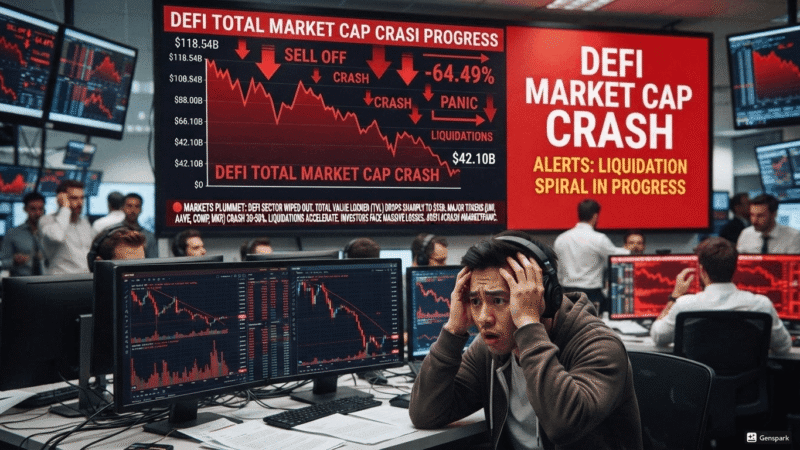
Decentralized finance is no longer an experiment. It has become a living, breathing financial ecosystem handling billions in value. Yet, with every innovation comes risk. Hacks, exploits, and protocol failures have reminded investors that freedom without safeguards can be costly.
That is why the future of DeFi security matters so much. It shapes not only how protocols are built, but also how investors decide where to place their trust. If DeFi wants to rival traditional finance, safety cannot remain optional.
So where are we headed? And how will investor protection evolve alongside permissionless innovation?
Let’s explore what the next phase of DeFi security may look like.
Why DeFi Security Is Entering a New Era
In the early days, DeFi moved fast and broke things. Speed mattered more than structure. However, as total value locked increased, the cost of failure became impossible to ignore.
Repeated exploits forced the industry to pause and reflect. Builders realized that trustless systems still need thoughtful design. Investors learned that high yields often hide high risks.
As a result, the future of DeFi security is shifting from reactive fixes to proactive defense. Security is no longer an afterthought. It is becoming a competitive advantage.
From Code-Only Trust to Layered Protection
Originally, DeFi relied on a simple idea. Code is law. If the smart contract works, trust the math.
That mindset is changing.
While smart contracts remain central, layered security models are emerging. These include audits, runtime monitoring, formal verification, and insurance-like mechanisms.
Instead of relying on a single defense, protocols now stack protections like armor plates. If one layer fails, others can slow or stop an attack.
This layered approach defines much of the future of DeFi security.
Smarter Smart Contracts and Safer Design
Smart contracts are getting smarter. Developers are using better tooling, standardized libraries, and battle-tested frameworks.
More importantly, contract design itself is improving. Simpler logic is preferred over complex features. Upgrade paths are being restricted. Emergency pauses are built in.
While no code is perfect, safer defaults reduce catastrophic outcomes. Over time, these improvements raise the baseline for investor safety across DeFi.
The Growing Role of Continuous Auditing
Audits used to be a one-time checkbox. Today, they are becoming an ongoing process.
Continuous auditing tools monitor contracts in real time. They flag abnormal behavior before funds are drained. In some cases, automated responses can pause contracts instantly.
This shift matters. Static audits cannot predict every scenario. Live monitoring adapts to reality.
As these tools mature, they will play a major role in the future of DeFi security.
Decentralized Monitoring and Community Defense
Security is no longer limited to internal teams. Decentralized monitoring networks allow independent actors to watch protocols and report issues.
Bug bounties have also expanded. Ethical hackers are rewarded for finding flaws before criminals do.
This crowdsourced defense model mirrors open-source software success. Many eyes make vulnerabilities harder to hide.
Investor safety improves when the entire ecosystem participates in protection.
Insurance and Risk Sharing in DeFi
Traditional finance spreads risk through insurance. DeFi is slowly doing the same.
On-chain insurance protocols allow users to hedge against smart contract failure. While still imperfect, these tools provide a safety net.
As underwriting models improve, insurance could become standard for serious investors. This would mark a major milestone in the future of DeFi security.
Instead of absorbing full losses, users gain optional protection.
Better User Education and Risk Awareness
Technology alone cannot solve everything. Human behavior still drives many losses.
Phishing, fake approvals, and social engineering remain common threats. Therefore, investor safety depends on education as much as code.
Wallets are becoming smarter. They warn users about suspicious transactions. Interfaces explain risks more clearly.
Over time, better UX reduces costly mistakes. Education is becoming a core pillar of DeFi security.
Regulation as a Security Catalyst, Not a Threat
Regulation is often viewed as the enemy of decentralization. Yet, thoughtful regulation can improve safety without killing innovation.
Clear standards for disclosures, audits, and custody reduce bad actors. They also help institutions enter DeFi with confidence.
While full decentralization remains the goal, hybrid models may dominate for now. Regulation, when balanced, can accelerate the future of DeFi security rather than block it.
Cross-Chain Security Will Shape Investor Confidence
As DeFi becomes multi-chain, security challenges multiply. Bridges, wrapped assets, and interoperability layers create new risks.
Future solutions will likely reduce trust assumptions. Zero-knowledge proofs, light client verification, and minimized bridges are gaining traction.
Cross-chain safety will define whether DeFi scales responsibly. Investors will follow ecosystems that demonstrate resilience.
Artificial Intelligence and Automated Defense
AI is entering DeFi security in subtle but powerful ways.
Machine learning models analyze transaction patterns. They detect anomalies faster than humans. Some systems can even simulate attack scenarios before deployment.
While AI is not a silver bullet, it adds speed and scale to defense strategies. As tools improve, automated security will become more accessible.
This trend will heavily influence the future of DeFi security.
Reputation Systems and Trust Signals
In traditional finance, reputation matters. DeFi is beginning to adopt similar concepts.
Protocol track records, developer transparency, and governance behavior all signal trustworthiness. Reputation scores may eventually influence capital flows.
When bad behavior has lasting consequences, incentives improve. Investor safety increases when trust is earned, not assumed.
Institutional Participation Raises the Bar
Institutions demand stronger safeguards. Their involvement pushes DeFi toward higher standards.
Custody solutions, compliance tooling, and professional audits become non-negotiable. While retail users may resist change, institutional pressure accelerates maturity.
As capital grows more sophisticated, so must security practices.
The Balance Between Permissionless Access and Safety
One of DeFi’s greatest strengths is permissionless access. Anyone can participate. However, that openness also attracts attackers.
The challenge is balance. Too many restrictions undermine decentralization. Too few safeguards invite chaos.
The future of DeFi security will be defined by how well this balance is maintained.
What Investor Safety Will Look Like in Five Years
Looking ahead, investor safety in DeFi will feel very different.
Losses will still occur, but they will be rarer and less catastrophic. Tools will catch issues earlier. Education will reduce user errors. Insurance will soften the impact.
Most importantly, trust will be earned through transparency, not hype.
DeFi will never be risk-free. Yet it can become responsibly risky.
Conclusion
The future of DeFi security is not about eliminating risk. It is about managing it intelligently. As protocols mature, layered defenses, better tooling, and stronger incentives will protect investors more effectively.
For DeFi to fulfill its promise, safety must evolve alongside innovation. The ecosystems that prioritize security will earn trust, attract capital, and define the next chapter of decentralized finance.
FAQ
1. What is the future of DeFi security focused on?
It focuses on layered defenses, better audits, real-time monitoring, and improved user protection.
2. Will DeFi ever be as safe as traditional finance?
It may not be identical, but improved tools and standards can make it comparably secure.
3. How does regulation affect DeFi security?
Balanced regulation can improve transparency and reduce fraud without killing innovation.
4. Are smart contract audits enough to ensure safety?
Audits help, but ongoing monitoring and better design are also essential.
5. What can investors do to stay safe in DeFi?
Diversify, stay informed, use reputable protocols, and understand risks before investing.