Are Regulations Stopping DeFi Rug Pulls?
The promise of decentralized finance—freedom from intermediaries, instant global access, and open participation—has captured millions of crypto investors worldwide. But for every success story, there’s a cautionary tale. DeFi has also become a breeding ground for rug pulls, where project creators vanish with investor funds overnight. It’s the digital version of the old pump-and-dump scam—just with smarter code and fewer consequences.
Now, regulators across the world are stepping in. The big question is: are these DeFi rug pull regulations actually working, or are they just window dressing for a problem too slippery to catch?
What Exactly Is a DeFi Rug Pull?
A rug pull happens when developers of a decentralized finance project suddenly withdraw liquidity or abandon the protocol, leaving investors with worthless tokens. It’s like the floor being yanked out from under your feet—hence the name.
These scams often start with hype: promises of massive yields, flashy websites, and anonymous teams boasting “audited smart contracts.” But when liquidity dries up, the developers disappear, and the tokens crash to zero, there’s no customer service to call—just a lesson learned the hard way.
In the DeFi world, trust is coded into smart contracts, not people. But when that code is manipulated—or investors fail to verify it—the results can be catastrophic.
The Scale of the Problem
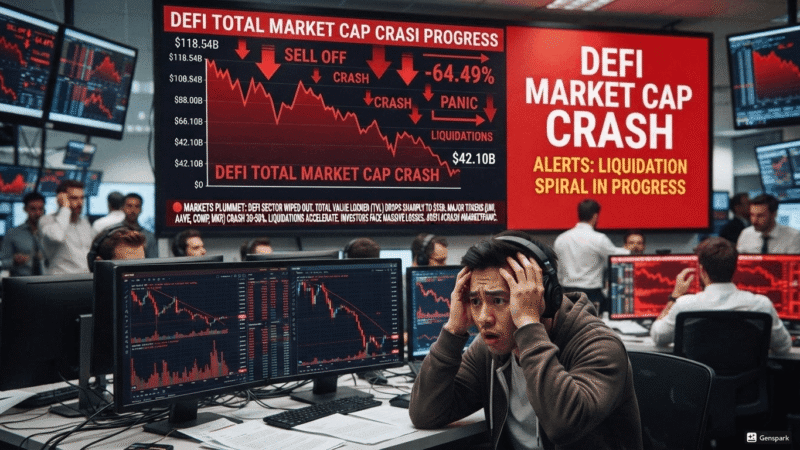
It’s not a small issue. In 2023 alone, blockchain analytics firms estimated that over $2 billion was lost to rug pulls and exit scams. Projects like Squid Game Token and AnubisDAO made headlines for all the wrong reasons, luring in unsuspecting traders before vanishing into the digital abyss.
DeFi rug pulls thrive on anonymity and hype. Anyone with basic coding skills can launch a token and claim to revolutionize finance. Combine that with viral marketing on X (Twitter), Telegram, and Discord—and you have the perfect storm.
The lack of regulatory oversight only adds fuel to the fire. But that’s slowly starting to change.
Why Regulation Matters in DeFi
DeFi’s founding philosophy is simple: remove intermediaries like banks and let users take control. But absolute freedom can be dangerous when mixed with financial incentives and anonymity. Regulation, in this sense, isn’t about stifling innovation—it’s about preventing abuse.
Authorities are realizing that without DeFi rug pull regulations, the industry risks losing credibility. New investors won’t trust DeFi platforms if headlines keep screaming about multimillion-dollar scams.
Just like traditional finance evolved from wild speculation to structured systems, DeFi needs a framework—one that balances innovation and protection.
How Governments Are Responding
Across the world, regulators are attempting to build that framework—each with their own strategy.
United States
The U.S. Securities and Exchange Commission (SEC) has taken a firm stance, arguing that many DeFi tokens are unregistered securities. Projects offering “yield farming” or “staking rewards” may fall under existing securities laws. The Commodity Futures Trading Commission (CFTC) has also pursued cases against decentralized protocols violating derivatives regulations.
However, enforcement is complex. Most DeFi teams are pseudonymous, their servers decentralized, and their operations borderless. Even when the SEC issues penalties, they often only reach a handful of identifiable developers.
European Union
The EU’s Markets in Crypto-Assets (MiCA) regulation aims to create a standardized rulebook for crypto activities, including DeFi. MiCA requires disclosures, whitepapers, and accountability measures for token issuers—steps designed to make rug pulls harder to pull off.
However, DeFi’s decentralized structure poses a problem: who exactly is responsible for compliance when there’s no central entity?
Asia and Beyond
Singapore, South Korea, and Japan have also introduced licensing requirements for crypto exchanges and DeFi platforms. Meanwhile, China’s outright ban on crypto trading has pushed many projects underground, but not eliminated them.
In short, regulation is spreading—but unevenly. And where the law tightens, DeFi often finds a way around.
The Technology Behind the Scams
To understand how DeFi rug pull regulations might help, it’s worth seeing how these scams actually work.
Most rug pulls exploit smart contract design. Developers may:
- Code hidden withdrawal functions.
- Set up liquidity pools where they control most of the tokens.
- Fake audit reports to gain trust.
- Use flash loan attacks to manipulate prices and drain liquidity.
Even when the code is open-source, few investors can actually read it. And many “audits” are superficial, done by firms that don’t thoroughly test the code or verify developer identities.
Regulation could help by requiring independent code audits, verified developer identities, and public transparency of token distribution. But enforcing those standards in a decentralized world? That’s the real challenge.
Can Regulation Truly Stop DeFi Rug Pulls?
Here’s the heart of the issue: DeFi is borderless, permissionless, and open-source. Regulation, on the other hand, is territorial and bureaucratic.
Even if the U.S. bans a protocol, a new one can appear the next day from another country—or even from anonymous wallets with no identifiable owners. It’s like trying to regulate air: you can control some of it, but it will always find gaps to flow through.
Still, regulations can make rug pulls less attractive. If developers know they’ll face consequences, many will think twice. It’s about deterrence, not perfection.
Smart contract platforms could integrate compliance features at the protocol level, such as verifiable developer credentials or blockchain-based registries for approved projects. Think of it as a “blue check” system for DeFi—transparency, not control.
The Case for Self-Regulation
Not all solutions have to come from governments. Many in the crypto community believe self-regulation—via decentralized auditing networks, investor education, and rating systems—could be even more effective.
Projects like CertiK and DeFiSafety already grade DeFi protocols based on transparency, code audits, and team accountability. Some launchpads require Know Your Developer (KYD) verification before listing new tokens. These efforts create a culture of accountability without sacrificing decentralization.
Imagine a world where investors check a project’s safety score as easily as checking a restaurant’s health rating. That kind of behavioral shift could do more to stop rug pulls than any government decree.
Education: The Investor’s Best Shield
Regulation can only do so much. The best defense is still awareness. Understanding the warning signs of a rug pull can save investors from disaster:
- Anonymous teams with no track record.
- Unrealistic promises of 1000% annual returns.
- Lack of verifiable audits.
- Low liquidity or locked smart contracts controlled by one wallet.
- Aggressive marketing with no actual product.
In DeFi, skepticism is your security system. If something feels off, it probably is.
Education initiatives—both from regulators and within the crypto community—are crucial. The more people understand smart contracts, liquidity pools, and tokenomics, the fewer will fall prey to deception.
The Future: Smarter Regulation Meets Smarter Code
The future of DeFi rug pull regulations lies in collaboration. Governments, developers, and investors must work together to build systems that protect users without choking innovation.
Some emerging ideas include:
- RegTech for DeFi: Using blockchain analytics to flag suspicious liquidity movements in real time.
- Smart contract registries: Verified databases of safe, audited contracts.
- On-chain identity solutions: Developers could prove their legitimacy without sacrificing privacy through zero-knowledge proofs.
- Insurance protocols: DeFi-native insurance that compensates users affected by rug pulls or exploits.
Instead of fighting decentralization, regulators may learn to use it—building transparent systems that enforce compliance automatically through code.
Why Balance Is the Key
Overregulation risks pushing innovation underground. Underregulation invites chaos. The sweet spot lies somewhere in between—a balance where freedom and responsibility coexist.
DeFi is still in its teenage years: rebellious, brilliant, and a little reckless. As it matures, the rules will evolve too. The goal isn’t to chain the system but to anchor it just enough so investors don’t get swept away.
Regulations won’t erase all rug pulls overnight. But they can build the foundation for a more trustworthy DeFi ecosystem—one where opportunity doesn’t have to come with fear.
Conclusion
So, are regulations stopping DeFi rug pulls? Not yet—but they’re starting to make a dent. The future lies in combining technology, transparency, and education. Smart laws alone won’t save investors; smarter participation will.
DeFi represents one of the greatest financial revolutions in history, but revolutions need guardrails. The key is not to silence innovation, but to guide it toward sustainability and integrity.
If done right, the next chapter of DeFi won’t just be decentralized—it’ll be dependable.
FAQ
1. What is a DeFi rug pull?
A rug pull is when DeFi project developers suddenly withdraw liquidity or abandon the project, leaving investors with worthless tokens.
2. How do regulations help prevent rug pulls?
Regulations can enforce developer identification, mandatory audits, and financial disclosures to reduce fraud.
3. Can decentralized systems ever be fully regulated?
Not entirely. Decentralized systems are borderless, but smart contract registries and self-regulation can add safety layers.
4. What should investors look for to avoid rug pulls?
Check for team transparency, code audits, liquidity locks, and realistic project goals before investing.
5. Are DeFi rug pull regulations working globally?
Progress varies. The EU, U.S., and parts of Asia are tightening rules, but global enforcement remains inconsistent.