How Artists Are Making Money with NFTs
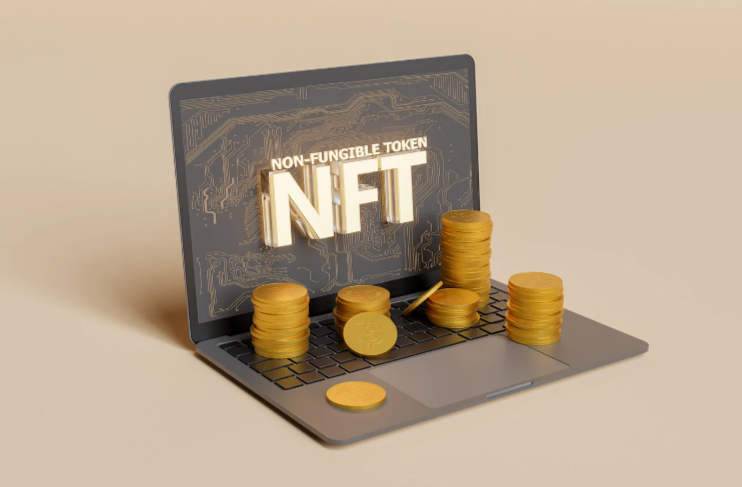
n just a few short years, NFTs (Non-Fungible Tokens) have transformed how artists create, share, and monetize their work. What began as a niche movement in digital art has exploded into a global creative economy — empowering artists to earn directly from their fans without traditional gatekeepers.
From million-dollar digital art auctions to sustainable passive income through royalties, artists making money with NFTs are redefining what it means to be a creator in the digital age.
Let’s explore how NFTs are reshaping the art world and the many ways artists are turning creativity into income.
What Are NFTs and Why Do They Matter?
NFTs are unique digital assets recorded on a blockchain. Unlike traditional cryptocurrencies such as Bitcoin, which are interchangeable, each NFT has distinct metadata that makes it one of a kind.
For artists, NFTs solve one of the biggest challenges in digital art — proving ownership and authenticity. Once an artwork is minted as an NFT, it becomes verifiable and traceable, ensuring that both the creator and the buyer can prove its originality.
This breakthrough has opened entirely new opportunities for artists to monetize their talent.
1. Selling Digital Art as NFTs
The most common way artists make money with NFTs is by selling digital art directly to collectors.
Artists can mint their work — illustrations, 3D designs, photography, or even generative art — on NFT marketplaces such as:
- OpenSea
- Rarible
- Foundation
- SuperRare
Unlike traditional galleries that take 40–50% commissions, NFT platforms allow artists to retain a larger share of profits while connecting directly with buyers worldwide.
For example, digital artist Beeple made headlines by selling an NFT collage for $69 million through Christie’s — proving that digital art can hold massive value.
2. Earning Royalties on Secondary Sales
One of the most revolutionary aspects of NFTs is automatic royalties.
Every time an NFT is resold, the original creator can receive a percentage of that sale — typically 5–10%. This happens automatically through smart contracts coded into the NFT itself.
That means artists earn passive income indefinitely as their work appreciates in value and changes hands between collectors.
Traditional art can’t offer this kind of continuous revenue — once a painting is sold, the artist rarely benefits again. NFTs have changed that forever.
3. Creating Limited Editions and Collections
Scarcity drives value — and artists are capitalizing on this through limited NFT editions.
Instead of selling one piece, artists can release a small series of identical or themed NFTs. For example:
- 10 digital art pieces in a series.
- 100 variations of a collectible design.
- Exclusive artwork drops for community members.
By controlling supply, artists maintain exclusivity and can price their work higher as demand grows.
Projects like Art Blocks and Async Art have shown how curated collections can generate substantial revenue and cultural impact.
4. Collaborations and Brand Partnerships
NFTs have also opened the door for artists to collaborate with brands, musicians, and other creators.
These partnerships can include:
- Designing NFT-based merchandise.
- Creating art for music album covers or metaverse wearables.
- Collaborating with fashion or gaming companies for digital assets.
For instance, artist FEWOCiOUS collaborated with RTFKT Studios to design virtual sneakers that sold for over $3 million in minutes.
Such collaborations combine artistry with storytelling — expanding visibility and income potential.
5. Using NFTs to Fund Creative Projects
Artists are increasingly using NFTs as crowdfunding tools to fund their art.
By selling NFT-based passes, early supporters can:
- Gain exclusive access to future works.
- Receive limited-edition perks.
- Be recognized as early backers of a project.
This approach lets artists bypass traditional funding platforms and connect directly with their most loyal fans — while keeping full creative control.
6. Membership and Access NFTs
NFTs aren’t just about art ownership; they can also grant exclusive access to communities, experiences, and events.
Artists are leveraging membership NFTs to:
- Give fans early access to new artwork.
- Provide behind-the-scenes content or private livestreams.
- Offer exclusive invitations to exhibitions or online meetups.
For example, NFT artist Pak has used access-based NFTs to engage a dedicated collector base, blending art, identity, and community.
7. Selling Music and Audio NFTs
Musicians and sound artists are embracing NFTs to sell exclusive tracks and albums directly to fans.
Through platforms like Sound.xyz, Catalog, or Audius, creators can mint songs as NFTs — giving buyers exclusive ownership or access rights.
NFTs have also enabled royalty-sharing models, where fans can own fractions of a song and earn revenue when it’s streamed or sold.
This gives independent musicians the same financial power as major labels — without intermediaries.
8. Virtual Galleries and Metaverse Exhibitions
Artists are now exhibiting their NFTs in virtual worlds like Decentraland, The Sandbox, and Spatial.io.
These metaverse galleries allow creators to:
- Display NFTs in immersive 3D environments.
- Host live art events or auctions.
- Sell digital art directly within the metaverse.
Collectors can walk through virtual spaces, view art, and purchase NFTs in real time — creating a fusion of art and technology that feels futuristic yet deeply human.
9. Gamified NFTs and Interactive Art
Some creators are taking their art beyond static visuals by using interactive and gamified NFTs.
For example:
- Digital art that evolves or changes over time.
- NFTs that unlock secret content or mini-games.
- Dynamic artworks that respond to blockchain data or viewer interaction.
By merging art with code, these artists create immersive experiences that attract collectors looking for innovation and engagement.
10. Building Community-Driven Ecosystems
NFT success often comes from community, not just creativity.
Artists are building DAO-like ecosystems (Decentralized Autonomous Organizations) where collectors can vote on future releases, influence creative direction, or even co-own assets.
This shared-value model makes collectors part of the journey — increasing loyalty, engagement, and recurring revenue.
Projects like Bored Ape Yacht Club show how strong community foundations can turn simple art into cultural phenomena worth billions.
Alt text: Digital artist showcasing NFT artwork on an online marketplace.
11. The Role of Social Media in NFT Success
Marketing is crucial for NFT sales. Artists use platforms like Twitter, Instagram, Discord, and TikTok to promote new drops, engage with collectors, and build excitement.
A successful NFT artist isn’t just creative — they’re also strategic, using storytelling, teasers, and collaborations to drive attention before launches.
Social media presence often determines visibility in a crowded NFT marketplace.
12. Overcoming Challenges in the NFT Space
Despite opportunities, artists making money with NFTs also face challenges:
- High minting fees on some blockchains.
- Market volatility that affects NFT prices.
- Copyright issues when digital art is copied or misused.
- Environmental concerns around blockchain energy use.
Successful artists navigate these by choosing sustainable platforms, using lazy minting, and protecting intellectual property through verification tools.
13. How to Get Started as an NFT Artist
If you’re an artist looking to explore NFTs:
- Choose a blockchain (Ethereum, Polygon, Solana, or Tezos).
- Set up a wallet like MetaMask or Phantom.
- Pick a marketplace (OpenSea, Rarible, Foundation).
- Create and mint your digital art.
- Engage your audience and promote your drops.
Consistency, transparency, and community engagement are key to long-term success.
14. The Future of Artists and NFTs
NFTs represent more than a passing trend — they mark a permanent shift in creative ownership.
As the technology evolves, we’ll see:
- More real-world integration with physical art.
- AI-generated NFTs pushing creative boundaries.
- Expanded creator royalties through smart contracts.
- Metaverse art economies blending digital and physical exhibitions.
For artists, NFTs are not just a way to make money — they’re a new language of artistic expression.
Conclusion: The Power Shift to Creators
NFTs have done something unprecedented — they’ve returned power, profit, and recognition to creators.
Through NFT minting, royalties, and community engagement, artists now have full control over how their work is shared and valued.
The world of art is no longer limited by galleries, agents, or borders. With NFTs, creativity truly knows no bounds — and artists are finally being rewarded for the digital masterpieces they’ve always deserved recognition for.
FAQ
1. How do artists make money with NFTs?
They earn from primary sales, royalties on resales, collaborations, and exclusive access-based NFT projects.
2. Do artists need coding skills to mint NFTs?
No. Most NFT platforms provide simple minting tools requiring no technical knowledge.
3. Can traditional artists sell NFTs?
Yes. Painters, photographers, and sculptors can digitize their work and mint NFTs.
4. Are NFT royalties guaranteed?
Yes, royalties are embedded in the smart contract and triggered automatically during resale.
5. What’s the future of NFTs for artists?
NFTs will continue evolving toward eco-friendly systems, hybrid physical-digital art, and deeper creator–collector collaborations.