Liquidity Pool Rug Pull Scams Every Investor Should Know
Introduction: The Dark Side of DeFi
Decentralized finance, or DeFi, promises freedom, transparency, and high returns. Yet, like a glittering treasure chest, it can hide traps beneath the surface. One of the most notorious dangers is the liquidity pool rug pull scam. In this article, we’ll break down how these scams work, the red flags to look for, and how you can protect your hard-earned investments.
What Are Liquidity Pools in DeFi?
Liquidity pools are collections of tokens locked in a smart contract. They allow traders to buy and sell assets without a traditional exchange. Investors provide funds to these pools and earn rewards through trading fees or yield farming.
How Rug Pull Scams Work in Liquidity Pools
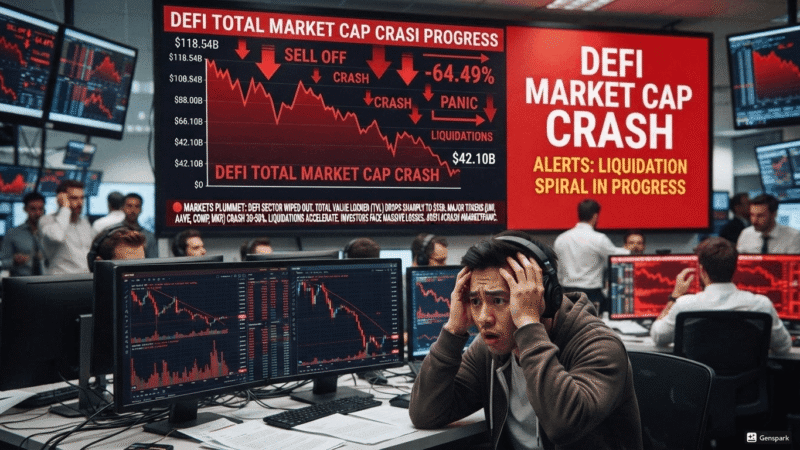
In a rug pull, developers lure investors to deposit funds into a liquidity pool. Once enough liquidity builds up, they withdraw everything, leaving investors with worthless tokens. Imagine pulling a rug out from under someone’s feet—that’s exactly what happens.
Why Rug Pulls Are So Common
Rug pulls thrive in DeFi because:
- Anyone can launch a token.
- Smart contracts may be unaudited.
- Hype drives rapid investment.
- Regulation is still weak.
These factors create a playground for bad actors.
Types of Liquidity Pool Rug Pull Scams
There are different flavors of rug pulls. Knowing them helps you spot danger:
Exit Scams
Developers vanish after draining the pool, shutting down websites and social channels.
Token Dumping
Developers mint massive amounts of tokens and sell them, crashing the price.
Backdoor Code Exploits
Smart contracts are coded with hidden functions that let creators siphon liquidity at will.
Case Study: SushiSwap Clone Scams
Several projects cloned SushiSwap’s model but lacked security. Developers drained liquidity after hype-driven launches, teaching investors a costly lesson about due diligence.
Red Flags of Liquidity Pool Rug Pull Scams
You can protect yourself by spotting these signs:
- Anonymous teams with no track record.
- No smart contract audits from reputable firms.
- Unrealistic promises of huge returns.
- Low liquidity lock periods or no lock at all.
- Centralized token control, with most supply in developer wallets.
The Role of Tokenomics in Rug Pulls
Tokenomics can reveal hidden dangers. For example, if a project gives most tokens to developers, they can crash the market. Proper token distribution is a key safeguard.
How Smart Contracts Impact Trust
Smart contracts are the backbone of DeFi. When unaudited, they can contain hidden functions designed for theft. Audited contracts reduce the risk, but even then, investors should remain cautious.
Liquidity Locking: A Safety Measure
Legitimate projects often lock liquidity for months or years. This prevents developers from draining the pool too soon. Without a lock, rug pulls become far easier.
The Psychology Behind Rug Pull Scams
Why do people fall for them? Greed and FOMO (fear of missing out) often cloud judgment. Scammers exploit hype, flashy marketing, and promises of “the next big thing.”
How to Research Before Investing
Before putting money into a liquidity pool, ask yourself:
- Who are the developers?
- Is the project audited?
- How is the token supply distributed?
- Is liquidity locked and for how long?
Due diligence is your best defense.
Tools That Help Spot Rug Pull Risks
Investors can use tools to check project legitimacy:
- DeFi Pulse for analytics.
- Etherscan for token contract details.
- Token Sniffer for scam detection.
- CertiK for audit verification.
Regulation and the Future of DeFi Safety
As rug pulls become more frequent, regulators are stepping in. Stricter frameworks could help protect investors, but DeFi’s decentralized nature makes enforcement complex.
Steps to Protect Yourself from Rug Pulls
Here’s how to avoid being caught in a rug pull:
- Never invest more than you can afford to lose.
- Research teams and audits thoroughly.
- Diversify across multiple projects.
- Watch liquidity lock details.
- Stay skeptical of guaranteed profits.
Conclusion: Stay Alert in DeFi
Liquidity pool rug pull scams remind us that not everything glittering in DeFi is gold. While opportunities exist, so do risks. With the right knowledge, careful research, and a skeptical eye, you can enjoy the rewards of DeFi without falling victim to fraud.
FAQ
1. What is a liquidity pool rug pull scam?
It’s when developers drain all funds from a liquidity pool, leaving investors with worthless tokens.
2. How can I spot a potential rug pull?
Look for red flags like anonymous teams, no audits, unrealistic promises, and no liquidity lock.
3. Are audited projects always safe?
No, but audits reduce risks by detecting vulnerabilities in smart contracts.
4. Why do people fall for rug pulls?
Greed, hype, and FOMO often drive investors to act before doing proper research.
5. How can I protect my crypto from scams?
Diversify, research projects thoroughly, check liquidity locks, and avoid “too good to be true” returns.