Understanding the High Risk of DeFi Hacks and Rug Pulls
Introduction: The Dark Side of DeFi
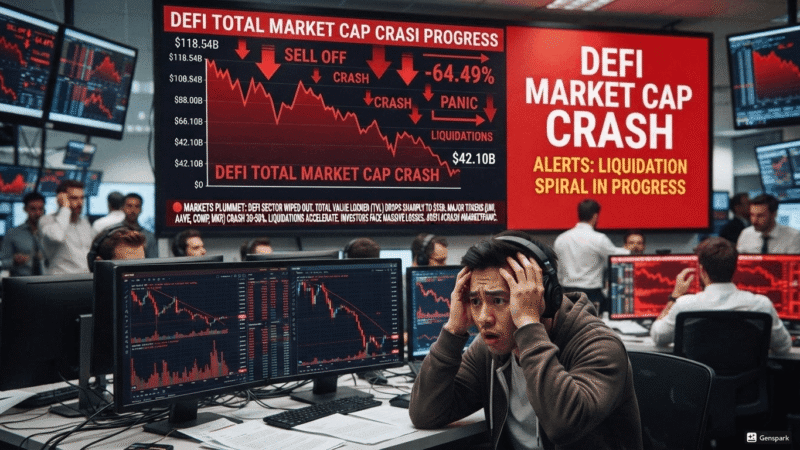
Decentralized Finance, or DeFi, is often described as the Wild West of crypto. On one hand, it offers freedom, innovation, and huge earning potential. On the other hand, the risk of DeFi hacks and rug pulls threatens every investor. If you’ve ever wondered why projects collapse overnight or how millions vanish from platforms, this guide will explain the risks — and how to protect yourself.
What Is DeFi?
DeFi uses blockchain technology to remove banks and middlemen from financial transactions. It allows peer-to-peer lending, staking, yield farming, and token swaps. But with this freedom comes responsibility. Without traditional oversight, risks multiply.
What Are Rug Pulls in DeFi?
A rug pull happens when project developers drain funds and disappear. They lure investors with promises of high returns, then vanish, leaving worthless tokens behind. Rug pulls are among the most damaging scams in DeFi.
How DeFi Hacks Differ From Rug Pulls
- Hacks: External attackers exploit vulnerabilities in smart contracts.
- Rug Pulls: Insiders or developers intentionally steal from investors.
Both destroy trust, but hacks exploit flaws while rug pulls exploit greed.
Why the Risk of DeFi Hacks Is So High
The risk comes from several factors:
- Open-source smart contracts vulnerable to errors
- Rapid launches without security audits
- Anonymous developers with no accountability
- Overhyped returns attracting inexperienced investors
Together, these create a playground for hackers and scammers.
Common Types of DeFi Hacks
- Flash Loan Attacks: Borrow huge sums instantly to manipulate prices.
- Smart Contract Exploits: Bugs or coding errors give attackers an entry point.
- Oracle Manipulation: Hackers trick data sources feeding DeFi apps.
- Liquidity Pool Drains: Exploiting vulnerabilities to empty funds.
Each method takes advantage of weaknesses in the system.
Examples of Major DeFi Hacks
- Poly Network (2021): Over $600 million stolen in one of the biggest hacks.
- Cream Finance (2021): Lost $130 million from a flash loan exploit.
- Euler Finance (2023): Hackers drained $197 million through smart contract manipulation.
These incidents highlight the scale of risk in DeFi.
Examples of Rug Pulls in DeFi
- Squid Game Token (2021): Developers ran off with $3.3 million.
- AnubisDAO: Disappeared overnight, taking $60 million from investors.
- Meerkat Finance: Initially “hacked,” but later revealed as a rug pull worth $31 million.
Each example shows how greed and deception thrive in unregulated markets.
Warning Signs of Rug Pulls
- Anonymous teams with no track record
- Overly complex promises of sky-high returns
- No security audits or vague documentation
- Locked liquidity missing or unclear
- Heavy promotion without clear utility
Spotting these red flags can save you from financial loss.
How Smart Contracts Contribute to DeFi Risks
Smart contracts power DeFi platforms, but they aren’t foolproof. Once deployed, code cannot be changed easily. A single bug can open the door to massive losses. Unlike banks, there’s no customer support to fix mistakes.
The Role of FOMO in DeFi Hacks and Rug Pulls
Fear of missing out pushes investors to rush in without research. This emotional reaction creates perfect conditions for scammers. If it looks too good to be true, it probably is.
How Lack of Regulation Increases DeFi Risks
Traditional finance has regulators to enforce rules. DeFi operates outside these systems. While this means more freedom, it also means no safety nets when projects collapse or hacks occur.
Protecting Yourself Against DeFi Hacks
- Research projects thoroughly before investing
- Check if smart contracts are audited by trusted firms
- Avoid platforms promising unrealistic rewards
- Diversify instead of putting all funds in one pool
- Use hardware wallets for safer storage
Prevention is the strongest protection in DeFi.
Protecting Yourself Against Rug Pulls
- Investigate the team’s background and credibility
- Verify liquidity locks and token distribution
- Watch for transparent communication and roadmaps
- Be wary of hype-driven launches
- Start small before committing large amounts
Caution helps minimize exposure to scams.
The Importance of Security Audits
Audits from reputable firms like CertiK or Quantstamp improve trust. While not perfect, audits reduce risks by identifying vulnerabilities. Always check if a DeFi project is audited before investing.
Future Outlook: Can DeFi Reduce Hacks and Rug Pulls?
DeFi is maturing. Stronger auditing, better coding standards, and community vigilance will reduce risks over time. However, as long as money flows in, hackers and scammers will follow. Education remains the best defense.
Conclusion: Balancing Opportunity and Risk
The risk of DeFi hacks and rug pulls is real and unavoidable. DeFi offers incredible opportunities, but investors must balance excitement with caution. By learning how scams work, spotting warning signs, and practicing safe strategies, you can explore DeFi while protecting your assets. Remember, in crypto, knowledge is your shield.
FAQ
1. What are rug pulls in DeFi?
They occur when developers abandon a project and run away with investor funds.
2. How do DeFi hacks happen?
Hackers exploit smart contract vulnerabilities, flash loans, or data manipulation.
3. Can audits prevent DeFi hacks?
Audits reduce risks but cannot guarantee total security.
4. What’s the difference between hacks and rug pulls?
Hacks are external attacks; rug pulls are insider scams.
5. How can I protect myself from DeFi risks?
Research, diversify, and only invest what you can afford to lose.