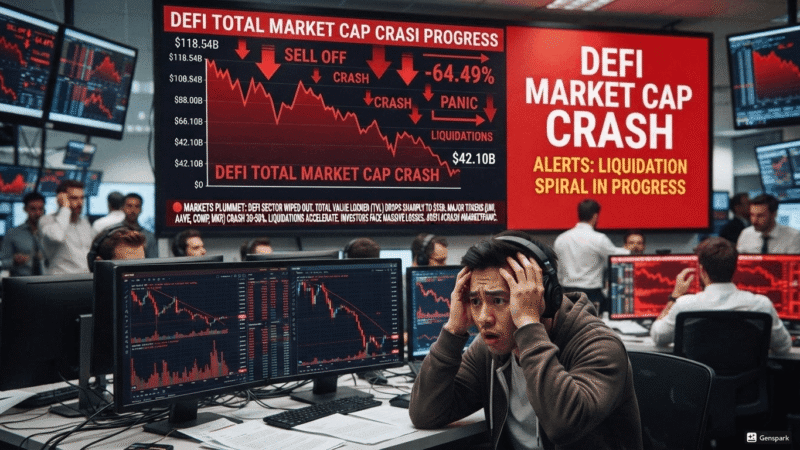
Tokenomics Risks in Yield Farming Explained
Introduction: Why Tokenomics Matters in Yield Farming
Yield farming promises sky-high rewards. But behind the glitter of DeFi lies a hidden risk: tokenomics. When poorly designed, tokenomics risks in yield farming can wipe out investor gains, destabilize platforms, and even collapse entire ecosystems. Let’s unpack these risks so you can farm smarter, not harder.
What Is Yield Farming?
Yield farming is a DeFi strategy where users lock tokens in liquidity pools to earn rewards. Think of it as depositing money in a bank, but instead of interest, you earn new tokens. While lucrative, it’s fueled by tokenomics — the rules that govern how tokens are created, distributed, and managed.
The Role of Tokenomics in Yield Farming
Tokenomics determines reward rates, token supply, and governance. If tokenomics is strong, yield farming platforms thrive. If weak, investors face inflation, manipulation, or sudden collapse. Simply put, tokenomics is the engine that drives farming sustainability.
Common Tokenomics Risks in Yield Farming
- Overinflation of reward tokens
- Liquidity withdrawal (“rug pulls”)
- Poor distribution favoring insiders
- High dependency on speculation
- Lack of governance transparency
Understanding these risks helps you avoid traps.
Overinflation: The Silent Killer
Many yield farms print tokens endlessly to reward users. While attractive at first, this overinflation crashes token value. It’s like printing too much money — rewards exist, but their worth quickly disappears.
Liquidity Risks and Rug Pulls
Liquidity is the lifeblood of yield farming. If tokenomics fails to lock liquidity or incentivize long-term holders, developers or whales can pull funds. This rug pull leaves small investors with worthless tokens.
Poor Token Distribution Models
When insiders hold too many tokens, they gain unfair control. These investors can dump tokens on the market, tanking prices. Fair distribution is essential for investor confidence and project health.
Speculation vs. Real Utility
Some tokens rely solely on speculation. Without real-world use, their value collapses once hype fades. Sustainable yield farming requires tokens with utility, not just promises of quick profit.
The Impact of Vesting Schedules on Risks
Vesting schedules control when team or investor tokens are released. Poorly planned schedules can flood the market, causing sudden crashes. Transparent, gradual vesting reduces this risk.
Governance Risks in Yield Farming
Governance tokens often decide critical changes. If tokenomics gives too much voting power to whales, governance becomes centralized. This creates imbalances, leaving small investors powerless.
Case Study: Tokenomics Risks in DeFi Collapses
- Iron Finance (2021): Token supply spiraled, causing a “death spiral.”
- Yam Finance (2020): Faulty tokenomics and governance led to collapse.
- SafeMoon: Heavy insider control and weak liquidity raised red flags.
Each case shows how tokenomics risks can ruin yield farming platforms.
Staking Rewards and Sustainability Risks
Yield farms often offer high staking rewards. But if rewards aren’t backed by strong economics, sustainability suffers. Projects collapse once reward tokens lose value.
Exit Liquidity and Investor Losses
New investors often fund rewards for older ones. Without sustainable tokenomics, yield farming turns into a Ponzi-like system where late entrants carry losses.
How Token Burns Affect Yield Farming
Some projects burn tokens to reduce supply. While burns create scarcity, they can also choke liquidity. Poorly designed burn models weaken yield farming instead of strengthening it.
Regulatory Risks Tied to Tokenomics
Governments are increasingly watching DeFi. Tokenomics that resemble securities can attract legal scrutiny. Regulatory crackdowns add another layer of risk for investors.
Investor Strategies to Avoid Tokenomics Risks
- Study supply caps and inflation models
- Review whitepapers for clear tokenomics design
- Check liquidity locks and vesting schedules
- Avoid projects with vague governance structures
- Focus on platforms with real token utility
Future of Tokenomics in Yield Farming
The next generation of yield farming projects must build sustainable tokenomics. Expect more controlled supply models, stronger governance systems, and hybrid reward structures that balance growth with stability.
Conclusion: Tokenomics Risks Define Success or Failure
Tokenomics risks in yield farming aren’t just technical details. They decide whether a project thrives or fails. For investors, understanding these risks is crucial. Strong tokenomics offers long-term stability, while weak designs lead to collapse. The takeaway? Always study tokenomics before farming.
FAQ
1. What are tokenomics risks in yield farming?
They are risks linked to poor token design, supply, and distribution that can crash farming platforms.
2. Why is inflation dangerous in yield farming?
Because endless reward tokens dilute value, making rewards worthless over time.
3. How can investors avoid rug pulls?
By checking if liquidity is locked and reviewing project transparency.
4. Do all yield farms face tokenomics risks?
Yes, but risks vary. Strong tokenomics reduces danger, while weak models increase it.
5. What should I check before yield farming?
Examine token supply, utility, governance, and distribution to ensure sustainability.